
Xeriant's NexBoard wins Class A fire rating in construction push
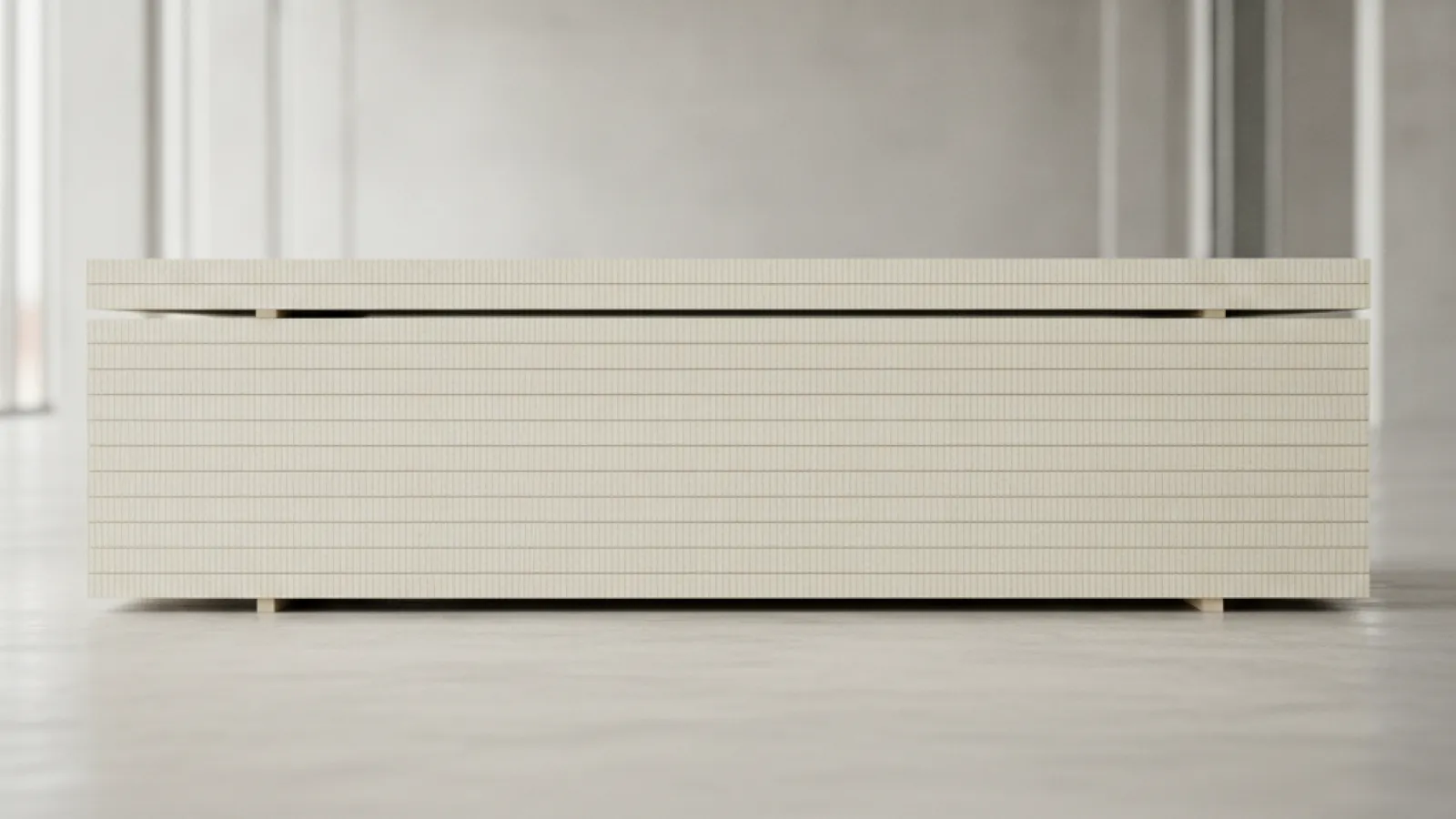
Xeriant, the Boca Raton-based advanced-materials company listed on the OTCQB exchange (XERI), says its NexBoard™ composite construction panel has passed the ASTM E84 Steiner Tunnel Test at Class A — the highest classification available under the standard. The certification, which measures flame spread and smoke development across a material's surface, is a commercial prerequisite in many US building codes and a routine threshold demanded by insurers, architects, and municipal regulators before a novel panel product can be specified on a project. For Xeriant, which says it has been accumulating a "commercialisation backlog" of prospective customers waiting for third-party validation, the result is presented as a gate-opening moment.
NexBoard is manufactured from recycled plastic and fibre waste and is engineered as a multi-hazard alternative to conventional drywall, plywood, oriented-strand board (OSB), and magnesium-oxide board. Beyond fire resistance, the product is designed to resist water ingress, mould, insects, and environmental degradation — a combination the company says positions it well for modular and prefabricated construction methods, where panels are exposed to weather during assembly and must perform across varied climatic conditions.
A crowded race for the next-generation panel
Xeriant is not alone in pursuing the replacement-for-drywall prize. The conventional gypsum-board market is a multi-billion-dollar global commodity, and the field of composite and fibre-cement alternatives has attracted both venture-backed start-ups and large building-products conglomerates. James Hardie, Nichiha, and a cohort of newer entrants have built significant positions in exterior cladding; the interior panel and fire-rated substrate segment is less consolidated, which is precisely where small-cap innovators such as Xeriant are attempting to insert themselves. The Class A ASTM E84 result is a necessary, though not sufficient, competitive credential in that race: the company notes that additional building-materials certifications are under way as part of a broader testing programme.
CEO Keith Duffy framed the milestone in explicitly commercial terms: "This achievement will help unlock our commercialisation backlog that have been awaiting third-party certification and validation before advancing toward purchase orders."
Cross-sector read-across: where materials science meets climate risk and insurance capital
The strategic context here stretches well beyond a single product certification. The intersection of advanced materials, climate-resilient construction, and the insurance industry's accelerating reassessment of wildfire and flood risk is quietly becoming one of the more consequential convergence plays in the built environment. US insurers — several of which have withdrawn from California and Florida markets entirely — are beginning to price structural resilience directly into underwriting models, creating a financial incentive for builders to specify fire- and moisture-resistant panel products rather than conventional drywall or plywood. That dynamic, if it hardens into underwriting standards, could create a pull-through demand signal that commodity materials cannot easily satisfy.
Modular and prefabricated construction — sectors drawing meaningful investment from both private equity and sovereign-backed infrastructure funds seeking to address housing supply deficits — adds a second tailwind. Prefab builders are structurally motivated to standardise on high-performance panels that reduce on-site rework and warranty claims, and the multi-hazard specification of a product like NexBoard (fire, moisture, pest resistance in a single substrate) fits that procurement logic. Whether Xeriant, a micro-cap still trading over the counter, can scale manufacturing and distribution to meet that opportunity is the unanswered strategic question the certification alone cannot resolve.
For cross-sector investors tracking the built-environment convergence — where climate science, insurance capital re-pricing, and industrial materials innovation are colliding — the NexBoard certification is a data point worth monitoring, even if the company's current scale makes it a speculative rather than institutional position. The more substantive signal will come when Xeriant converts its stated backlog into disclosed purchase-order volumes and advances through the remaining certifications in its testing programme.