
UNDP and TAILG team up to electrify Africa's two-wheeler market
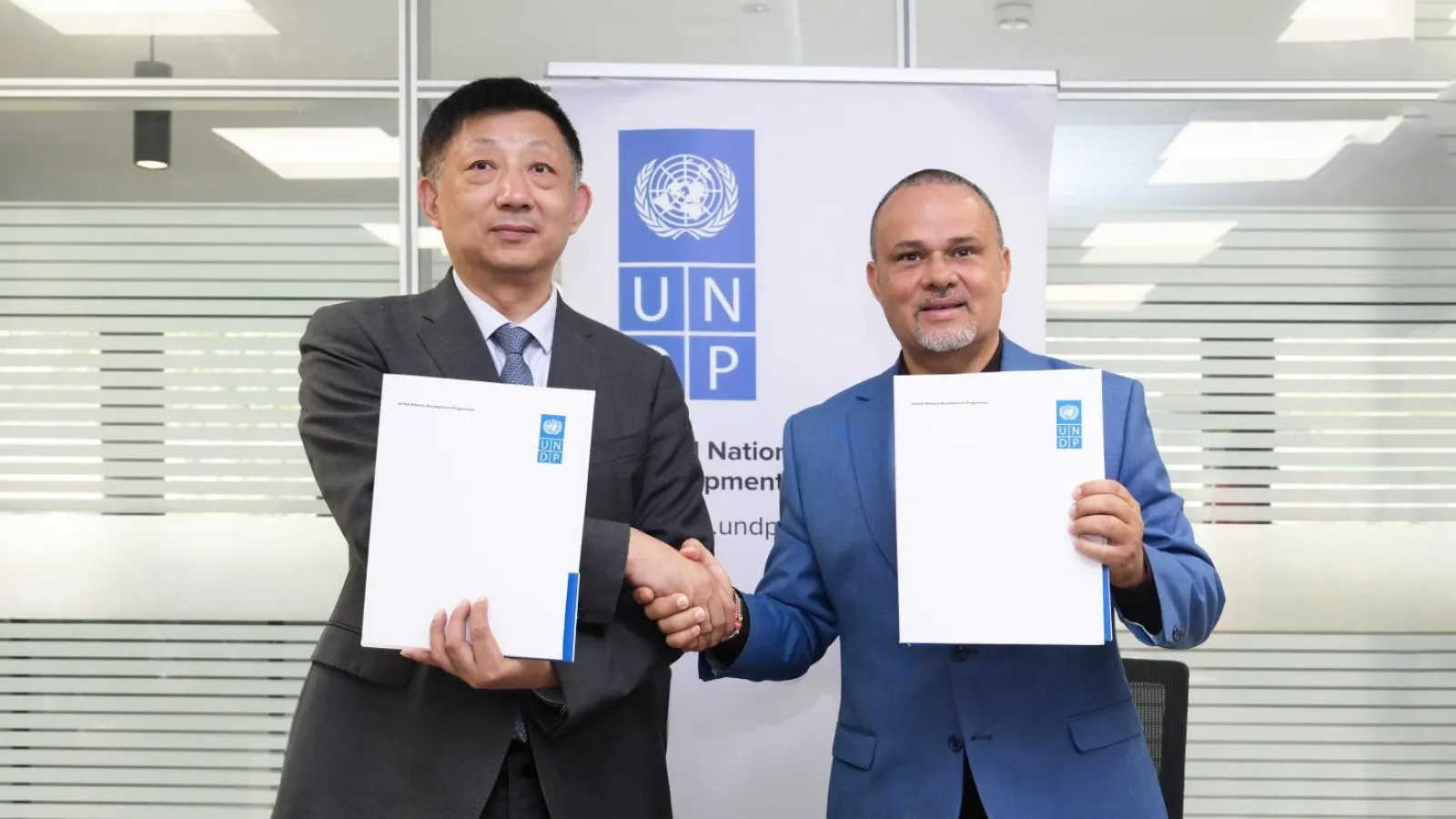
TAILG, a Chinese electric mobility manufacturer with annual production exceeding 15 million units, has signed a Memorandum of Understanding with the United Nations Development Programme (UNDP) in Nairobi, launching an initiative called "Green Ride Africa." The partnership establishes a Green Mobility Centre of Excellence (GM-CoE) designed to accelerate the transition from petrol-powered to electric two- and three-wheeled vehicles across the African continent, integrating local solar generation and battery storage infrastructure into the charging network.
The deal formalises what TAILG describes as a full-chain cooperation framework spanning strategic guidance, technology transfer, innovation incubation, and commercial deployment. It builds on TAILG's existing seven-year relationship with the UN Environment Programme and positions the company as the primary corporate partner in the UNDP's broader green mobility programme. TAILG's strategic partner Sunwoda Depower Energy will supply batteries and energy storage systems, and the two companies say they will jointly develop standards for integrated solar-storage-charging-and-swapping solutions, battery recycling, and battery passports.
Why Africa's two-wheeler market matters
Two- and three-wheeled vehicles are the dominant mode of commercial and personal transport across large parts of sub-Saharan Africa, making them a materially different electrification target from the passenger-car focus that consumes most Western EV policy attention. Displacing petrol in this segment is, in emissions terms, high-leverage: the vehicles are numerous, operate at low speeds suited to current battery energy densities, and are used intensively for last-mile freight and ride-hailing. The GM-CoE will run innovation challenges, startup incubation programmes, and pilot validation exercises to adapt TAILG's existing product range, which reaches more than 70 countries, to local road, climate, and affordability conditions.
TAILG President Michael Yao stated: "Innovative development in green transportation must always adhere to the three principles of practicality, inclusivity, and localization."
The release does not disclose funding quantum, grant structures, or revenue projections for the initiative, which limits the ability to assess the capital commitment behind the MOU at this stage.
The convergence angle: Chinese green-tech, multilateral legitimacy, and African infrastructure capital
The TAILG-UNDP partnership sits at the intersection of several macro-level shifts worth tracking across sectors. First, it is a clear instance of Chinese industrial players using multilateral UN frameworks to establish green-economy footholds in emerging markets, a strategy that runs parallel to Belt and Road infrastructure plays but is now being executed through sustainability-credentialled vehicles rather than sovereign lending.
Second, the solar-storage-charging-swapping stack embedded in the initiative is not merely a transport story. It is an energy infrastructure build: each charging and battery-swap station represents a distributed energy asset, potentially feeding into broader grid-resilience and off-grid electrification programmes. For investors tracking African energy infrastructure, the mobility layer is a Trojan horse for distributed power assets, and that convergence is where the more interesting capital story will eventually sit.
Third, the battery-passport standard that Sunwoda Depower Energy intends to develop alongside TAILG has regulatory read-across beyond Africa. The European Union's Battery Regulation, which mandates lifecycle data passports for EV batteries sold into the EU, is already reshaping supply-chain data infrastructure globally. A Chinese manufacturer building to passport standards in Africa may be positioning for eventual EU market access as much as for African regulatory compliance, a dual-use standards play that cross-sector investors in both transportation and sustainability-linked finance should note.
The immediate next milestone to watch is whether the GM-CoE moves from MOU to a funded pilot with disclosed capital commitments, and which African Development Bank or multilateral climate-finance mechanisms are drawn in alongside UNDP.