
Fasset lists UAE dirham stablecoin as dollar alternatives gain ground
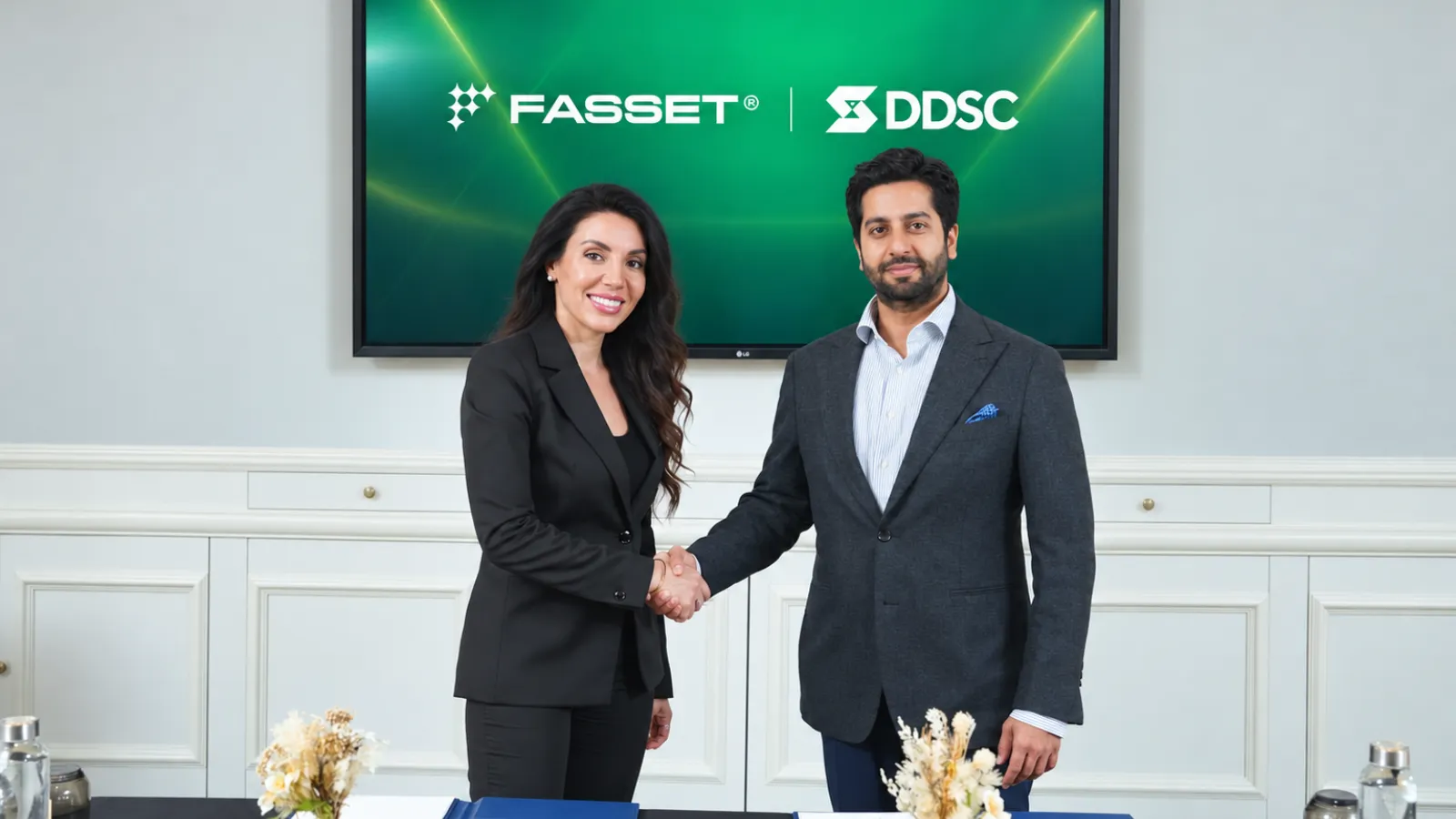
Fasset, the Dubai-headquartered stablecoin neobanking platform, has become the first entity regulated by Dubai's Virtual Assets Regulatory Authority (VARA) to list DDSC, the UAE's dirham-backed payment token. The move puts a Central Bank of the UAE-licensed digital currency into the hands of retail and merchant users for the first time, via a platform that processes USD 40 billion in annual transaction volume across more than three million wallets in 125 countries.
The listing is conditional on VARA's formal approval of DDSC and is subject to a phased rollout. Once live, users will be able to hold, swap and convert DDSC against major dollar-pegged stablecoins including USDC and USDT. Longer-term, Fasset and DDSC are exploring joint card issuance, merchant payment acceptance and fiat on- and off-ramp infrastructure that would let users move instantly between dirhams and the digital token.
A sovereign digital-finance stack takes shape
DDSC is not a privately issued stablecoin. It is a 1:1 AED-backed payment token launched by a consortium of IHC, First Abu Dhabi Bank (FAB) and Sirius International Holding, running on ADI Chain, an institutional Layer-2 blockchain developed by the Abu Dhabi-based ADI Foundation. The Central Bank of the UAE granted approval for DDSC to go live in February 2026, and in July 2026 it issued a No Objection Certificate permitting distribution through VARA-regulated platforms. Over AED 150 million (approximately USD 40.8 million) has already been transacted across the network since launch. ADI Chain has attracted collaborations with Mastercard, BlackRock, Franklin Templeton and Chainlink, giving the underlying rail institutional credibility that few sovereign digital-currency projects have assembled this quickly.
"For a stablecoin to matter in people's daily lives, it has to be trusted, regulated, and easy to use, and DDSC delivers on all three," said Mohammad Raafi Hossain, Co-Founder and CEO of Fasset. "Our shared ambition is to make DDSC something people can spend, accept, and convert as easily as cash, through cards, merchants, and seamless on- and off-ramps across the UAE."
The macro context: dollar dominance under pressure
Timing matters here. The global stablecoin market now exceeds USD 310 billion in circulation, but it remains overwhelmingly denominated in dollars, with Tether's USDT and Circle's USDC commanding the vast majority of that supply. The release notes that dollar-backed stablecoins have retreated by roughly USD 10 billion from their May 2026 peak, a contraction that sharpens the strategic case for sovereign, non-dollar alternatives.
DDSC is one of the first central-bank-approved stablecoins pegged to a non-dollar currency to reach retail distribution at any meaningful scale. That positions it as an early real-world test of whether currency diversity in digital payments can move beyond academic discussion and into everyday commerce. The UAE's simultaneous role as a capital hub, a trade corridor between Asia and Europe, and an increasingly assertive architect of its own financial infrastructure makes this more than a local experiment.
For cross-sector investors, the convergence angle is layered. The underlying ADI Chain already connects institutional names across asset management, payments and blockchain infrastructure. A dirham-denominated settlement rail that scales through a unicorn-status neobank could meaningfully reduce friction for Gulf-denominated trade finance, sovereign wealth deployment into tokenised real-world assets, and cross-border remittance corridors that currently route through dollar intermediaries. Fasset itself reached unicorn status following a USD 68 million Series C led by Japan's SBI Holdings, suggesting that institutional capital is already pricing in the regional growth opportunity.
Regulatory regimes elsewhere are watching. The EU's MiCA framework, US stablecoin legislation still moving through Congress, and the UK's Payment Services consultation are all grappling with the same question DDSC is beginning to answer in practice: can a non-dollar sovereign stablecoin earn the operational trust of merchants, consumers and institutions simultaneously? The UAE's willingness to move faster than Western regulators may prove its most durable competitive advantage in this race.