
LiqTech wins China vessel order as marine emissions rules tighten
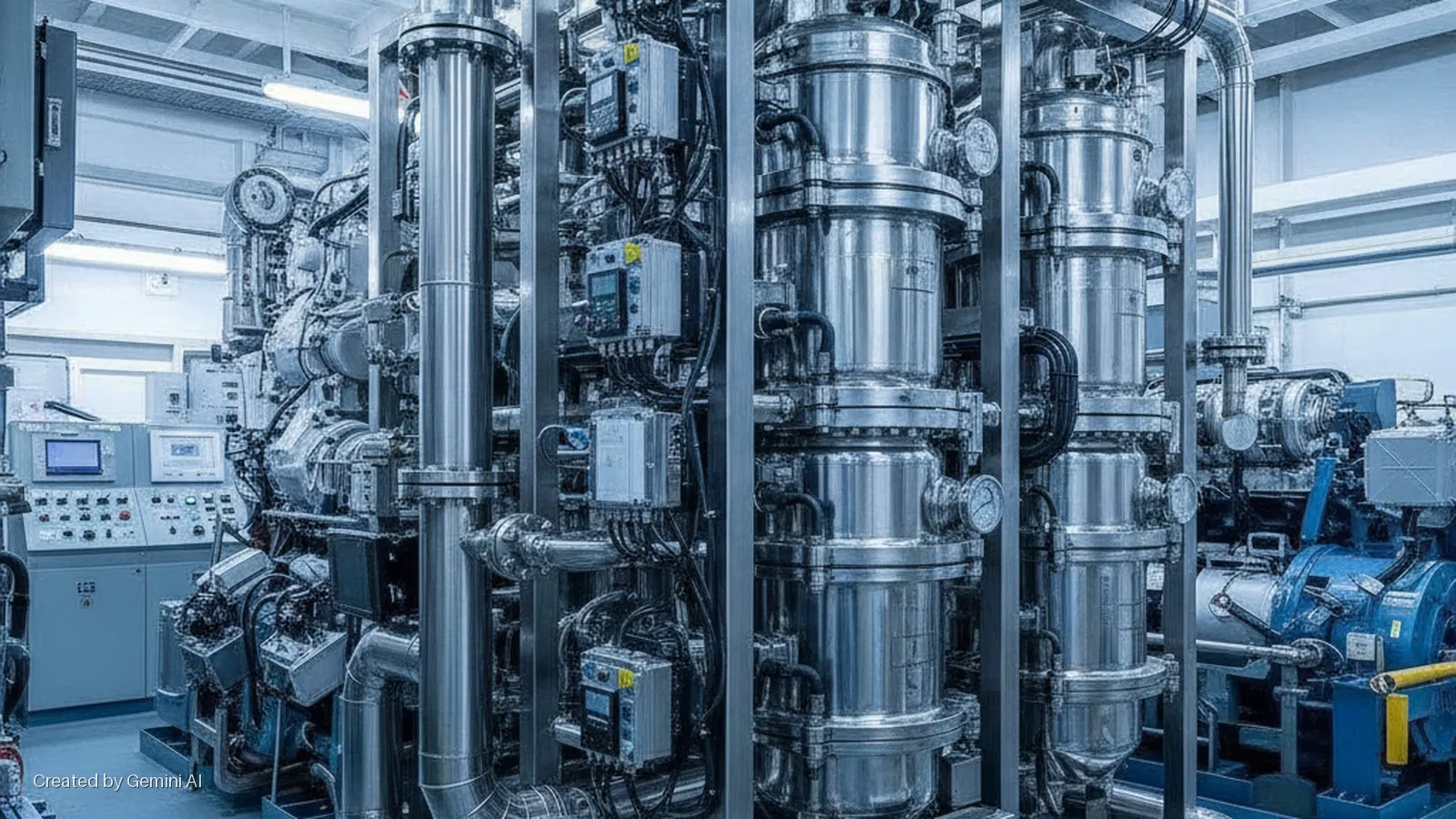
LiqTech International, the Danish-headquartered clean technology firm listed on Nasdaq (LIQT), has secured a commercial order for four marine water treatment systems destined for vessels using Exhaust Gas Recirculation (EGR) engine technology in China. The first unit is scheduled for delivery in Q4 2026, adding to a run of orders the company's Chinese joint venture has fulfilled over the past six months for ships using a competing emissions-reduction platform, iCER.
The announcement is modest in scale on its own terms. But it points to a structural shift underway in commercial shipping: next-generation vessel propulsion, whether EGR, iCER, or dual-fuel, generates contaminated water streams that cannot be discharged untreated under tightening international maritime rules. That creates a durable, repeating hardware requirement that is proving increasingly difficult for shipowners to defer.
Silicon Carbide Moves Across Platforms
LiqTech's competitive position rests on its patented silicon carbide (SiC) membrane technology, which the company argues handles the chemically aggressive outputs of emissions-reduction engines better than conventional polymer filtration. With commercial orders now validated across both iCER and EGR engine platforms, the company is positioning its filtration stack as platform-agnostic, a meaningful commercial argument at a moment when shipowners are still deciding which propulsion pathway to back.
The company reports more than 170 marine scrubber installations worldwide, giving it an installed-base data advantage over newer entrants to maritime filtration. Fei Chen, CEO and President of LiqTech, said the orders signal that the company's technology "is increasingly being recognised as a preferred water treatment solution for next-generation marine vessels." The framing reflects genuine commercial traction, though the absolute scale of four units warrants sober expectations about near-term revenue contribution.
The Macro Currents Behind the Order
The broader context matters more to the cross-sector investor than the unit count. The International Maritime Organization's 2020 sulphur cap and its evolving Carbon Intensity Indicator regime have turned emissions compliance from a discretionary upgrade into a legal and operational necessity for shipowners operating on major global trade routes. China, as the world's largest shipbuilding nation by output, is simultaneously a primary customer market and a manufacturing hub, a convergence that makes LiqTech's joint-venture structure in the country strategically logical.
For capital allocators watching the clean-infrastructure space, marine emissions technology sits at an under-scrutinised intersection of industrial hardware, environmental regulation, and trade-route economics. The shipping sector accounts for roughly 2.5% of global greenhouse gas emissions by some estimates, and the compliance capex cycle it is now entering has attracted specialist infrastructure investors alongside traditional maritime finance. LiqTech is a small-cap player in this field, but the order pattern it is establishing, multiple platforms, multiple Chinese customers, delivery cadence into late 2026, is the kind of commercial proof of concept that precedes larger institutional interest.
The longer read-across touches the energy transition's hardware layer more broadly. As dual-fuel and alternative-propulsion vessels proliferate, the ancillary systems market, filtration, monitoring, water treatment, grows proportionally. That market has historically attracted less investor attention than the headline propulsion technologies, yet it carries lower technology risk and more predictable replacement cycles. For industrial-tech investors scanning adjacencies to the energy transition, maritime water treatment may be worth a second look.
LiqTech has not disclosed the financial value of the EGR order. The company's forward trajectory in this segment will depend on how quickly Chinese and European shipowners commit to next-generation engine platforms and whether tightening IMO enforcement accelerates that timeline.