
Allied Biofuels and Sinopec sign $6.1bn SAF deal in Uzbekistan
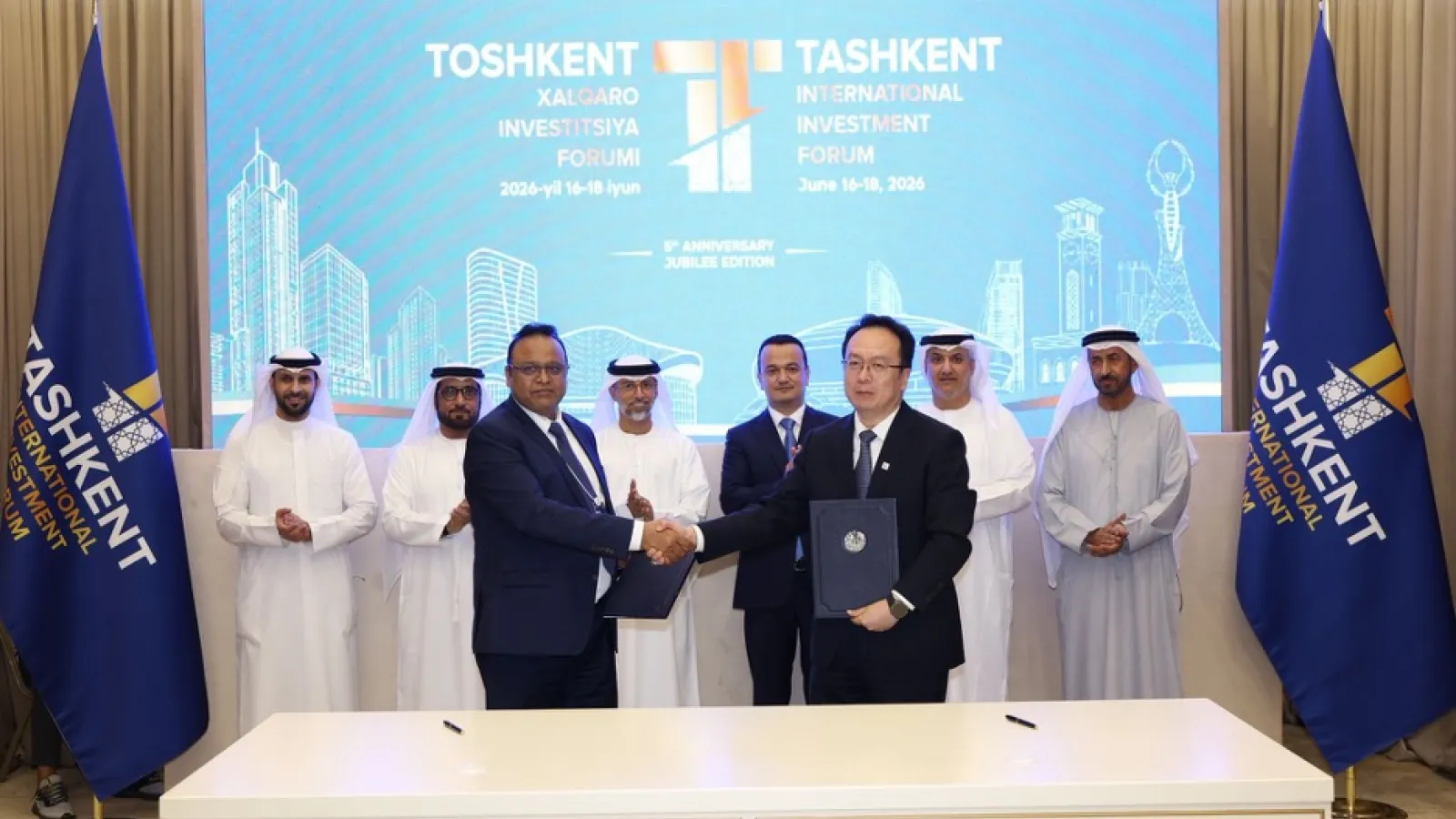
Allied Biofuels and Sinopec Engineering Group have signed a front-end engineering and design (FEED) contract with a rollover to full EPC (engineering, procurement and construction) for a US$6.1 billion sustainable aviation fuel (SAF) and e-SAF project in Uzbekistan. The agreement, signed during the 5th Tashkent International Investment Forum, represents one of the largest single clean-fuels infrastructure commitments ever made in Central Asia, and it brings together a Chinese state-linked engineering heavyweight and an emerging-market biorefinery developer on territory that sits at the intersection of energy transition ambition and geopolitical repositioning.
Allied Biofuels describes the facility as Central Asia's first world-scale integrated biorefinery, designed to combine biomass processing, advanced refining, renewable energy integration and power-to-liquid production within a single industrial platform. The project would produce both conventional SAF, derived from biological feedstocks, and e-SAF, which uses green hydrogen and captured carbon to synthesise aviation fuel from electricity. Once operational, the company says the plant is intended to supply clean aviation fuel to domestic Uzbek carriers as well as international markets.
Engineering muscle meets frontier market
Sinopec Engineering Group, a subsidiary of China's state-owned Sinopec conglomerate, brings established credentials in refinery design, green hydrogen systems and large-scale industrial integration. Under the FEED contract it will undertake front-end design, detailed engineering, systems integration and open-book cost development. The rollover provision means that, contingent on the FEED phase meeting agreed parameters, Sinopec Engineering transitions directly into the full EPC role, reducing the contracting risk typically associated with handing a project between engineering phases. Alfred Benedict, Managing Director of Allied Biofuels, said the agreement moves the project "from development into engineering and execution readiness", framing Sinopec Engineering's involvement as strengthening the delivery pathway rather than merely adding a prestigious name to the cap table.
Neither party disclosed a financing structure or confirmed which institutions are underwriting the $6.1 billion total investment. That figure, and the timeline to first production, remain unverified at this stage. The project's scale implies a multiyear construction programme, and SAF facilities of comparable ambition elsewhere have faced significant cost-escalation and offtake-agreement challenges before reaching financial close.
The convergence angle: aviation decarbonisation meets Central Asian geopolitics
The Uzbekistan project is more than a clean-energy milestone. It sits at a convergence of three macro-currents that Disrupts readers should track simultaneously.
First, aviation decarbonisation is transitioning from policy aspiration to capital commitment. The European Union's ReFuelEU mandate and the UK's SAF blending obligation are generating contracted demand that makes large-scale SAF capacity genuinely bankable for the first time. A facility positioned in Central Asia can, in principle, supply European carriers via existing cargo and fuel logistics corridors, particularly as Middle Eastern hub airlines expand their own sustainability commitments.
Second, Sinopec Engineering's involvement reflects China's continuing strategy of exporting engineering services into Belt and Road-adjacent markets, packaging industrial capability with energy-transition credentials. Uzbekistan has actively courted Chinese infrastructure investment while simultaneously engaging Gulf sovereign capital and Western development finance. For cross-sector investors, the project is a proxy for how Central Asian states are using clean-energy mega-projects to triangulate between competing great-power capital sources.
Third, e-SAF production is intrinsically a convergence technology. It requires green hydrogen, which requires large renewable electricity capacity, which in turn competes for the same grid and land resources as data centre buildout and industrial electrification. Any sovereign or institutional investor allocating to this project is implicitly making a view on Uzbekistan's renewable energy surplus and its ability to sustain power-to-liquid production economics as the country's digitalisation agenda grows.
The FEED phase will generate the cost and timeline data that will determine whether the project reaches financial close and EPC execution. That milestone, expected to follow FEED completion, is the next material signal for the broader Central Asian clean-fuels investment thesis.