
Eos Energy takes zinc storage into Germany with 750 MWh DACH deal
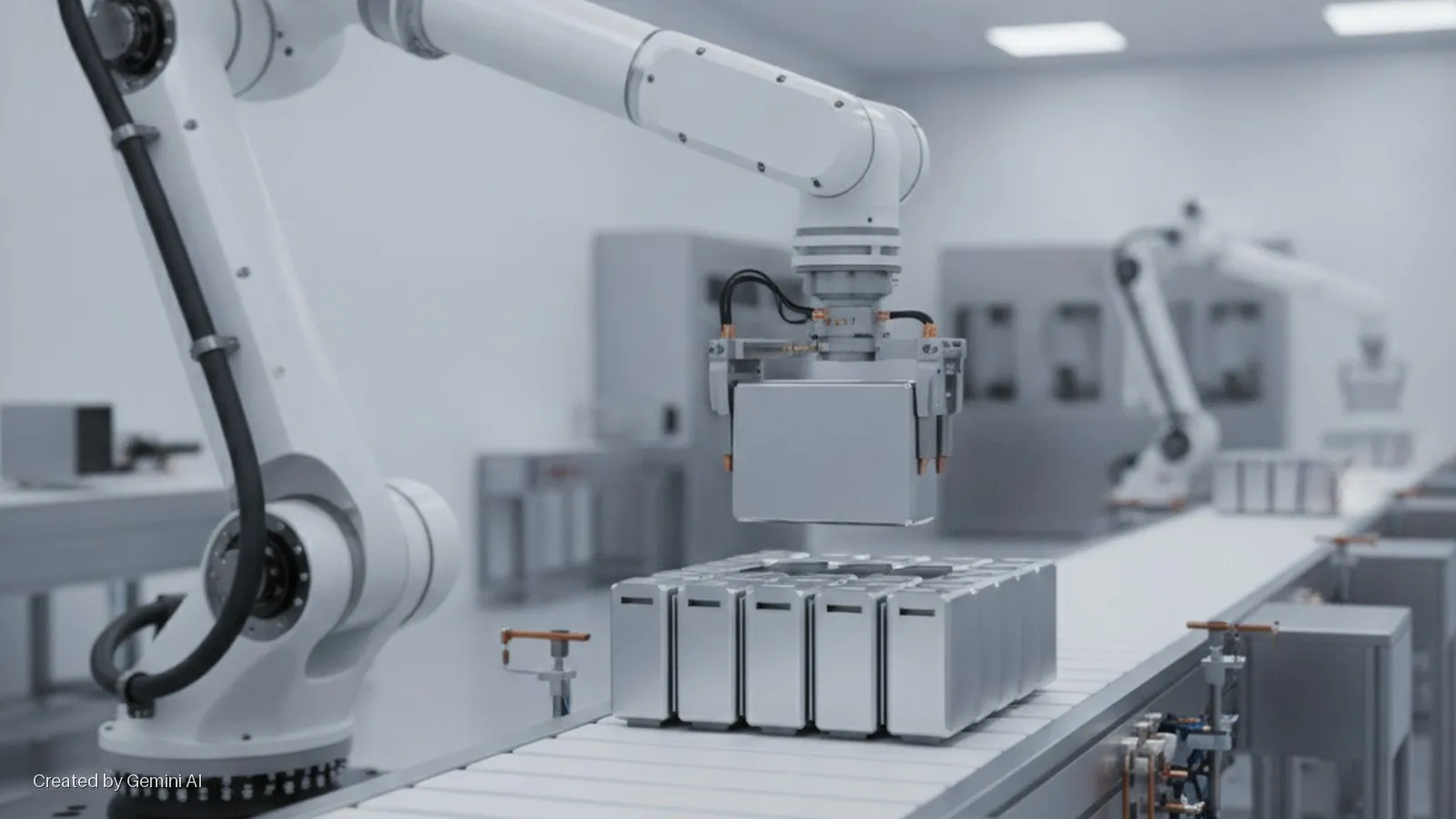
Eos Energy Enterprises, the Pittsburgh-listed maker of zinc-based long-duration battery systems, has signed a binding Master Supply Agreement with German infrastructure developer CAPAC Energy (formerly Nala Energy GmbH), establishing an exclusive commercial foothold across Germany, Austria and Switzerland. The deal commits to 750 MWh of Eos' Indensity system deployments, with a contractual pathway to 2 GWh through 2031, and marks the company's first international framework agreement for that product line.
Construction on the first projects under a previously issued purchase order is already under way, with commercial operations targeted for late 2026. CAPAC will act as Eos' exclusive distribution partner in the DACH region, executing future deployments via call-off orders under the master framework.
Germany's storage market at an inflection point
The timing reflects a structural shift in German energy policy. Berlin's accelerating coal exit, ambitious renewable targets, and continued solar capacity additions are compounding grid complexity in ways that short-duration lithium systems struggle to address. A German capacity market mechanism is expected to launch in 2027, and recent regulatory changes, covering grid-scale battery co-location and updated building code provisions, have materially improved the investment case for multi-hour storage assets.
Nathan Kroeker, Eos' Chief Commercial Officer, pointed to a specific demand signal beyond grid balancing: "Germany is an attractive energy storage market in Europe, and we believe Indensity is particularly well positioned to address growing demand from data centres, industrial customers and critical infrastructure where space, flexibility and reliability are increasingly important."
That data centre reference is strategically significant. Germany hosts the largest colocation market in Europe, and hyperscalers are under growing pressure, from regulators and corporate net-zero commitments alike, to demonstrate grid-friendly power procurement. Long-duration, non-lithium storage co-located with data centre campuses represents an emerging asset class that sits at the intersection of digital infrastructure buildout and European energy transition policy.
Cross-sector read-across: where capital flows next
The Eos-CAPAC agreement sits within a broader reorientation of cleantech capital away from pure-play lithium assets. Lithium-ion battery costs have fallen sharply, but utility-scale operators increasingly value chemistry diversity, particularly for assets requiring four to sixteen-plus hours of discharge, where zinc, iron-air and flow-battery technologies carry structural advantages in safety and cycle-life.
For cross-sector investors, the deal has a secondary signal worth tracking. Eos flagged an intention to evaluate local manufacturing and assembly in the EU, citing supply-chain security and industrial employment. If that materialises, it would position Eos within the EU Battery Regulation framework, which mandates progressive local content thresholds, and potentially make its technology eligible for European sovereign-industrial procurement programmes increasingly directed at non-Chinese battery supply chains. The geopolitical subtext is pointed: Europe's dependency on Chinese lithium-ion cell production has become a recurring theme in EU industrial-strategy discussions, and non-lithium chemistries sourced outside China are attracting policy attention that goes well beyond energy-sector regulators.
CAPAC is simultaneously building a proprietary portfolio of storage assets designed to be aggregated into a virtual power plant, which adds a fintech-adjacent dimension: aggregated distributed storage operating as a dispatchable grid asset is precisely the kind of infrastructure that European capacity markets, demand-response platforms and power-purchase-agreement structures are beginning to price.
The nearer-term test is execution. Purchase orders under the master agreement will flow into Eos' reported backlog only as projects are confirmed, meaning the headline 2 GWh figure remains a ceiling rather than a guaranteed pipeline. Eos also carries refinancing risk under its Cerberus credit facility, a material variable for a company expanding internationally while managing domestic manufacturing scale-up. Whether the DACH framework converts into substantive revenue will depend on CAPAC's ability to secure project-level financing in a European infrastructure market where interest rates, though easing, remain elevated relative to the 2021 vintage deals that defined the first wave of large-scale storage deployment.