
CCEC and CMA CGM form JV to build $82.8m LNG bunkering vessel
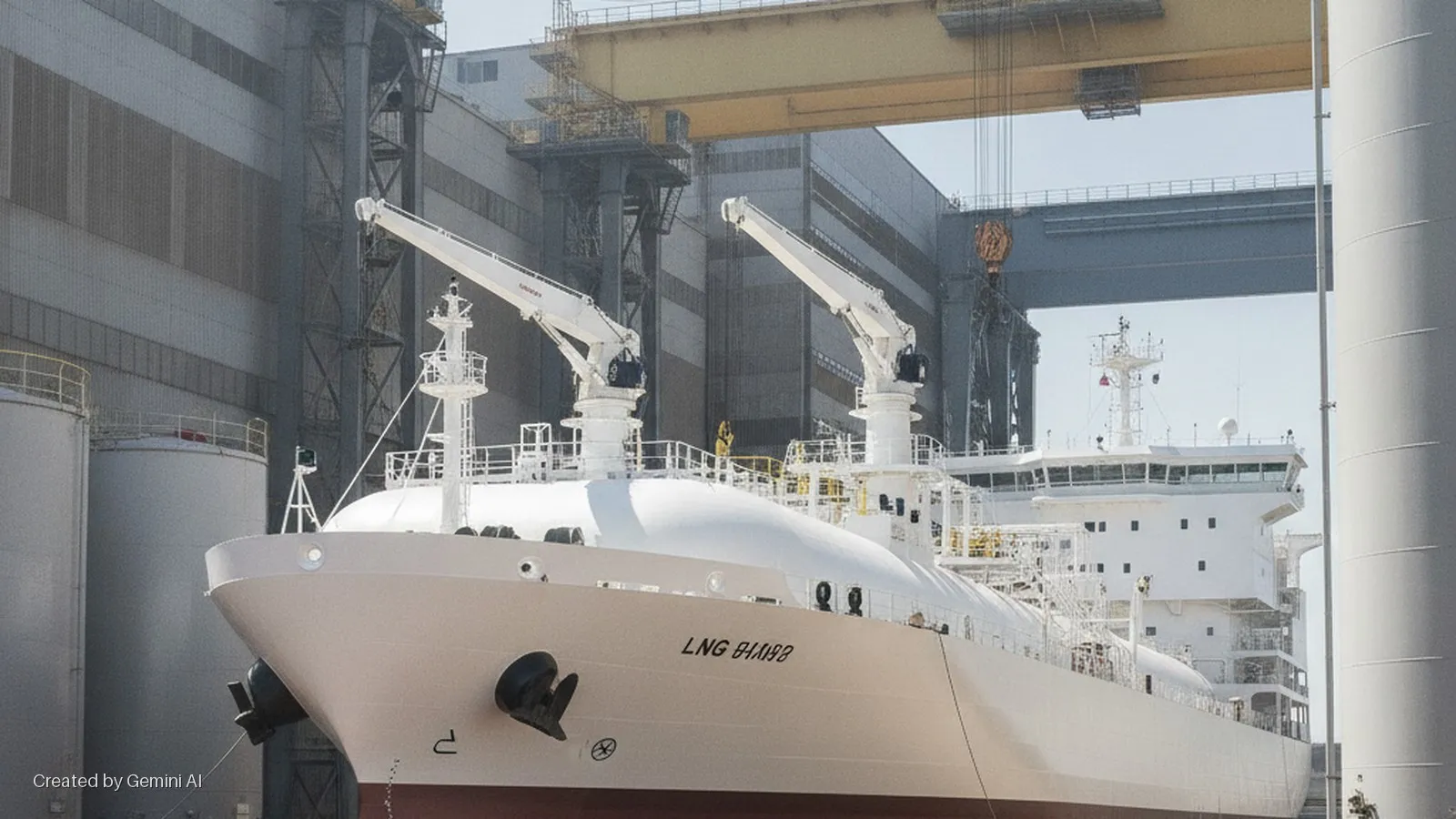
Capital Clean Energy Carriers Corp. (CCEC), the Athens-based NASDAQ-listed gas-shipping operator, has formed a 50/50 joint venture with French shipping giant CMA CGM to construct and operate a 20,000 cubic-metre dual-fuel LNG bunkering vessel. The deal, valued at $82.8 million through a shipbuilding contract with China's Nantong CIMC Sinopacific Offshore and Engineering, marks CCEC's first move from gas carriage into marine fuel supply, a strategic adjacency that pulls three of the largest names in global energy and shipping into a single structure.
The vessel is scheduled for delivery in Q3 2028 from the Chinese yard. On delivery, the joint venture expects to commence a 12-year time charter with a second joint venture, formed between CMA CGM and TotalEnergies. That layered structure, shipowner JV feeding a fuel-supply JV, creates a vertically integrated LNG bunkering chain, locking in revenue visibility for CCEC whilst giving CMA CGM and TotalEnergies a captive fuelling asset for the former's substantial container fleet.
LNG bunkering as transition infrastructure
The deal is less about a single vessel and more about who controls the refuelling architecture of a decarbonising maritime sector. LNG is positioned by the industry as a bridging fuel: materially lower in sulphur and particulate emissions than conventional heavy fuel oil, though its methane-slip characteristics attract ongoing scrutiny from climate scientists and regulators alike. Christine Cabau, EVP Operations and Assets at CMA CGM, described LNG as "the first step in the decarbonisation of our industry," framing the bunkering chain as foundational rather than terminal.
For CCEC, the move extends a platform that already includes 13 latest-generation LNG carriers in water and a further eight under construction, alongside a growing fleet of dual-fuel medium gas carriers and nascent CO2 carriers. CEO Jerry Kalogiratos characterised the venture as "a natural extension of our gas platform from carriage into marine fuel supply," opening what he called a long-term contracted revenue stream alongside partners of significant commercial scale.
The 12-year charter horizon is notable. In shipping, such tenors are typically reserved for assets with high capital intensity and strategic lock-in. That CMA CGM and TotalEnergies are prepared to commit at that length reflects the degree to which LNG bunkering infrastructure is being treated not as a transitional experiment but as durable capital expenditure.
Cross-sector and capital read-across
The convergence angle here extends beyond shipping. LNG bunkering infrastructure sits at the intersection of energy security, maritime decarbonisation, and supply-chain resilience, three themes absorbing significant sovereign and institutional capital in 2026. As European energy policy continues to navigate the tension between short-term gas dependency and longer-term net-zero commitments, assets that lock in LNG infrastructure for a decade or more carry both commercial and geopolitical weight. CMA CGM's parent, the Saadé family-controlled group, has itself been on an aggressive acquisition and infrastructure-investment trajectory; pairing with TotalEnergies signals a preference for vertically integrated energy logistics rather than spot-market exposure.
For investors tracking cross-sector capital flows, the deal also illustrates how shipping is quietly becoming a proving ground for transition-finance structures. The 50/50 JV model, paired with a long-dated time charter from a separately constituted fuel-supply entity, is the kind of ring-fenced project-finance architecture more commonly associated with offshore wind or pipeline infrastructure. As regulators in the EU and IMO tighten emissions targets on maritime, the capital structures underpinning compliant fuelling networks will matter as much as the technology aboard the vessels themselves. The real question for the next phase is whether LNG bunkering assets built today will be stranded by ammonia or methanol alternatives before their 12-year charters expire.