
Quantum Cyber targets Connecticut drone facility in $3.2m LOI
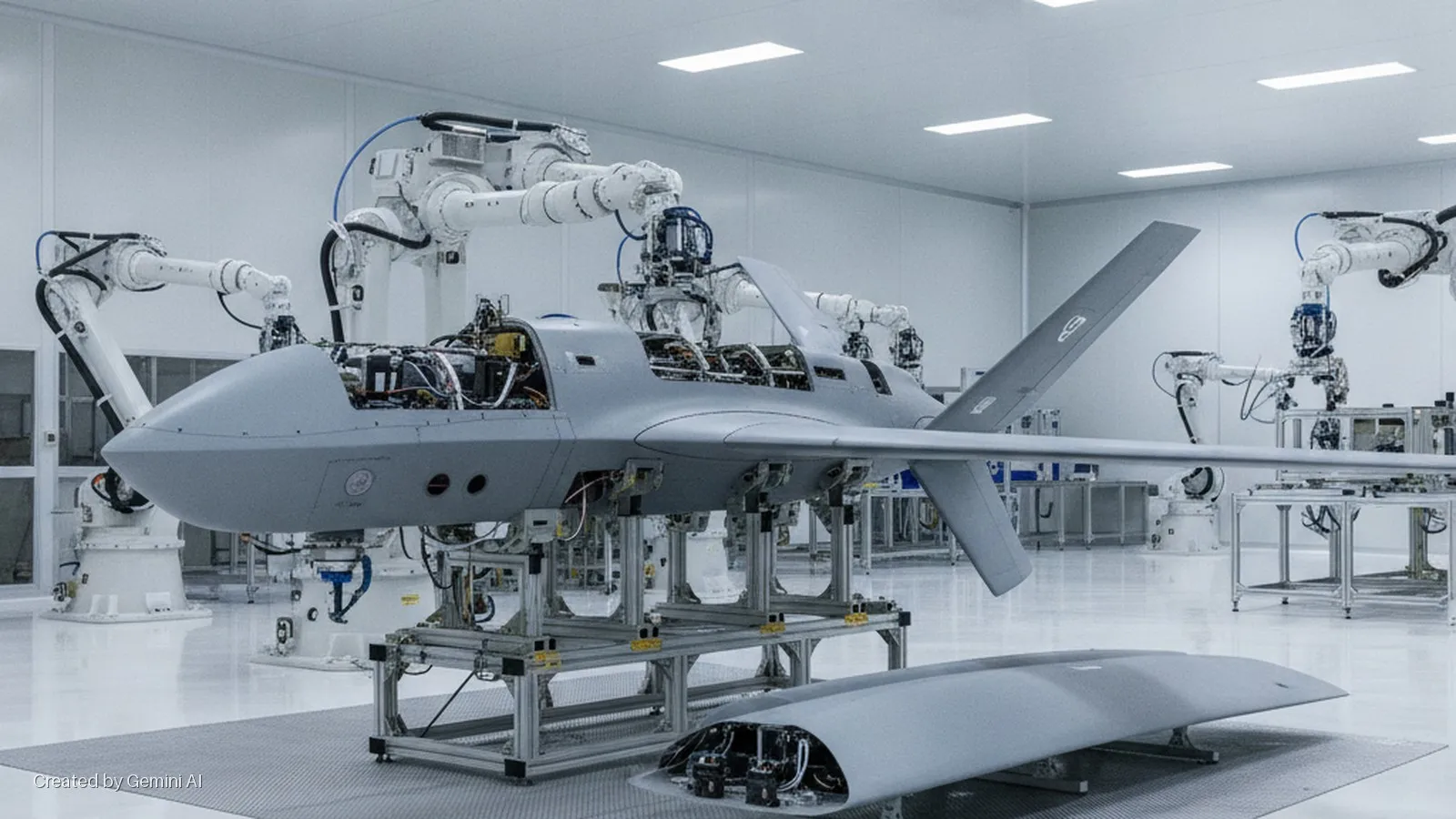
Quantum Cyber N.V. (Nasdaq: QUCY) has issued a shareholder letter outlining three concurrent developments: active progression toward a manufacturing facility acquisition in Connecticut, a Washington lobbying and engagement tour, and a claimed strengthening of its balance sheet following $15 million in warrant exercise proceeds received in May 2026.
The company's wholly owned subsidiary, Quantum Drones Corporation, signed a Letter of Intent in early June to acquire a roughly 43,000 square-foot industrial site in Bridgeport, Connecticut, from Arcade Technology LLC for $3.2 million. Chief executive David Lazar said the company is "actively working toward the execution of a definitive purchase agreement" and described progress as meaningful, though no completion date was given. The letter's own forward-looking statements section notes that an LOI does not guarantee a definitive agreement will be signed or that the transaction will close.
Manufacturing ambitions
The Bridgeport facility is equipped with stamping presses, CNC machining centres, lathes and metal fabrication tooling. Quantum Cyber says it intends to use the site for drone airframe assembly, an 80-unit 3D-printing production farm, and a filament manufacturing division that includes what the company describes as patented EMP-hardened composite filament. No independent verification of the patent portfolio or the EMP-hardening claims was provided in the release.
The company describes its intended product line as a "System-of-Systems" autonomous defence platform, designed to meet Pentagon procurement requirements. Lazar said the engagement he received from military stakeholders during a conference held in the Pentagon City area of Arlington, Virginia, "reinforces our conviction that the Company is building capabilities that are directly aligned with where federal defence spending and doctrine are headed." The company noted meetings with Representative Rich McCormick and senior officials across cybersecurity and homeland security, though no contracts, letters of award, or formal procurement processes were disclosed.
Market and competitive context
The US defence-drone market has attracted significant interest from a range of hardware and software providers in recent years. Larger and better-capitalised primes such as Shield AI, Joby Aviation (for logistics applications) and a number of venture-backed startups are competing for contracts under programmes including the Replicator initiative, which targets the rapid fielding of attritable autonomous systems. Quantum Cyber is a micro-cap entrant with no publicly disclosed revenue from government customers, which makes its claim to be "steps away" from hardware delivery at Pentagon scale difficult to assess from the available information.
The company reported a debt-free capital structure and said the $15 million in warrant exercise proceeds provides sufficient runway for its current development plans, though it did not disclose total cash on hand, a burn rate, or a projected date by which the Connecticut facility would become operational. Warrant exercise proceeds are a non-recurring financing mechanism and do not reflect product revenue; investors and analysts will typically look for contract wins and revenue disclosure as more durable indicators of commercial progress.
Regulatory and political read-across
Quantum Cyber's Washington engagement coincides with heightened Congressional scrutiny of domestic defence manufacturing capacity and supply-chain sovereignty. The company's emphasis on domestically manufactured autonomous platforms is consistent with provisions in recent National Defence Authorisation Acts that favour US-sourced hardware. However, small vendors seeking Pentagon contracts typically face lengthy procurement cycles, security clearance requirements, and compliance frameworks including CMMC (Cybersecurity Maturity Model Certification) that can extend timelines significantly. The company made no mention of CMMC certification status in its release.
The Connecticut facility acquisition, once completed, would represent a tangible operational milestone for a company that currently exists primarily as a listed vehicle executing a build-out strategy. Shareholders and prospective investors should weigh the gap between stated intentions and disclosed commercial outcomes.