
LanzaTech JV lists in Hong Kong in $75m SAF-carbon IPO
Beijing Shougang LanzaTech Technology — a joint venture between US carbon-management firm LanzaTech (NASDAQ: LNZA) and Chinese steelmaker Shougang Group — has completed a $75m IPO on the Hong Kong Stock Exchange, listing 40 million H-Shares at approximately $1.86 per share and debuting with an implied market capitalisation of around $750m.
LanzaTech, which held a 9.31% equity stake ahead of the offering, now controls roughly 8.38% of the JV's issued share capital through a subsidiary.
The listing is the first major public-market validation of LanzaTech's gas-fermentation platform — a process that feeds industrial waste gases, including emissions from steel plants, into engineered microbes that convert them into ethanol and other chemical feedstocks. That ethanol can then be upgraded into sustainable aviation fuel (SAF), placing the JV squarely at the intersection of hard-to-abate industrial decarbonisation and the fast-expanding regulated aviation-fuel market.
Carbon recycling meets capital markets
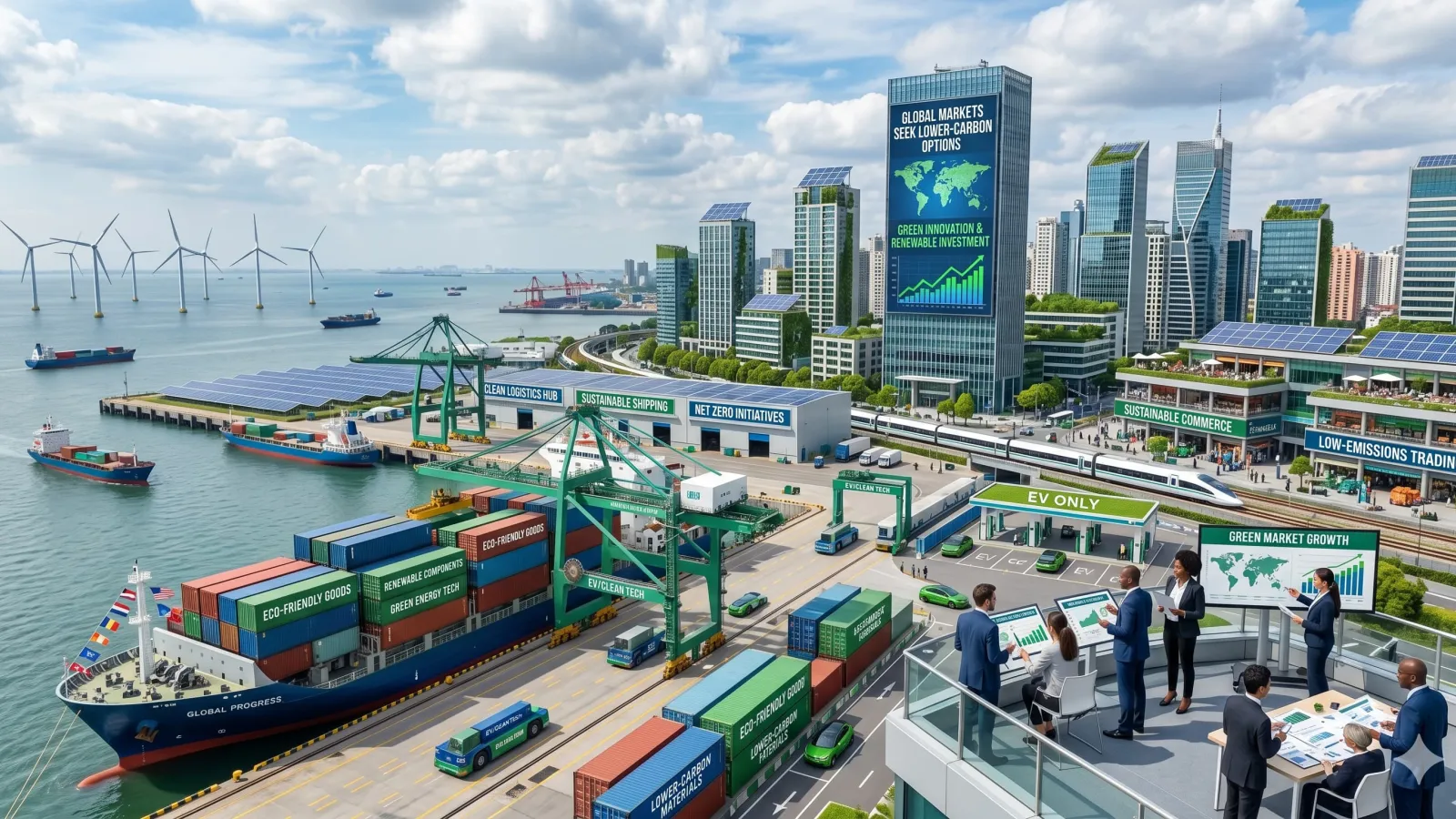
The JV's commercial track record is modest but real: annual revenues have ranged between approximately $77m and $87m across 2023 to 2025, generated across four operational facilities. That combination of proven deployment and consistent revenue gave underwriters enough to work with in a market where many deep-decarbonisation companies remain pre-revenue. "Our technology is already operating at scale, turning emissions into valuable products and creating a platform for growth in fuels, including SAF, as global markets seek lower-carbon, more resilient supply options with less exposure to geopolitical disruption," said Jennifer Holmgren, LanzaTech's chief executive.
The Hong Kong venue is itself significant. Listings on the HKEX rather than a US exchange reflect both the JV's China-anchored operational base — Shougang is one of China's largest state-linked steelmakers — and a strategic calculation about investor appetite: Asia-Pacific institutional capital, including sovereign and quasi-sovereign funds, has been consistently more willing to price long-duration energy-transition assets than much of the post-2022 US market, where clean-energy equities have faced persistent multiple compression.
SAF demand, supply-chain resilience and the macro read-across
The macro context for this listing is unusually favourable on one axis and complicated on another. On the demand side, SAF mandates are tightening across the EU (ReFuelEU) and the UK (Jet Zero), and airlines are increasingly seeking offtake agreements that are geographically diversified away from conventional crude-derived kerosene — exactly the supply-chain resilience argument LanzaTech is making. On the regulatory-arbitrage axis, the JV's revenues are denominated in renminbi and subject to China's own evolving green-fuel policy architecture, which is less prescriptive than European SAF mandates but is developing rapidly as Beijing seeks energy security through domestic feedstock loops.
For cross-sector investors, the listing illustrates a structural convergence that is only accelerating: the marriage of industrial bioprocessing (gas fermentation at steel-plant scale), synthetic-biology-adjacent feedstock engineering, and regulated commodity fuel markets. The capital question for anyone tracking this space is whether the $750m market cap is a floor or a ceiling. Comparable pure-play SAF and carbon-utilisation businesses in public markets remain scarce — LanzaJet, the SAF-upgrade spinout in which LanzaTech also holds a stake, is not yet publicly listed — so the HKEX debut provides one of the first liquid reference points for pricing industrial-scale carbon recycling.
Looking forward, the JV's most valuable optionality may be its ethanol-to-SAF conversion pathway. Commercially certified ethanol-to-jet processes are already approved under ASTM standards, meaning the JV does not need to clear a new fuel-certification hurdle to access international aviation fuel supply chains. If Shougang LanzaTech can scale throughput and secure offtake from carriers or fuel distributors with European compliance obligations, the revenue mix could shift meaningfully towards higher-margin certified SAF — a dynamic that would put the current valuation in a different light entirely.