
Tonner Drones pivots to SpaceX stake and logistics drone R&D
Tonner Drones, the Euronext Growth Paris-listed company (ISIN: FR001400H2X4), has published a shareholder letter outlining what CEO Diede van den Ouden describes as a completed operational and financial turnaround — and a new strategic identity that blends drone hardware R&D, active treasury management, and minority stakes in high-growth ventures, including a secondary-market position in SpaceX.
The letter, addressed to shareholders ahead of a 11 June general meeting in Paris, marks a deliberate attempt to reframe what critics have called an "empty shell": a listed vehicle with minimal commercial revenue. Van den Ouden's case is that the shell now has substance — positive equity of approximately €880,000 (compared with negative equity of -€5.5m in October 2024), nearly €1m in profit for 2025, and a portfolio of stakes in French drone manufacturers including Diodon, Elistair, and Donecle.
The SpaceX position: secondary-market timing as strategy
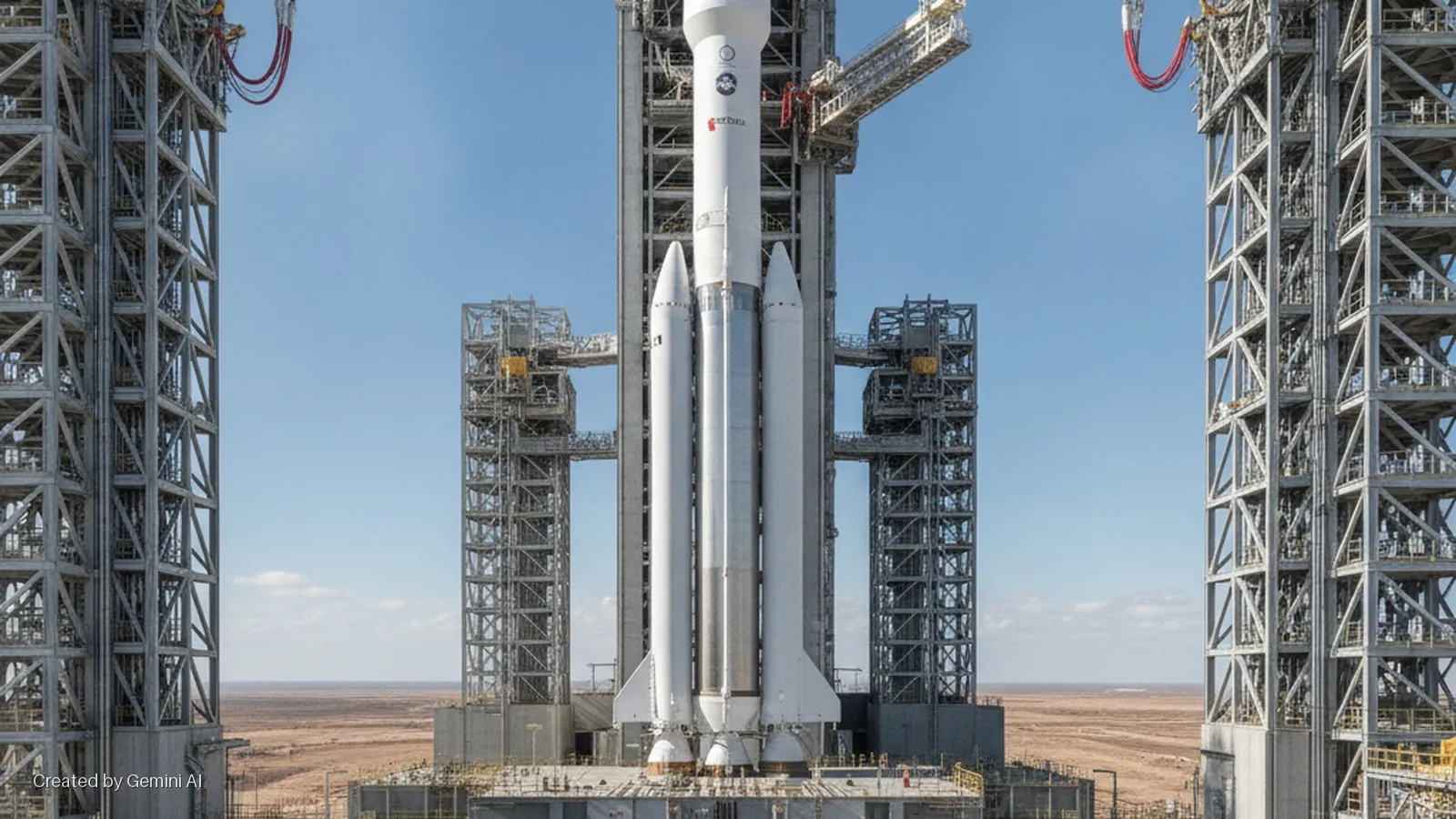
The most attention-grabbing disclosure is Tonner Drones' indirect stake in SpaceX, acquired through a secondary transaction that the letter says valued the private space company at $888 billion. The company says it plans to divest the position around the time of a SpaceX IPO — a move framed as opportunistic value crystallisation rather than a long-term hold. The stake was partly funded from proceeds of the Donecle asset sale.
The framing is deliberate: management is positioning the SpaceX bet as proof of concept for its treasury-as-alpha approach, demonstrating that a micro-cap drone company can deploy balance-sheet capital into late-stage private markets in a way typically reserved for sovereign wealth funds or large family offices. Whether that argument holds up at scale is another matter — the SpaceX position is described as indirect, its exact size undisclosed, and the letter itself cautions that "the financial outcome of this SpaceX investment alone will not be decisive" for the company's future.
Convergence angle: micro-cap listed vehicles as cross-sector capital allocators
The Tonner Drones story is, in miniature, a version of a structural trend playing out at much larger scale: the use of listed vehicles — whether special purpose acquisition companies, closed-end funds, or, as here, a repurposed industrial company — as accessible on-ramps into private, pre-IPO technology assets that retail and smaller institutional investors cannot otherwise reach.
The company's stated ambition is to operate across drone operations, active cash management, and participations in other sectors, with its Euronext Growth listing used as a "strategic tool" for partnering. That architecture is increasingly common among small European listed companies seeking relevance in an era when the most valuable technology assets (SpaceX, Anthropic, Stripe) remain private for far longer than the historic norm. The risk, equally familiar, is that the listed vehicle trades at a premium to net asset value on hype, then corrects sharply when the underlying IPO timeline slips or the private valuation marks come under pressure.
The broader drone sector context adds a further dimension. Van den Ouden acknowledges that the sector is experiencing strong momentum but that "competition is fierce and growth often takes precedence over profitability" — a candid admission that mirrors the pattern seen across autonomous systems more broadly, where defence and logistics procurement is accelerating but margin structures remain unclear for smaller hardware players. Tonner Drones' response is to subordinate the drone R&D line to the investment vehicle thesis rather than the other way around.
For macro investors tracking European micro-cap exposure to the private tech ecosystem, Tonner Drones is a data point worth monitoring — less for its own scale than for what its architecture signals about how listed vehicles in Paris and Amsterdam are being repurposed as convergence plays. The share price has risen more than 350% since the current management took office in October 2024, the company claims, though that figure should be read in the context of a small-cap with meaningful dilution over the same period.