
Northwest Pump acquires TechStar CNG to bolster alternative fuels push
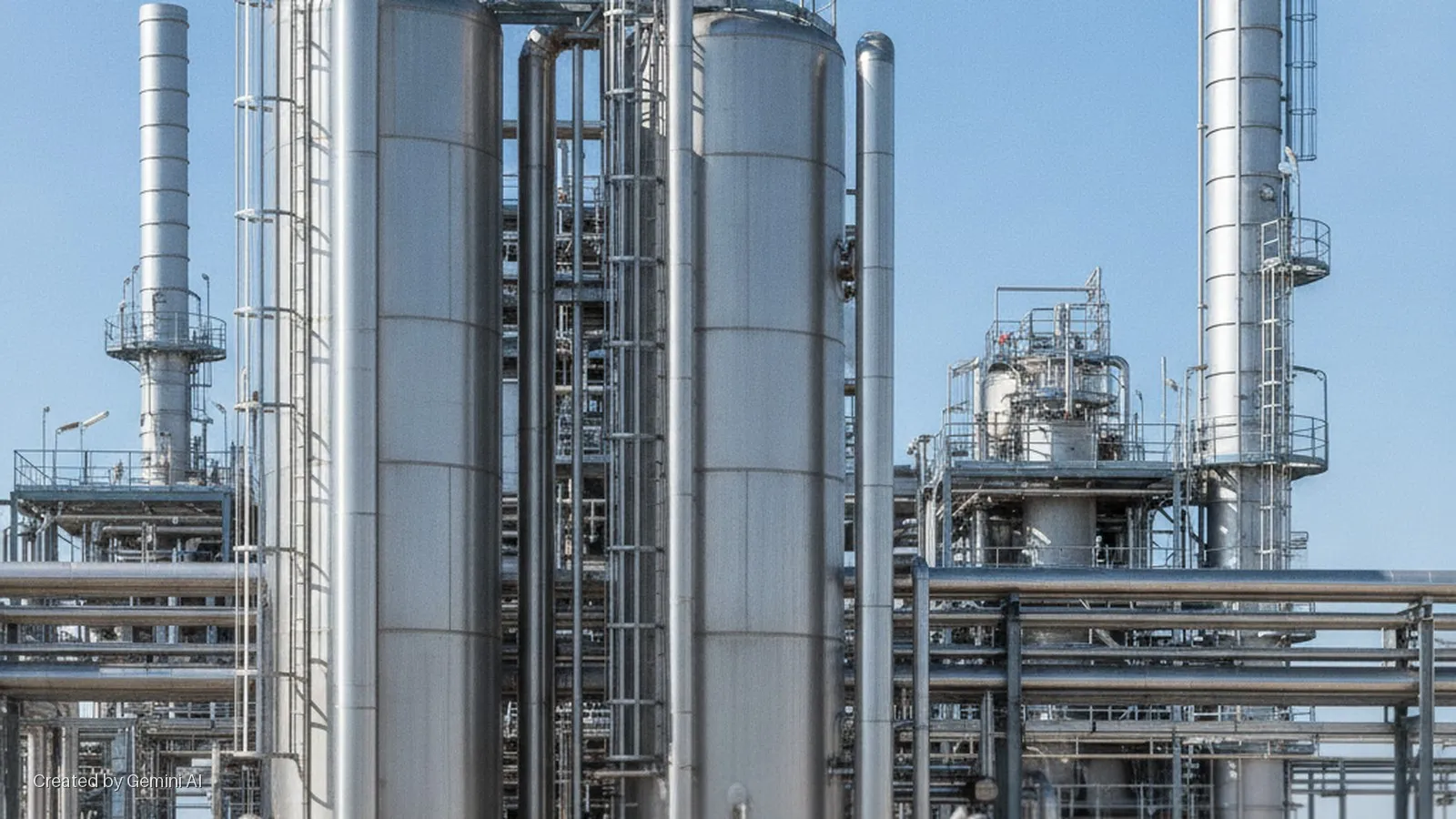
Northwest Pump and Equipment, a Portland-based distributor and service provider with more than 500 employees and 26 branch locations across the Western United States, has acquired TechStar CNG Systems, a Pacific Northwest specialist in compressed natural gas, renewable natural gas, and hydrogen fuelling infrastructure. The deal extends Northwest Pump's "New Energy" portfolio beyond its traditional petroleum and industrial base, positioning the combined business to serve commercial fleets, public transit agencies, utilities, and municipalities navigating an increasingly complex energy transition.
TechStar was founded in 2012 by Greg Stone, who built the company's reputation on system design and project delivery for heavy-duty transport operators. Stone will join Northwest Pump's New Energy team, reporting to Jim Moran, where he will support existing clients and help extend the company's reach in alternative fuelling technologies including electric vehicle charging.
A regional consolidation with national undertones
The acquisition follows a pattern visible across the United States: mid-market fuelling infrastructure businesses are consolidating to meet the capital and technical demands of serving fleets transitioning away from diesel. Heavy-duty commercial vehicles account for a disproportionate share of transport sector emissions, and fleet operators face a fragmented supplier landscape when specifying CNG stations, RNG supply agreements, and hydrogen dispensers alongside conventional pump maintenance. A single integrated provider with a broad Western footprint is, in that context, a commercially logical response to customer complexity.
Bob Mathews, President and CEO of Northwest Pump, said: "Greg has built an outstanding reputation for technical expertise and innovation, and TechStar's capabilities are a natural complement to our growing New Energy strategy."
No acquisition price was disclosed. The terms were not made public, and neither company provided revenue figures or fleet-customer numbers that would allow independent sizing of the combined business.
Convergence implications for transport and energy capital
For cross-sector strategists, the more interesting question is what this regional deal signals about capital flows into distributed fuelling infrastructure. The US Inflation Reduction Act has directed substantial incentives toward low-carbon fuelling networks, and investors from infrastructure funds to energy majors have begun treating CNG and RNG refuelling assets as long-duration income plays rather than specialist engineering niches. The Pacific Northwest, with its concentration of refuse fleets and transit agencies already running on natural gas, represents a relatively mature market; the strategic logic of combining Northwest Pump's service density with TechStar's design capability is to capture the next wave of fleet conversions before hydrogen costs fully converge with CNG at the nozzle.
That convergence timeline remains contested. Hydrogen dispensing at commercial scale carries infrastructure costs that RNG and CNG do not, and the build-out of green hydrogen supply chains in the western US is still heavily subsidy-dependent. Northwest Pump's decision to hold hydrogen alongside CNG and RNG within the same "New Energy" portfolio reflects the hedging logic most fleet-infrastructure operators are adopting: maintain technology optionality rather than commit to a single fuel pathway.
For investors tracking the energy transition in transport, the deal is a reminder that the competitive moat in alternative fuelling is less about the fuel itself and more about service density, compliance expertise, and installer relationships with fleet procurement teams. Those are exactly the assets Northwest Pump has accumulated over six decades in petroleum infrastructure, and which TechStar's project delivery record extends into the alternative-fuel segment.
The broader implication is that Western US fuelling infrastructure is entering a consolidation phase driven not by the energy majors but by regional specialists with established service networks. Capital following this trend should watch for further bolt-on acquisitions among the handful of mid-market operators that combine petroleum legacy with genuine alternative-fuel engineering depth.