
Wevr reaches 1m+ audiences across five continents with XR cinema push
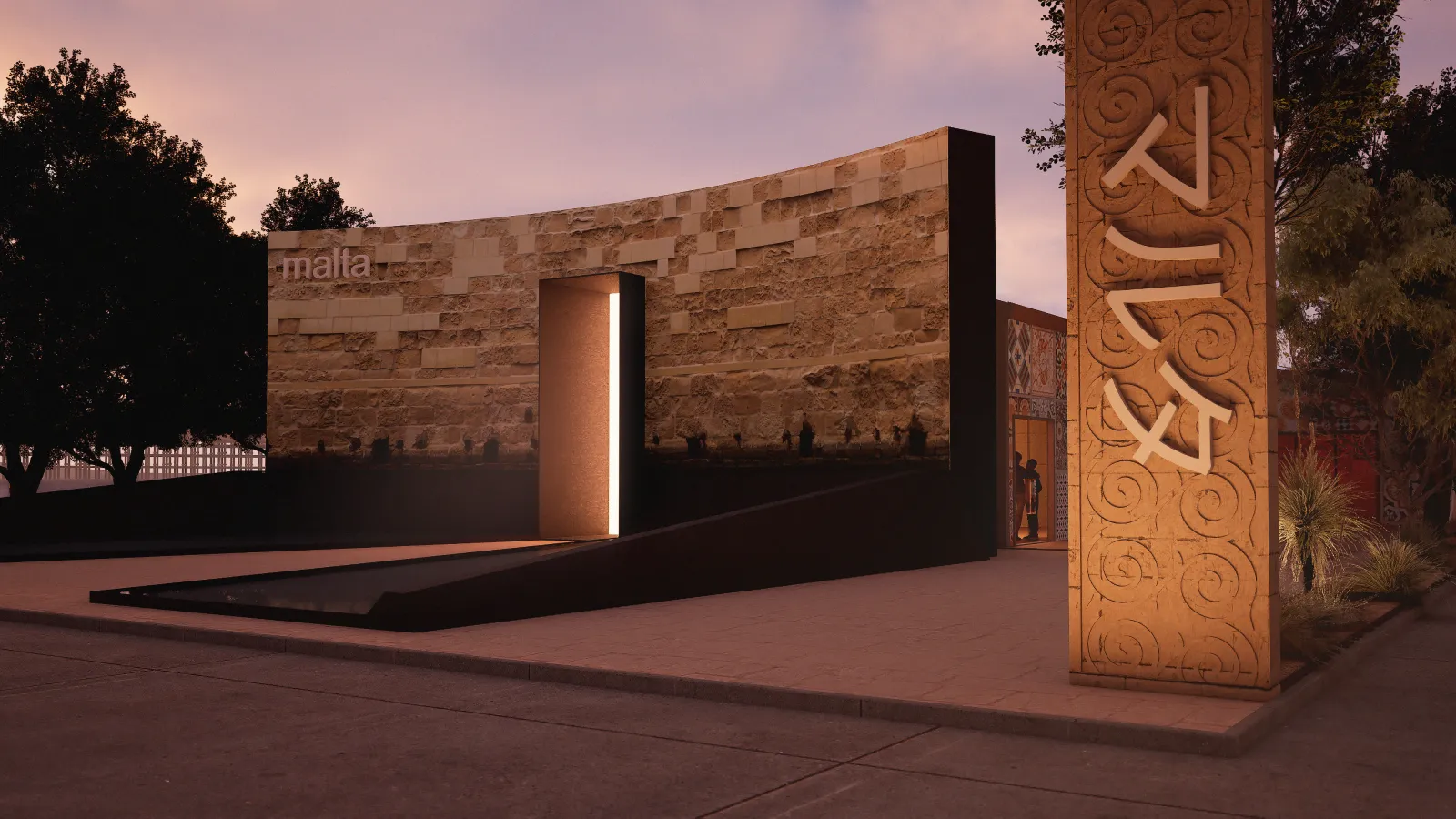
Wevr, the Los Angeles-based creative technology studio backed by HTC, Epic Games, and Warner Bros., has reached over one million visitors across five continent-spanning productions in the past year, positioning location-based extended reality (XR) as a credible third pillar of the entertainment industry alongside streaming and theatrical cinema.
The company's five productions, spanning Taiwan, Mexico, Japan, China, and the World Expo in Osaka, each carried a "world first" or "regional first" designation, according to Wevr. Taken together, they represent the most geographically dispersed rollout of high-end, location-based VR experiences the studio has attempted, and they offer early evidence that premium immersive entertainment can scale across culturally distinct markets without losing its core appeal.
From ocean reefs to imperial tombs
The flagship production this cycle was the Malta Pavilion at World Expo 2025 in Osaka, commissioned by Malta Enterprise and directed by Wevr co-founder and CEO Neville Spiteri. The experience deployed a 60-by-20-foot curved LED facade and a 180-degree immersion chamber to guide more than 750,000 visitors through 8,000 years of Maltese history using spatial audio and AI-enhanced 3D photogrammetry. The pavilion finished third in the People's Choice Award among more than 100 participating nations, and has since been re-installed at Himeji Castle, a UNESCO heritage site, attracting a further 150,000 visitors in its first two months.
In China, Wevr partnered with VIVE Arts to create what the studio describes as the world's first immersive reconstruction of Emperor Qin Shi Huang's sealed tomb, drawing hundreds of thousands of visitors to Xi'an. In Taiwan, the latest chapter in the company's long-running Blu ocean franchise launched at Kaohsiung's Pier-2 Art Center in partnership with HTC VIVERSE and the Taiwan Ministry of Culture. Director Chiang Ching-Sung of the Ministry's Department of Cultural and Creative Development said the experience "combines XR immersive technology with international content production capabilities, allowing marine conservation, local culture, and historical memory to be experienced in a more immersive and engaging way."
In Japan, a 45-minute free-roam, multi-user VR adaptation of The Little Prince premiered at Es Con Field Hokkaido in December 2025, has since moved into China, and is described as heading worldwide. A three-day Mexico City pop-up drew more than 1,800 visitors, notable primarily because a significant proportion were first-time VR users who cycled through multiple scenes before leaving.
The capital and convergence case
The strategic read for cross-sector investors is less about any individual production and more about what the aggregate volume signals for the location-based entertainment (LBE) sector as an asset class. Wevr's investor base, HTC (hardware), Epic Games (real-time 3D engine infrastructure via Unreal), and Warner Bros. (IP and distribution), maps neatly onto the three input layers that make high-end XR commercially viable: device ecosystems, rendering pipelines, and narrative IP. That combination is not easily replicated by either a pure-play games studio or a traditional film production house, which partly explains why Wevr has been able to secure government and sovereign cultural mandates (Malta Enterprise, Taiwan Ministry of Culture) that most entertainment start-ups cannot access.
The broader capital landscape for immersive entertainment remains cautious after the consumer VR headset market underperformed expectations through 2023 and 2024, but the LBE sub-segment has drawn renewed institutional interest precisely because it sidesteps the hardware-ownership barrier. Visitors do not need to own a headset; the venue owns the infrastructure and monetises through ticketing. That model aligns more closely with the economics of theme parks or escape rooms than with the subscription-streaming model, and it opens a different class of real-estate and hospitality capital to the sector.
"We are building a new kind of cinema, one in which you don't watch the story, you step inside it," Spiteri said. The ambition is clear. Whether the unit economics at Wevr's current production cost basis can support a truly global franchise rollout, without the IP licensing scale of a Disney or a Universal, remains the open question for investors tracking the space.