
Tax uncertainty could make businesses think twice about growth


With the Budget set for 28 October, the Chancellor has made growth the centrepiece of his economic message, while declining to say where tax rises might fall. For the sole traders, landlords and small business owners being asked to invest, that silence has a cost of its own.
Co-Founder &
Co-CEO, Taxd
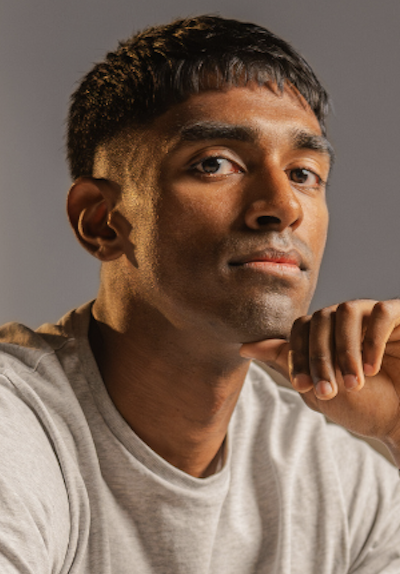
Arjun Kumar is co-founder and co-CEO of Taxd, a UK tax platform that works with more than 25,000 clients, including sole traders, landlords and business owners. In this contributed piece he sets out his own view of what the Budget needs to do for the people expected to deliver the Chancellor's growth plans.
The Chancellor has put growth at the centre of his economic plans, talking about young people starting businesses that can grow globally, self-employed people having profits to reinvest and creating the conditions for British businesses to succeed.
The ambition is welcome, but delivering it will depend heavily on whether the people being asked to create that growth actually feel confident enough to make those decisions.
The Chancellor wants entrepreneurs to take risks, businesses to invest and the self-employed to put their profits back into growing, but those decisions become much harder when people are already facing higher costs and have no idea what the tax landscape will look like after October.
Tax becomes part of the calculation whenever somebody considers putting more money into their business, taking on another employee, buying equipment or expanding into new premises, because ultimately they need to know what the decision is going to cost and whether they can afford to take the risk.
At Taxd, we work with more than 25,000 clients, including sole traders, landlords and business owners, and we see how much uncertainty can influence those decisions. People want to know what they are likely to pay, which allowances and reliefs apply to them and whether the plans they are making today will still make financial sense after the Budget.
The Chancellor has understandably refused to be drawn on potential tax rises ahead of 28 October, but the debate around tax has become too focused on whether the headline rate of income tax will change.
Thresholds, allowances and reliefs can have a significant effect on what somebody actually pays, particularly when wages or profits rise while thresholds remain frozen, and for somebody running a business the difference can feed directly into how much money they have available to invest.
That becomes even more important when businesses are already dealing with energy bills, labour costs and expensive borrowing, pressures the Chancellor himself acknowledged in his speech.
Nobody should start rearranging their finances because of rumours about what might appear in the Budget, particularly when we are still several weeks away and individual tax circumstances can vary considerably. People who are already considering a significant financial decision can use this period to understand their current position, check which allowances and reliefs they rely on and make sure they understand the tax implications before acting.
The bigger question for the Government is how it balances the need to get the public finances under control with its ambition to encourage people to invest and grow, particularly when the Chancellor has acknowledged that borrowing costs are at historic highs and debt interest is consuming a significant amount of public money.
There will be difficult choices at the Budget, but those choices will affect the behaviour of the people the Chancellor is relying on to deliver his growth plans. Tax can influence whether somebody puts another £10,000 into their business, employs another person, buys a property or keeps their money back because they are worried about what could happen next.
For the Chancellor, the challenge between now and October is understanding where that hesitation already exists and what is causing it, because asking businesses to invest and entrepreneurs to take risks will only get you so far if they do not have enough confidence in the tax system to make those decisions.
If growth is going to be the priority, the Budget needs to give the people expected to create it enough confidence to get on with the job.