
TARAF and Mubadala partner on 5.4m sq ft Abu Dhabi waterfront scheme
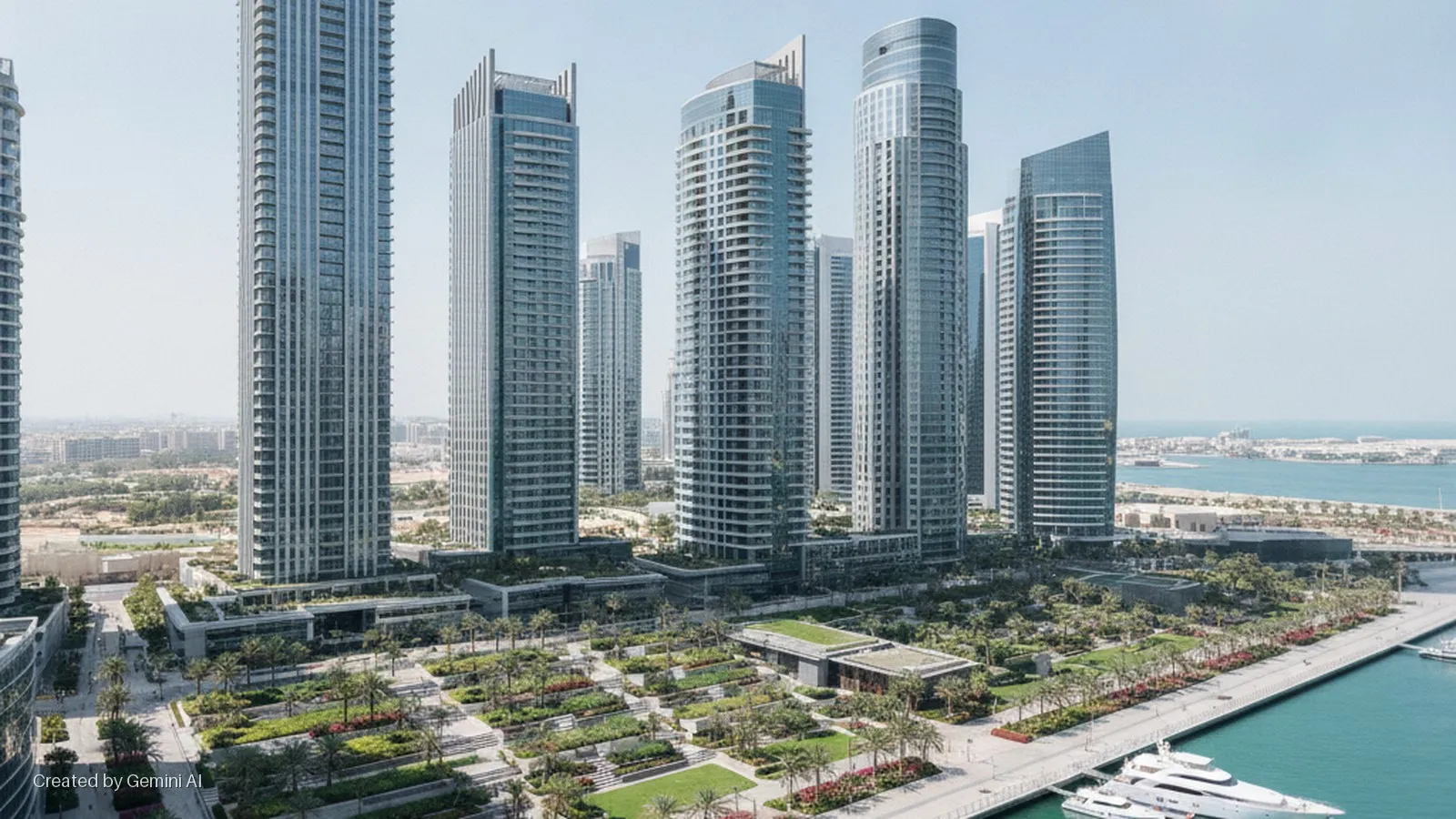
TARAF, the property development arm of UAE-headquartered Yas Holding, and Mubadala Investment Company have signed a Memorandum of Understanding to explore a major mixed-use waterfront development on Al Reem Island in Abu Dhabi. The proposed scheme spans 10 plots across roughly 655,000 sq ft of land and would deliver approximately 5.4 million sq ft of gross floor area, combining residential towers, commercial space, retail, and food-and-beverage outlets within a single integrated masterplan.
The agreement was formalised at LIVEX 2026, a real estate exhibition, and signed by senior representatives of both organisations. Mubadala, which manages a global portfolio of approximately US$385 billion on behalf of the Abu Dhabi government, is participating as investment partner rather than lead developer, with TARAF holding the design and development mandate. The MoU establishes a framework for joint assessment and progression of the scheme, it does not yet constitute a binding commitment to proceed.
A livability-first masterplan on an established island
TARAF's proposed design centres on pedestrian connectivity and public realm activation: landscaped routes and plazas would link residential and commercial components, while ground-floor retail and dining are intended to generate street-level activity along the waterfront. The residential offer would range from one- to four-bedroom apartments and penthouses, targeting a market that blends Abu Dhabi's long-term resident base with an internationally mobile professional class.
Low Ping, Group CEO of Yas Holding, framed the project as an exercise in urban maturation rather than greenfield speculation. "Our ambition is to create long-term value through considered design, stronger connectivity and a high-quality public realm that enhances the experience of the wider community," she said.
Al Reem Island is an established mid-to-high-density residential district connected by bridge to Abu Dhabi's main island. It has seen sustained development over the past decade, including significant infrastructure investment, but critics have noted that earlier phases produced pockets of residential supply that lacked cohesive public amenity. TARAF's masterplan pitch, design-led, walkable, amenity-rich, is a direct response to that gap.
Sovereign capital and the Gulf's urban real estate convergence
The Mubadala involvement is the detail that lifts this announcement beyond a routine developer MoU. Mubadala is one of the most diversified sovereign investors globally, with established positions across technology, life sciences, infrastructure, and financial services. Its decision to engage as investment partner in a domestic mixed-use real estate scheme reflects a deliberate strategy by Abu Dhabi's sovereign capital apparatus to anchor wealth locally while simultaneously deploying it internationally, a dual-track approach that Gulf states have refined since the 2014 oil-price correction.
For cross-sector investors tracking Gulf capital flows, the pattern is instructive. Sovereign wealth funds in the UAE and Saudi Arabia have, over the past three years, moved from passive real estate allocations toward active partnership structures that allow them to shape urban form, not merely own assets. Mubadala's partnership with TARAF mirrors similar arrangements seen in Saudi Arabia, where the Public Investment Fund has anchored mixed-use megaprojects as both investor and de facto urban planner.
The broader implication is a compression between real estate as an asset class and real estate as sovereign infrastructure policy. For institutional investors assessing Gulf exposure, the distinction matters: assets underwritten by sovereign partners carry different risk profiles, planning certainty, and exit dynamics than purely commercial developments. A 5.4 million sq ft scheme on an island with existing infrastructure and a captive residential base is considerably de-risked by Mubadala's participation, even at MoU stage.
The scheme remains exploratory. No construction timeline, capital commitment, or planning consent has been disclosed, and the MoU language is deliberately non-binding. The next milestone to watch is whether the parties progress to a formal joint development agreement, and whether Mubadala's role deepens into equity co-investment or remains an enabling partnership.