
Boku brings carrier billing to parking in UK-first VMO2 tie-up
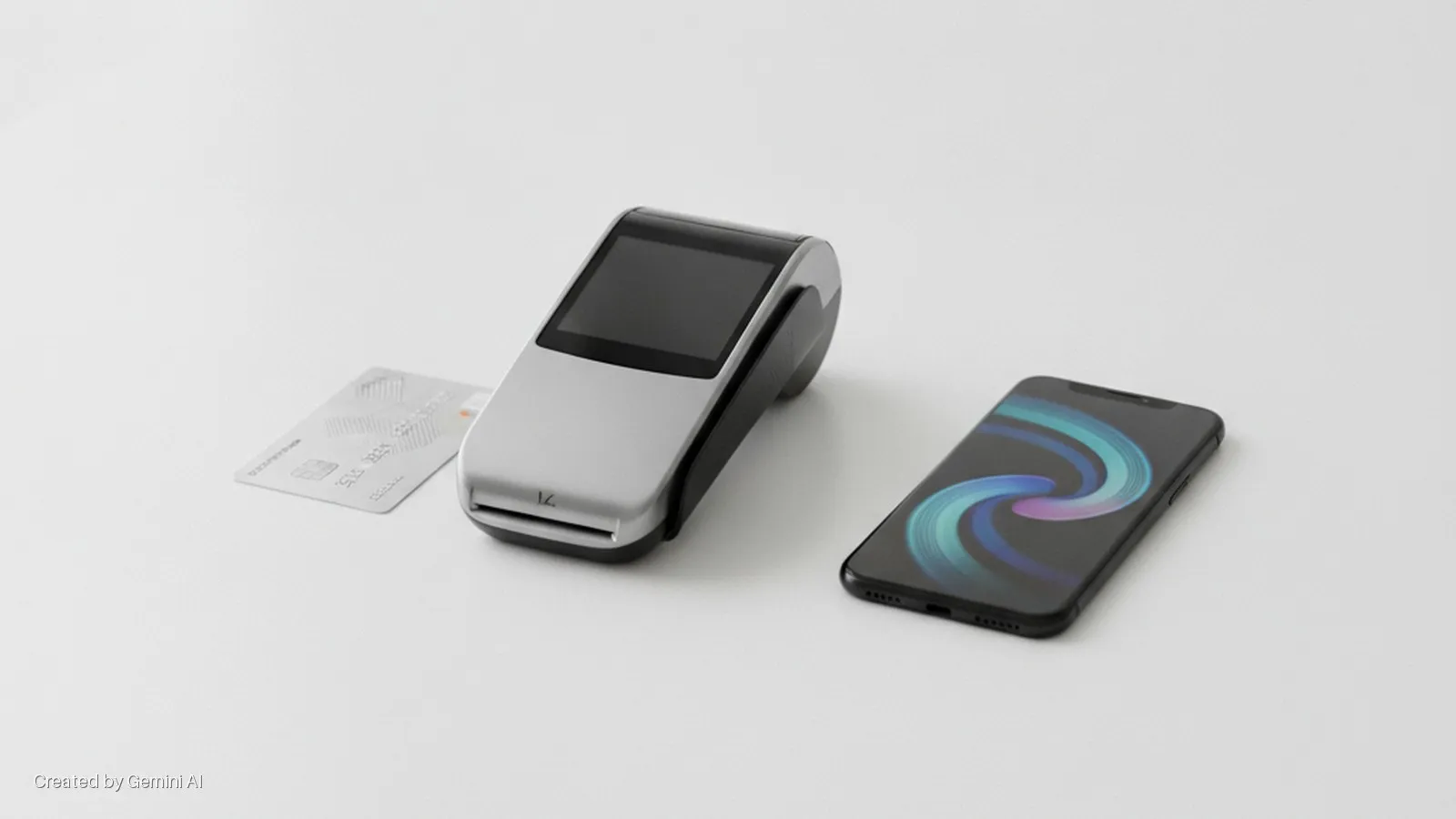
Boku, the London-listed local payments infrastructure provider, has partnered with parking platform JustPark, mobile operator Virgin Media O2 and parking technology firm Parcmi to launch direct carrier billing (DCB) as a payment option at car parks in London and Hereford. Virgin Media O2 says the move makes it the first UK mobile network operator to offer customers the ability to charge parking fees directly to their mobile account, ahead of a planned national rollout.
DCB allows consumers to pay for goods or services by having the charge billed to their mobile phone account rather than entering card details or handling cash. The technology is well established in digital entertainment, Boku's existing merchant roster includes Spotify, Netflix and Microsoft, but its application to physical, real-world transactions at the point of parking represents a meaningful category extension. Stuart Neal, CEO of Boku, said: "Parking is a strong example of where a preferred mobile payment method can remove unnecessary friction from an everyday transaction. This partnership shows how carrier billing can move into new categories, create new opportunities for carriers, and give consumers a simpler way to pay."
From streaming to streetside
The significance of this launch sits less in the parking vertical itself and more in what it signals about the broader trajectory of DCB infrastructure. Payment rails built for frictionless, low-value digital transactions, gaming microtransactions, music subscriptions, are now being retooled for high-frequency physical commerce. Parking is an instructive test case: transactions are small, time-sensitive, and traditionally plagued by poor conversion at the payment step (fumbling for a card, locating a cash machine, or navigating a multi-screen app). Reducing that friction has measurable revenue implications for parking operators, who the industry broadly acknowledges lose a material proportion of potential revenue at the checkout stage.
JustPark, which the company says facilitates over $1 billion in annual booking volume and parks more than 40 million cars each year in its global network, provides the consumer-facing platform through which DCB will surface. Parcmi provides the underlying parking-operator technology. Boku supplies the DCB settlement and regulatory infrastructure that ties a carrier's billing system to a merchant's checkout flow across more than 60 countries.
The wider convergence read
The more consequential question for cross-sector investors is whether this represents the start of a structural migration of DCB from digital to physical retail and mobility. Contactless payment infrastructure, whether NFC, QR-code-based or account-to-account, has been progressively displacing card networks in transport and parking across Europe over the past five years. DCB adds a distinct dimension: it routes around card networks entirely, using the carrier's existing billing relationship with the subscriber. For mobile operators, who have long sought ways to monetise their network relationships beyond voice and data, DCB in physical commerce represents a new revenue-sharing avenue with merchants, without requiring customers to enrol in a separate wallet or financial product.
That dynamic is already well understood in emerging markets, where DCB and mobile-money schemes have leapfrogged card infrastructure entirely in countries with low banking penetration. The UK pilot tests whether a similar logic, simplicity over card ubiquity, can win incremental share in a market where cards are already dominant. Virgin Media O2's 46 million UK mobile connections give the trial a meaningful addressable base from day one.
For fintech investors and transportation-logistics operators watching adjacent sectors, the structural parallel to watch is the expansion of account-to-account payment rails in transit. TfL's contactless network, Uber's stored-credential model, and now DCB-in-parking are all expressions of the same macro pressure: reducing the cost and friction of payment at the point of physical mobility. If Boku and VMO2 can demonstrate conversion uplift in London and Hereford, the national rollout timeline and the appetite of other UK operators to follow suit will become the next capital allocation signal in this space.