
XCharge launches GridOne as EV charging meets grid-scale storage
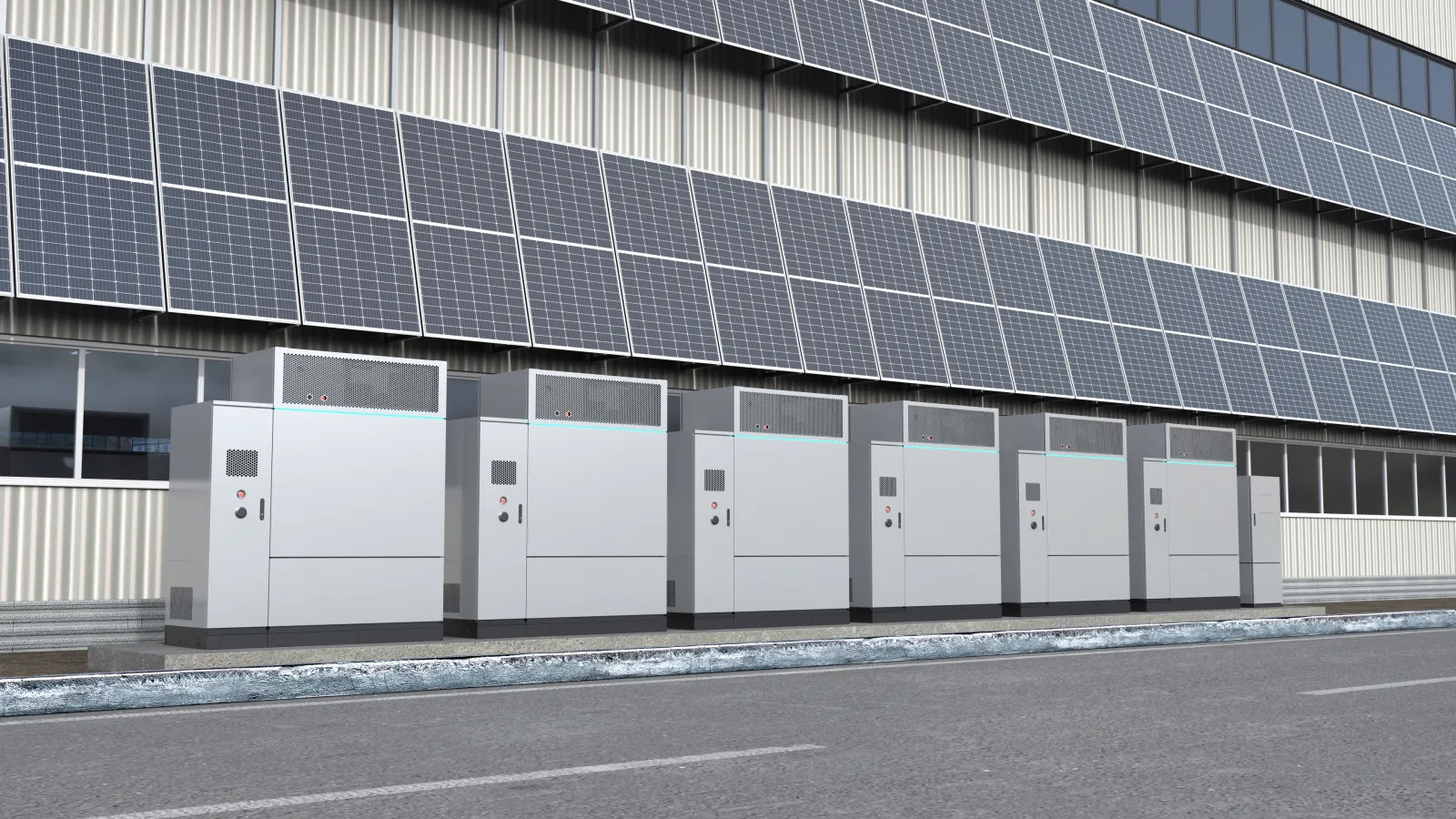
XCharge, the Hamburg-headquartered EV charging supplier listed on Nasdaq (XCH), is stepping beyond its fast-charging roots. At ees Europe in Munich this week, the company unveiled GridOne, an all-in-one photovoltaic and energy storage system (PV-ESS) aimed at commercial and industrial sites. The move signals a deliberate pivot from single-product infrastructure provider to integrated energy platform, and it arrives at a moment when Europe's grid constraints are turning energy storage from a nice-to-have into a commercial necessity.
GridOne combines 125 kW of power-conversion capacity, a 215 kWh lithium iron phosphate battery, and an optional 50 kW solar MPPT input in a single cabinet. It supports both grid-tied and off-grid modes, making it usable for peak-shaving, solar self-consumption, EV load buffering, and backup power. Connectivity spans Ethernet, Modbus TCP/RTU, RS485, CAN, and OCPP 1.6J, which allows the unit to integrate directly with XCharge's existing charger estate, a detail that matters for operators already running its DC fast chargers.
From charger vendor to energy platform
Co-CEO Albina Iljasov framed the launch as a logical extension rather than a departure: "We come from the fast-charging infrastructure sector and know from practical experience how closely charging power, grid connection, energy availability and operating costs are linked. GridOne helps operators use energy more flexibly, reduce peak loads and operate charging infrastructure economically even where grid capacities are limited."
The strategic logic is clear enough. High-power charging, particularly the 150 kW-plus DC chargers that XCharge supplies, creates sharp, short demand spikes that can trigger punitive grid-fee structures or require expensive connection upgrades. A co-located storage system that smooths those spikes turns a grid-cost liability into a managed operating expense. For charging park operators, the business case for bundled storage strengthens as electricity prices remain volatile and grid-access queues in markets such as Germany and the Netherlands continue to lengthen.
XCharge also cited its recent listing as a supplier to German utility-backed charging network EnBW as validation of its European traction, though it offered no figures on contract value or unit volumes.
The convergence play: where grid stress meets capital reallocation
The broader significance of XCharge's move extends beyond one product launch. Across Europe, the intersection of EV charging infrastructure and distributed energy storage is becoming a capital-allocation battleground. Grid operators, utilities, and independent charging networks are all competing to control the site-energy layer, the software and hardware stack that decides, in real time, whether electrons coming from the grid, a rooftop solar array, or a battery are dispatched to a charger, fed back to the network, or stored for later.
That layer is increasingly where margin lives. Hardware-only charging vendors face commoditisation pressure as Chinese manufacturers scale production; platform players that own energy management, storage, and charging in an integrated stack can charge for optimisation outcomes rather than boxes. XCharge's dual exhibition presence at ees Europe (storage) and the co-located Power2Drive Europe (charging) this week visually encodes that ambition.
For investors watching the space, the convergence of EV infrastructure with commercial-scale storage echoes moves made by larger players: Tesla's Megapack business grew partly on the back of its Supercharger network relationships; Fluence and CATL-backed storage integrators have similarly pursued the commercial and industrial segment. XCharge's addressable niche, sites with weak grid connections that need both fast charging and storage simultaneously, is real and underserved, particularly in Southern and Eastern European markets where grid modernisation has lagged EV adoption curves.
The company has not disclosed GridOne pricing, volume targets, or pipeline commitments beyond the EnBW relationship. Investors will be watching whether the product generates its own revenue line in upcoming quarterly disclosures, or whether it functions primarily as an attachment to charger sales.