
InterPro acquires K&K Prairie Recycling to close domestic steel loop
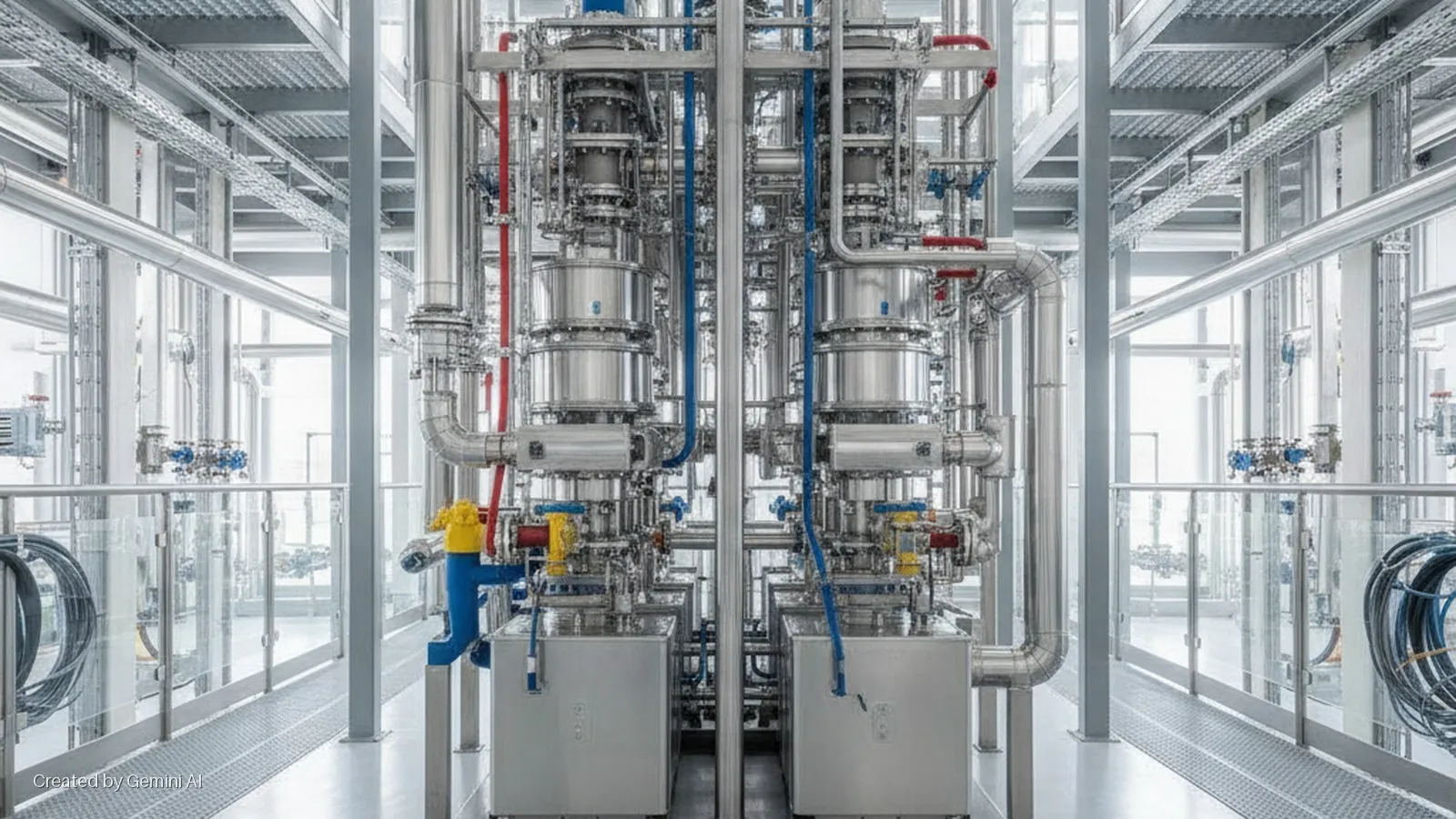
InterPro Pipe and Steel has completed the acquisition of K&K Prairie Recycling Services, a Camrose, Alberta-based scrap metal processor, bringing the entire feedstock chain for Canadian energy-sector steel production under a single corporate roof. The deal, announced on 31 July 2026, extends InterPro's vertically integrated electric arc furnace (EAF) model from raw scrap collection through to finished Oil Country Tubular Goods (OCTG), the specialised steel pipe used in oil and gas extraction and pipeline infrastructure.
InterPro describes itself as Canada's only producer of 100% domestically melted and poured steel for the energy sector. The acquisition of K&K, which will be rebranded InterPro Prairie Recycling Inc., is designed to deepen scrap feedstock security, expand the company's footprint in the Alberta scrap market, and provide headroom for future increases in melt capacity. K&K co-founder Tony Thomsen will remain as operational lead; founder Kevin Morgan transitions to an advisory role.
Vertical integration as an energy-security play
The strategic logic here is straightforward but worth unpacking for cross-sector readers. EAF steelmaking, unlike conventional blast-furnace production, is almost entirely dependent on recycled scrap metal as its primary input rather than iron ore. Controlling scrap supply is therefore functionally equivalent to an energy company controlling its upstream reserves: it determines cost, volume, and resilience. By bringing K&K's ferrous and non-ferrous collection, remote processing, decommissioning, and brokerage capabilities in-house, InterPro removes a key external variable from its production economics at a moment when Canadian industrial policy is placing renewed emphasis on domestic supply-chain integrity.
"We are the only fully domestic, melted and poured steel for the energy sector in Canada, and we are committed to keeping our operations from start to finished product 100% Canadian," said Doug Matthews, CEO of InterPro Pipe and Steel.
The macro read-across: resource nationalism meets circular manufacturing
The deal sits within a broader shift in Canadian industrial strategy that is attracting attention well beyond the prairies. Ottawa's push for energy independence and the political salience of "Buy Canada" procurement have created a more receptive policy environment for vertically integrated domestic producers in critical-materials sectors. OCTG, the product at the centre of InterPro's business, has historically been subject to intense import competition, particularly from Asian producers, making domestic supply continuity a live political and commercial question for pipeline operators and regulators alike.
For investors tracking critical-materials and reshoring themes, the InterPro model illustrates a pattern that is emerging across multiple commodity sectors: the combination of circular-economy feedstock control with downstream industrial manufacturing to create a closed-loop, nationally anchored supply chain. The EAF route also carries a materially lower carbon intensity than blast-furnace steelmaking, which gives the platform an additional sustainability credential as large energy-sector customers come under pressure to scope-three account for the embedded carbon in the steel they procure.
The acquisition is modest in disclosed scale: no transaction value was released, and K&K is a regional Western Canadian operator rather than a continental platform. However, the structural logic, locking up domestic scrap supply to protect an energy-critical manufacturing process, maps directly onto capital allocation conversations happening at a much larger scale in sectors from rare-earth processing to battery-grade lithium refining. For macro investors, the InterPro move is less interesting as a standalone deal and more interesting as an early data point in the consolidation of Canada's critical-industrial base ahead of what is shaping up to be a contested decade for North American energy infrastructure ownership.