
Baker Hughes acquires Chart Industries in $4bn energy convergence bet
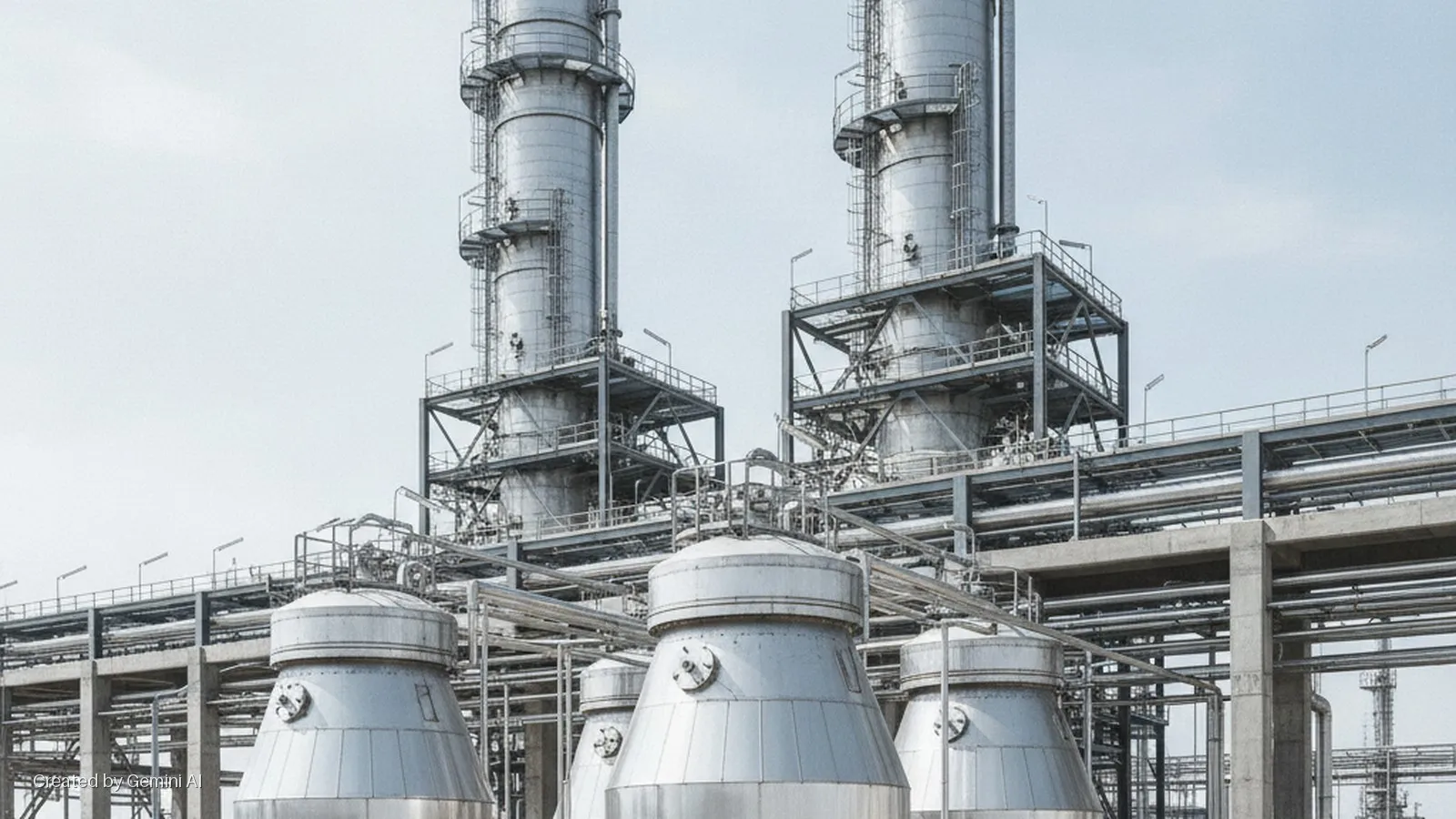
Baker Hughes (NASDAQ: BKR) has completed its acquisition of Chart Industries (NYSE: GTLS), folding the industrial equipment group into a new standalone reporting segment and targeting $325 million in annualised cost synergies within three years. The deal marks the most consequential structural shift at the Houston-based energy technology firm in years, and its timing signals something wider: the accelerating convergence of hydrocarbon infrastructure, clean-energy buildout, and the rapidly expanding industrial load created by data centres and nuclear.
Chart Industries brought $4.3 billion in revenue for fiscal year 2025 and operates across more than 50 countries. Its product suite spans air and gas handling, thermal management, and lifecycle services, with end-markets that include gas infrastructure, carbon capture and storage, geothermal, nuclear, and data centre cooling. That breadth is not incidental, it is precisely the cross-sector exposure Baker Hughes chairman and chief executive Lorenzo Simonelli has been assembling. "Chart's thermal management solutions bring complementary capabilities and aftermarket service offerings that accelerate our portfolio strategy," Simonelli said.
From oilfield services to industrialised energy platform
Baker Hughes' strategic intent here is legible: it is moving deliberately away from a pure oilfield-services identity, cyclical, commodity-correlated, margin-compressed, and towards a recurring-revenue industrial platform. The Chart acquisition adds a high-margin aftermarket services tail, which tends to trade at a structural premium to project-based engineering revenue. Baker Hughes has said it targets a net leverage ratio of 1.0x to 1.5x within 24 months, suggesting the balance-sheet ambition is to preserve optionality for further portfolio moves rather than simply service the acquisition debt.
Jim Apostolides, formerly Baker Hughes' chief infrastructure and performance officer, has been appointed segment leader for the Chart business. Apostolides has led integration planning since July 2025, and the company says early synergy capture will prioritise supply chain harmonisation, manufacturing rationalisation, and functional overhead reduction before moving to commercial cross-sell.
The convergence angle: where energy infrastructure meets the data economy
The most strategically interesting dimension of this acquisition is Chart's data centre exposure. Liquid cooling, cryogenic systems, and thermal management are no longer niche industrial products, they are critical infrastructure for hyperscale AI compute facilities, where heat dissipation has become one of the primary constraints on rack density and therefore on total compute throughput. Chart's presence in that market places Baker Hughes inside the AI infrastructure supply chain by a route most energy-sector analysts would not have drawn two years ago.
The nuclear angle is similarly forward-looking. Small modular reactor programmes in the UK, US, Canada, and several GCC states are advancing from policy commitments towards procurement. Chart's cryogenic and gas-handling capabilities are directly applicable to SMR cooling loops and hydrogen co-production systems attached to next-generation nuclear plant. Baker Hughes, with this acquisition, is now positioned to bid across both the upstream and downstream equipment needs of the SMR buildout.
For cross-sector investors, the deal also highlights an emerging capital reallocation trend: large-cap energy companies are using their balance-sheet strength and long-cycle project expertise to colonise adjacent industrial verticals that pure-play industrials or technology firms cannot serve as credibly. General Electric Vernova, Honeywell's planned spin-out of its advanced materials businesses, and now Baker Hughes all reflect the same underlying logic. The legacy boundaries between energy equipment, industrial automation, and digital-infrastructure hardware are dissolving, and the acquirers who move earliest stand to capture the most durable aftermarket revenue streams as the energy transition creates a decades-long reinvestment cycle across grid, generation, and compute infrastructure.