
Aemetis India unit begins $17m biodiesel deliveries to state oil firms
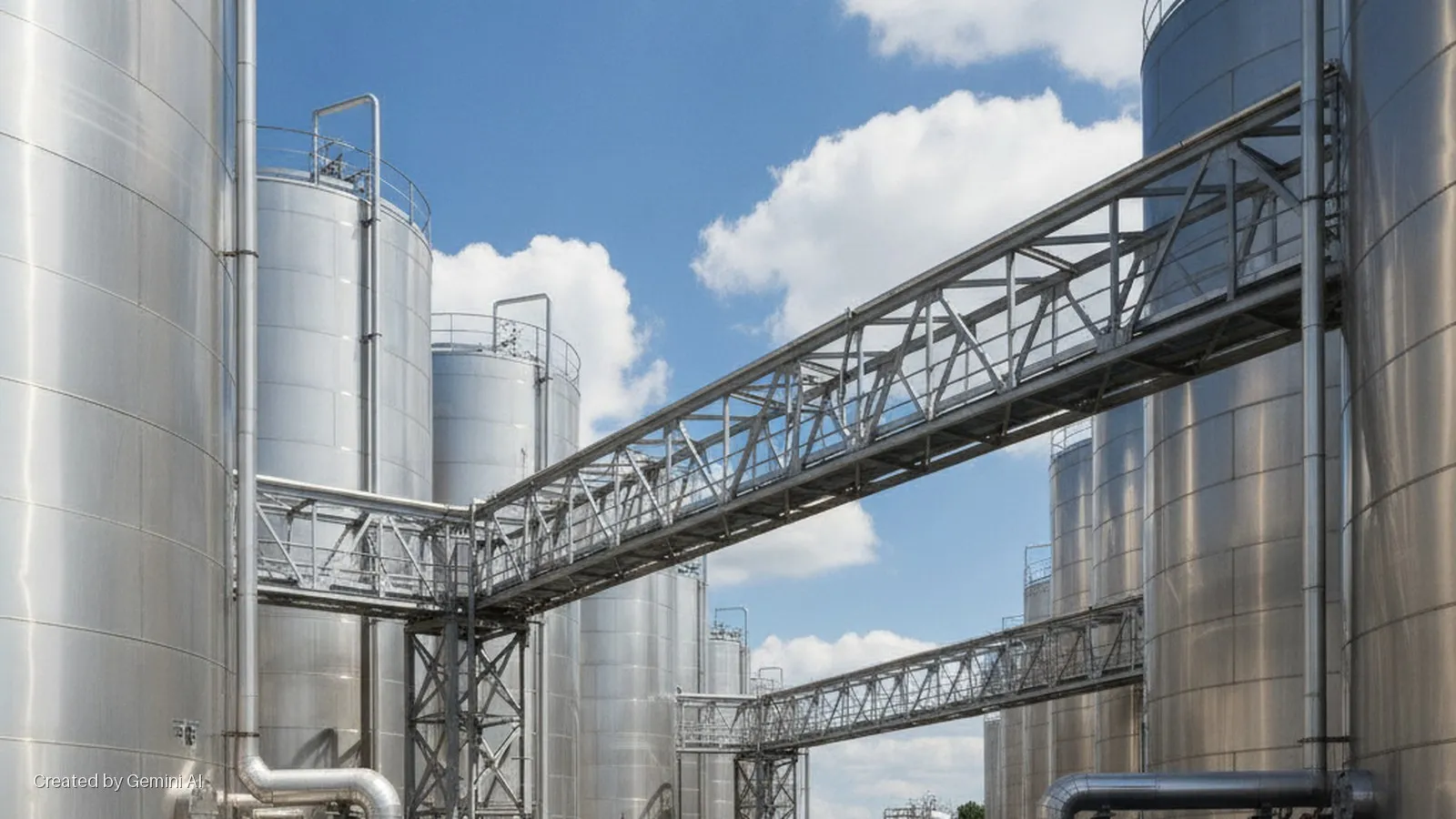
Aemetis, the California-listed renewable fuels group, has activated its India subsidiary Universal Biofuels to fulfil a state-allocated biodiesel contract worth approximately $17 million over three months. The allocation covers more than 18 million litres delivered to India's three government-owned Oil Marketing Companies (OMCs), the distribution arms that supply the country's fuel retail network. The move connects a US-listed bioenergy play directly to India's sovereign blending mandate, a policy lever the government is tightening as crude import costs put sustained upward pressure on domestic diesel prices.
Universal Biofuels, which has operated its Kakinada plant on India's east coast for over 18 years, is now running at approximately 80 million gallons per year of production capacity. The plant uses a proprietary enzymatic process that the company says produces lower carbon-intensity biodiesel at reduced cost compared with conventional transesterification routes. Alongside biodiesel, the facility refines pharma-grade glycerin, a co-product with its own separate commercial market in pharmaceuticals and personal care.
India's blending push and what it means for biofuels capital
India's National Policy on Biofuels targets a biodiesel blend rate of 5% by 2030, up from roughly 1% today. Eric McAfee, Chairman and CEO of Aemetis, noted that repeated crude-driven diesel price increases have reinforced government commitment to that target, which translates to a blending volume the company describes as more than 1.2 billion gallons per year. For investors tracking energy-transition capital flows in emerging markets, that figure represents a structurally mandated demand floor rather than a discretionary green premium, making OMC supply contracts a more predictable revenue base than voluntary carbon markets or subsidy-dependent programmes in other jurisdictions.
The policy context matters beyond Aemetis itself. India's OMC allocation system, where state buyers distribute contracted volumes across approved producers, functions as a quasi-regulated offtake mechanism. It insulates qualifying producers from spot-market volatility to a degree, but it also caps margin upside and creates supplier concentration risk if government priorities shift. Universal Biofuels says it anticipates further OMC orders before year-end and is simultaneously supplying private commercial customers with distilled product, a diversification that reduces dependence on any single buyer tier.
IPO signal and diversification into SAF
The most strategically significant detail in the release, from a capital-markets perspective, is Universal Biofuels' disclosure that it is preparing for a potential minority-stake IPO on an Indian stock exchange, subject to market conditions. A domestic listing would give the subsidiary an independent valuation, access to Indian institutional capital, and greater operational autonomy, while allowing Aemetis to retain majority control. Indian public markets have shown appetite for clean-energy and renewable-fuel listings as environmental, social and governance mandates filter into domestic fund mandates, and a listing would put Universal Biofuels alongside a small but growing cohort of India-domiciled biofuels and cleantech names seeking local equity backing.
The subsidiary is also exploring diversification into sustainable aviation fuel (SAF), dairy biogas and ethanol across additional Indian locations. Each of those diversification paths carries its own regulatory and feedstock complexity, but the SAF angle connects directly to a global capital wave: airlines and airport operators across Asia-Pacific are under increasing pressure from ICAO's CORSIA framework (the international aviation carbon offset scheme) to secure long-term SAF supply agreements, and India-based production at competitive cost could attract offtake interest from carriers operating regional and international routes through Indian hubs.
For cross-sector investors, Aemetis's India operation illustrates a recurring pattern in the energy-transition trade: sovereign blending mandates in large emerging-market economies create durable, policy-backstopped demand that attracts both listed and private capital, anchors domestic production assets, and generates the feedstock and infrastructure know-how that adjacent sectors, notably aviation, need to meet their own decarbonisation commitments. The IPO preparation, if it proceeds, would be an early test of how that thesis prices in Indian public markets.