
Dassault Systèmes raises €1bn in bonds to fund Industrial AI push
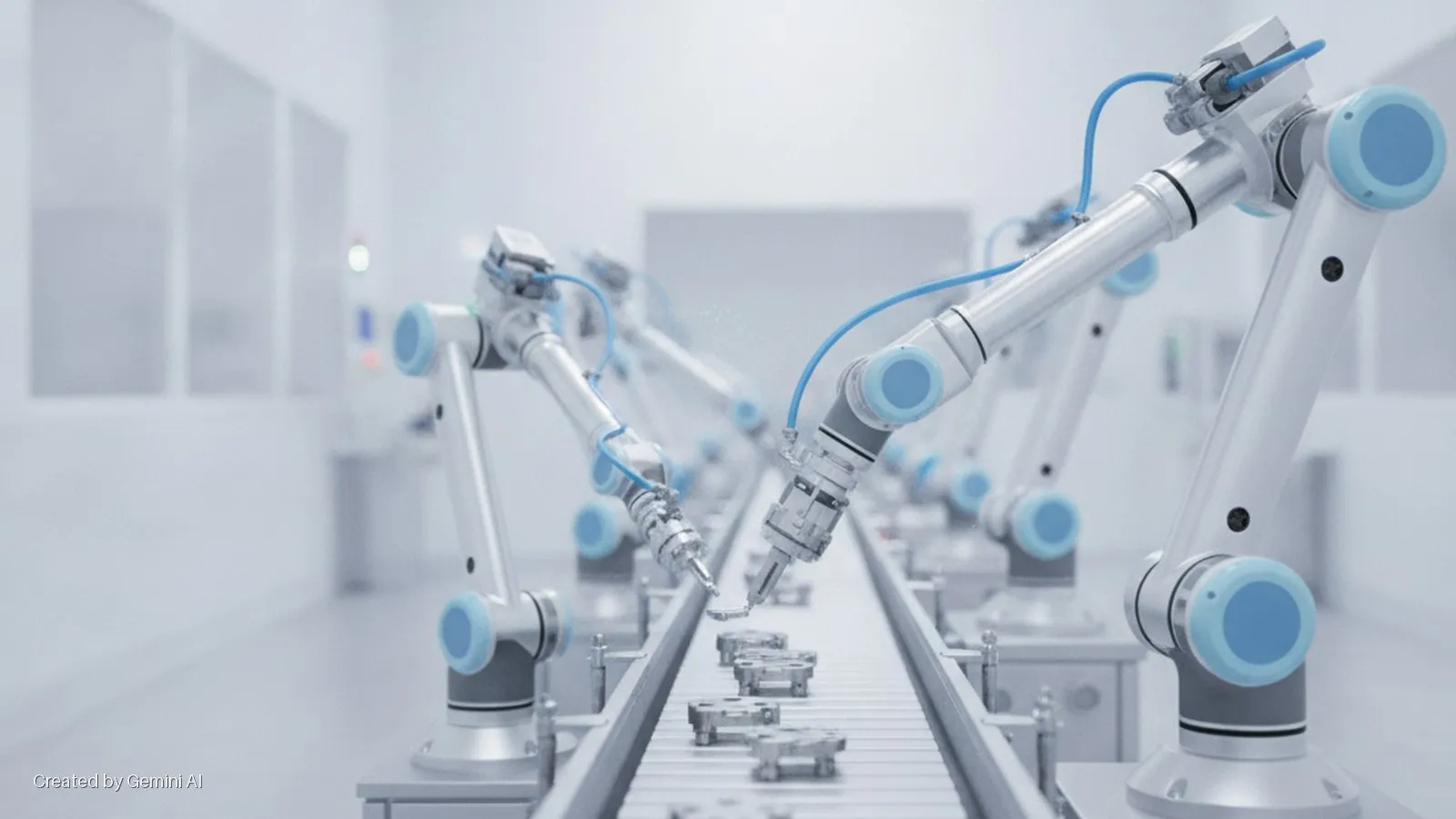
Dassault Systèmes, the French software group best known for its 3DEXPERIENCE platform and virtual-twin technology, has successfully issued a €1 billion five-year senior bond and simultaneously refinanced a €750 million revolving credit facility, with both transactions described as significantly oversubscribed by institutional investors. The proceeds will primarily refinance €900 million of near-maturing 0.125% notes due September 2026, while freeing capital to accelerate what the company calls its "Industrial AI roadmap" and its 3D UNIV+RSES platform strategy.
The bond carries an annual coupon of 3.375%, matures on 16 June 2031, and has been rated A by S&P Global Ratings, in line with Dassault Systèmes' existing corporate credit rating. A syndicate of eleven banks acted as coordinators or bookrunners, including BNP Paribas, Crédit Agricole CIB, JP Morgan, HSBC, and Deutsche Bank.
Industrial AI as the strategic frame
Chief Executive Pascal Daloz used the financing announcement to articulate a pointed strategic thesis: that the next phase of AI adoption in industry moves beyond large language models and requires what he calls "a scientific understanding of products, processes, biology, materials and manufacturing systems." Dassault Systèmes, he argued, has spent four decades building precisely that foundation through its Virtual Twins and Industry World Models.
That framing is notable because it positions the company not merely as a legacy CAD and product lifecycle management (PLM) vendor, but as a contender in the emerging Industrial AI layer, which sits at the intersection of simulation, materials science, manufacturing operations, and increasingly, biological systems. Dassault's BIOVIA suite already serves pharmaceutical and life-sciences customers modelling molecular behaviour, meaning its virtual-twin architecture spans from jet-engine tolerances to protein-folding environments.
Cross-sector convergence read-across
For cross-sector investors, the more consequential signal is what the institutional oversubscription reveals about capital allocation trends in enterprise software. At a moment when AI infrastructure spending is visibly concentrating in GPU clusters and foundation-model training runs, the strong demand for a bond anchored in simulation and domain-specific AI suggests that institutional credit markets are beginning to price the "picks-and-shovels" layer of Industrial AI separately from hyperscaler compute plays.
The refinanced revolving credit facility, now extended to June 2031 with an accordion option of up to €500 million, provides meaningful financial flexibility. That optionality matters in a landscape where convergence deals, such as acquiring specialist biology-simulation or materials-AI capabilities, are becoming more frequent as pharmaceutical, aerospace, and advanced manufacturing customers push vendors for integrated AI-native workflows rather than bolt-on modules.
The broader capital landscape reinforces this read. Sovereign wealth and institutional investors across the GCC and Asia-Pacific have been expanding positions in deep-tech platforms that bridge physical and digital worlds, precisely because the Industrial AI thesis requires long-dated, patient capital rather than the short-cycle VC return horizons that suit pure-software AI plays. Dassault's A-rated, Euronext-listed bond is structurally suited to that investor profile.
What comes next
Dassault Systèmes is scheduled to release second-quarter 2026 earnings on 23 July, which will provide the first post-financing window into whether Industrial AI demand is translating into accelerating contract signings across its key verticals: aerospace, life sciences, and high-tech manufacturing. A Capital Markets Day on 17 November 2026 is the more strategically significant date, when the company is expected to put detailed numbers around the 3D UNIV+RSES roadmap and the pace of customer migration onto AI-native virtual-twin workflows.
For observers tracking the convergence of AI with physical-world simulation, the key question is whether Dassault can convert its deep domain moats in PLM and molecular modelling into recurring AI-platform revenues before cloud-native competitors, including Ansys-under-Synopsys and emerging Materials AI startups, erode the installed-base advantage that makes its bond investors so confident today.