
Telnyx launches owned GPU cluster in Dubai for MENA sovereign AI
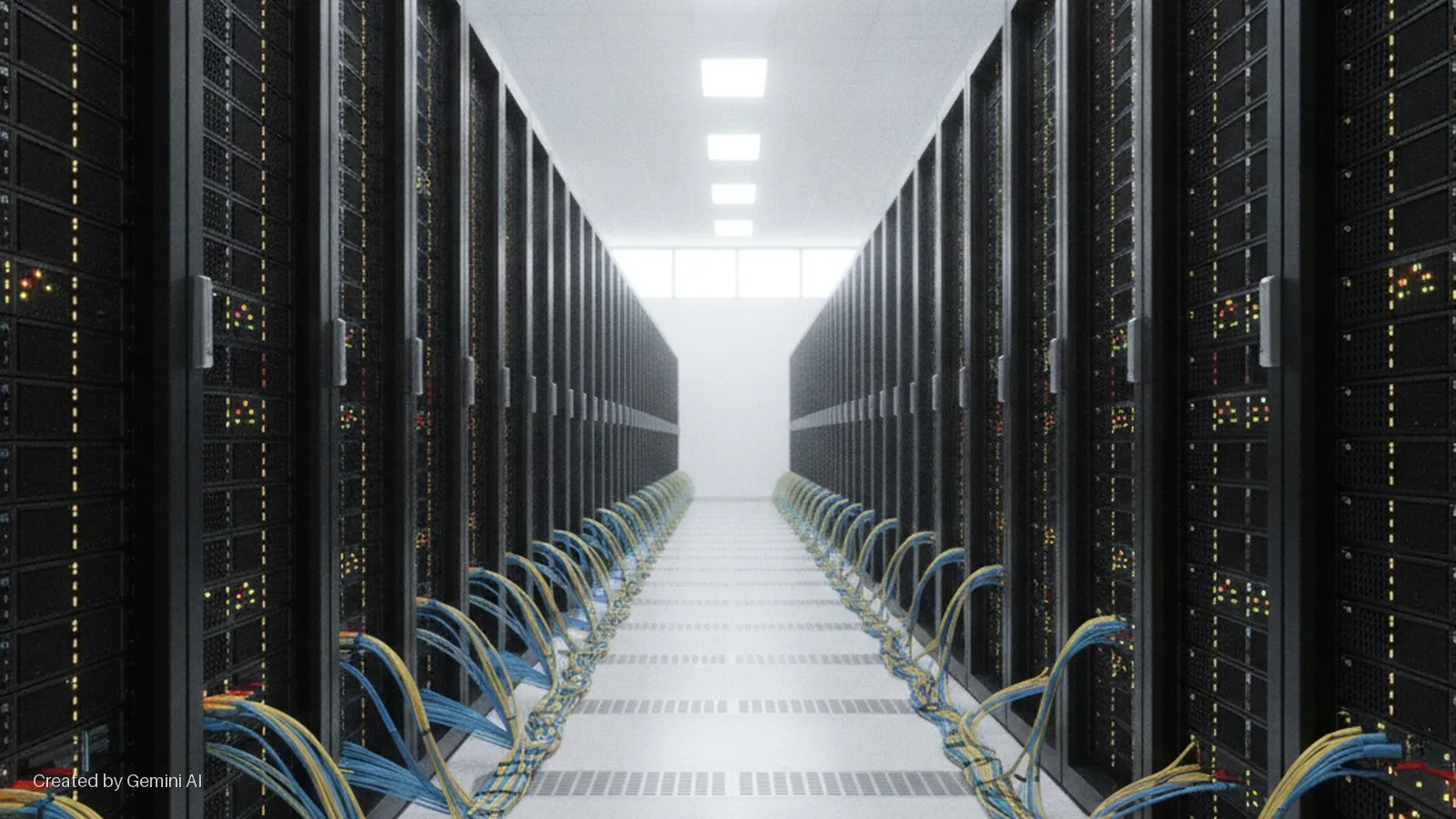
Telnyx, the Austin-based communications infrastructure company, has switched on a GPU cluster in Dubai that it owns and operates outright, bringing sovereign inference compute to the UAE under a single contract and API. The move is a direct response to tightening data-residency requirements across the GCC, and positions Telnyx as an alternative to the hyperscaler-and-patchwork-vendor model that has made compliance a bottleneck for enterprises deploying AI in the region.
The launch matters beyond the Middle East. It is one of the clearest examples yet of how the global AI infrastructure race is fragmenting along sovereignty lines: compute is no longer just a cost question, it is a jurisdiction question. Where data lives, and who controls the metal it runs on, is now a board-level compliance constraint in banking, healthcare and government, and the GCC is one of the most demanding regulatory environments in the world.
Sovereign compute as a competitive wedge
What distinguishes Telnyx's move from a standard regional cloud expansion is the ownership model. Most inference providers, including many sovereign cloud offerings, operate on leased capacity from hyperscalers or colocation providers. Telnyx says it has built its own private global network from fibre to GPU since 2009, and the Dubai cluster follows that model. CEO David Casem put it plainly: "Most inference providers rent their compute capacity. We own ours, from the network to the GPU, and that is what enables enterprises to run real-time inference in Dubai, in-region by design, not by configuration."
The operational argument is specific. When speech-to-text, inference, and text-to-speech all run inside the same Dubai facility, Telnyx says round-trip latency stays below 500 milliseconds, the threshold the company identifies as the difference between a natural conversation and a stilted scripted exchange. That latency claim is relevant for the contact-centre and voice-agent deployments the company is targeting, and for the GCC's large financial-services sector, where real-time fraud detection and customer-operations AI are priority workloads. The platform operates against ISO 27701, SOC 2 Type II, HIPAA and PCI standards, the certification stack that regulated sectors typically require before AI touches sensitive data.
The convergence read-across: digital sovereignty meets capital reallocation
The Telnyx Dubai launch sits at the intersection of two macro forces that Disrupts readers are tracking closely. The first is the global push for digital sovereignty: governments from the UAE to India to the EU are moving from guidance to hard law on where data must reside and be processed. That regulatory shift is creating structural demand for infrastructure that is sovereign by architecture, not by configuration, and it is forcing enterprises to re-evaluate the single-vendor hyperscaler model they have relied on for the past decade.
The second force is the wave of Gulf sovereign capital flowing into AI infrastructure. Abu Dhabi's MGX, the UAE's technology investment vehicle, has taken stakes across the AI stack from chip design to model training. Saudi Arabia's PIF is deploying tens of billions into digital infrastructure under Vision 2030. Telnyx references UAE Vision 2031 explicitly, and while it is a private company rather than a sovereign-backed one, its Dubai launch is calibrated to ride the regulatory and capital tailwind that sovereign ambition creates. For multinationals and fast-scaling GCC enterprises alike, having a compliant, low-latency inference option that does not require stitching together separate vendors for compute, connectivity and compliance reduces the friction between AI ambition and regulatory clearance.
The broader investor question is whether the owned-infrastructure, full-stack model that Telnyx is advancing can compete at scale with hyperscalers that can absorb the capex of regional expansion across dozens of markets simultaneously. Telnyx serves more than 14,000 customers across 140-plus countries, which gives it a distribution base, but the GPU buildout required to match hyperscaler breadth demands significant ongoing capital commitment. As sovereign-compute mandates proliferate beyond the GCC into Southeast Asia and Africa, the companies that can replicate this owned-infrastructure model at speed will define the next geography of the AI infrastructure market.