
TOP Ships cancels Dubai property deal, pivots $23.5m to tanker fleet
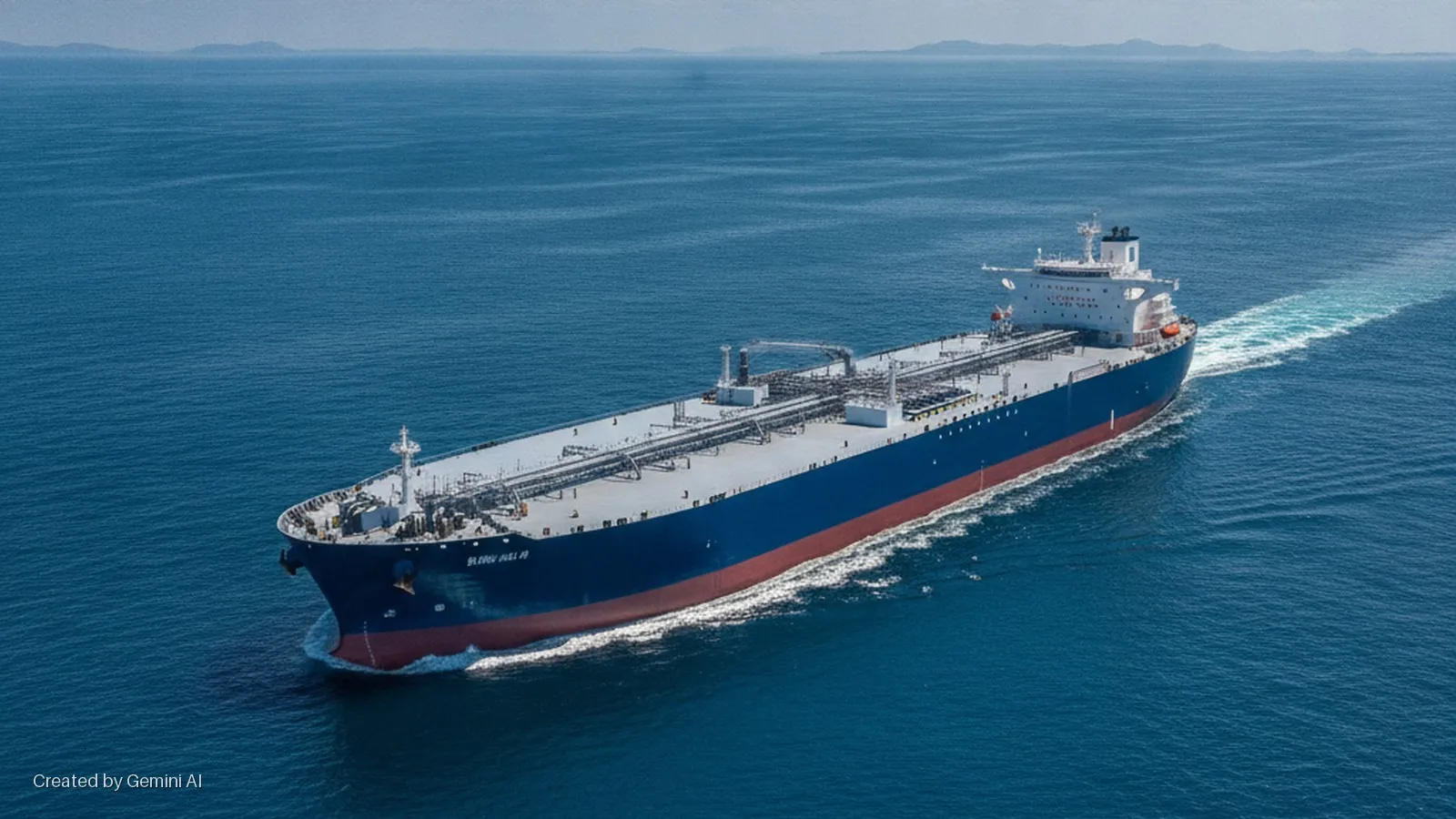
TOP Ships Inc., the Athens-based owner and operator of eco-rated tanker vessels listed on NYSE American, has walked away from a planned acquisition of a residential real estate portfolio in Dubai, returning $23.5 million in advance payments to its balance sheet and signalling a sharp strategic reset toward its core tanker business.
The company had announced a letter of intent for the Dubai asset purchase in November 2025. Its board's special committee of independent directors voted to cancel the option, citing two converging pressures: ongoing instability across the Gulf region and a renewed appetite to grow the tanker fleet rather than diversify into property.
Capital retreats from Gulf real estate
The decision carries a read-across that extends well beyond a single shipping company's balance sheet. Over the past 18 months, a cohort of maritime and logistics operators has explored real estate in Gulf free zones as an inflation hedge and a way to anchor operational infrastructure in the region. The same Gulf instability that prompted TOP Ships to pull back is now a variable other operators must price into similar cross-sector bets, particularly those sitting at the intersection of physical trade routes and real estate asset strategies.
Dubai's residential property market, which attracted significant international capital in 2024 and early 2025, has shown early signs of pressure as geopolitical risk premiums across the broader Middle East filter into buyer sentiment. For a company whose revenues depend on crude oil and petroleum product flows through regional waterways, holding illiquid residential property in the same geography as its operational exposure amplifies concentration risk rather than hedging it.
Tanker fundamentals draw capital back
The redeployment of the $23.5 million toward fleet expansion is a tactical signal worth noting. Tanker freight rates have remained volatile since 2024, shaped by rerouting flows linked to Russia-Ukraine trade disruptions, Red Sea shipping avoidance, and shifting OPEC production schedules. For independent tanker operators such as TOP Ships, each of those macro forces directly affects vessel utilisation and day-rates, making fleet scale a more legible lever than real estate diversification.
The broader capital landscape for mid-tier tanker operators is tightening. Larger players and private equity-backed platforms have been consolidating vessel capacity, and access to debt financing for eco-rated newbuilds remains contingent on ESG compliance metrics that favour modern fuel-efficient tonnage, precisely the niche TOP Ships occupies with its ECO fleet designation. Redirecting the Dubai advance toward fleet growth therefore aligns with both the company's competitive positioning and the capital-market preferences of institutional lenders who are increasingly tying ship-finance terms to emissions profiles.
The episode also illustrates a broader tension in cross-sector capital allocation: the Gulf's dual identity as both a trade infrastructure hub and a real estate investment destination creates category confusion for operators whose core business is the former. When regional instability rises, that confusion resolves quickly, the shipping asset wins over the property asset because it is the revenue-generating business, not the hedge.
For investors monitoring the tanker sector, the more significant question is how TOP Ships deploys the recovered capital. Fleet acquisitions in the current secondhand market carry their own timing risk, and the company's forward-looking statements are careful not to commit to a specific vessel or newbuild programme. The refund timeline and any fleet transaction announcement will be the next material data points to watch.