
Omnichannel payments market set to hit $108bn by 2031
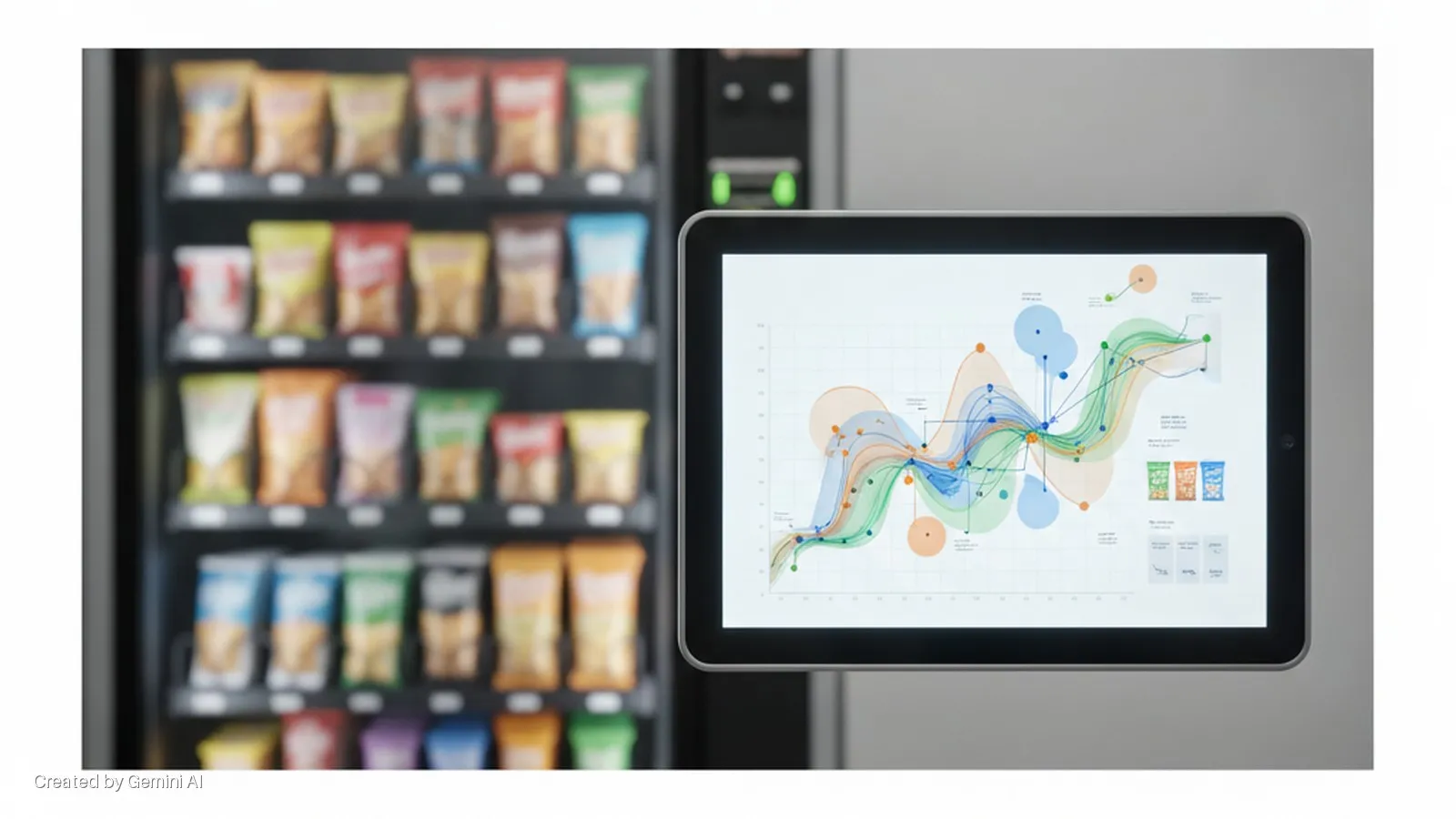
Omnichannel payment platforms are on course to generate $108 billion in annual global revenue by 2031, up from $56 billion in 2026, according to new market research from Juniper Research. The 57% projected growth over five years reflects a structural shift in how merchants manage commerce across physical and digital channels, with the leading platforms now competing less on transaction rails and more on the intelligence layered above them.
The Juniper Research report, which covers more than 48,000 datapoints across 71 countries, identifies Stripe, Worldpay, PayPal, Square and Adyen as the top five platforms in its 2026 Competitor Leaderboard, ranked on criteria including channel coverage, feature breadth and forward business prospects.
Data as the new competitive moat
The report's central finding goes beyond revenue headlines. Analyst Michael Greenwood argues that "payment data is evolving from an operational by-product into a source of value," and that the leading platforms "are already delivering data-driven value to their clients" through AI-powered analytics, loyalty programmes and personalisation. The implication is that merchant switching costs will rise sharply as platforms embed themselves deeper into operational data flows, not just the payment moment itself.
Integration with third-party enterprise systems is the near-term battleground. The report singles out ERP connectivity as a priority, noting that platforms which tailor their integration stack to the dominant software in a given market will gain the stickiest merchant relationships. For large retailers and hospitality operators already running complex multi-system environments, a payment platform that consolidates data feeds across point-of-sale, inventory and customer relationship management becomes, in effect, an operational backbone.
Convergence implications for retail, AI and enterprise software
The trajectory Juniper Research describes is not purely a payments story. As platforms accumulate richer merchant data, they are moving into territory traditionally occupied by enterprise analytics vendors and, increasingly, by AI application developers. A payment platform with a unified view of consumer behaviour across in-store, online and mobile channels holds training data that rivals what most stand-alone retail AI tools can access. That positions the category's leaders as potential infrastructure players in the agentic commerce stack, feeding autonomous pricing, inventory and promotional decisions in real time.
For investors and capital allocators, the convergence angle matters. The omnichannel payments space sits at the intersection of retail-technology modernisation, AI commercialisation and enterprise software consolidation. The five platforms named in the leaderboard are all publicly listed or institutionally backed at scale, and the research implies that mid-tier players face a squeeze as merchants consolidate onto fewer, more data-capable providers. That dynamic historically accelerates M&A, with larger platforms acquiring specialist analytics or loyalty vendors to close capability gaps quickly.
Geographically, the 71-country scope of the Juniper data points to material growth outside the mature US and European markets. Emerging-market merchants, particularly in South and Southeast Asia, have often bypassed legacy point-of-sale infrastructure entirely, meaning omnichannel platforms face lower switching-cost friction and can land integrated solutions faster. That dynamic could shift the competitive leaderboard ranking over the five-year forecast window, as regional players with deep local ERP and logistics integrations challenge the current Western incumbents.
Caveats and what to watch
The $108 billion figure is a Juniper Research projection, not reported revenue, and omnichannel payments forecasts are sensitive to macro assumptions about consumer spending, retailer capital expenditure cycles and the pace of AI adoption in commerce operations. Investors should treat the market-sizing numbers as directional. The more durable signal from this research is the strategic logic: platforms that own the data layer will command platform economics, and those that do not will be progressively commoditised on price.
The next inflection point to watch is how the leading five platforms report AI-driven revenue lines in their forthcoming quarterly results, and whether enterprise software giants such as SAP or Oracle respond with competing payment-native analytics capabilities of their own.