
RYET deploys YeeZo AIGC platform across 10 university labs in China
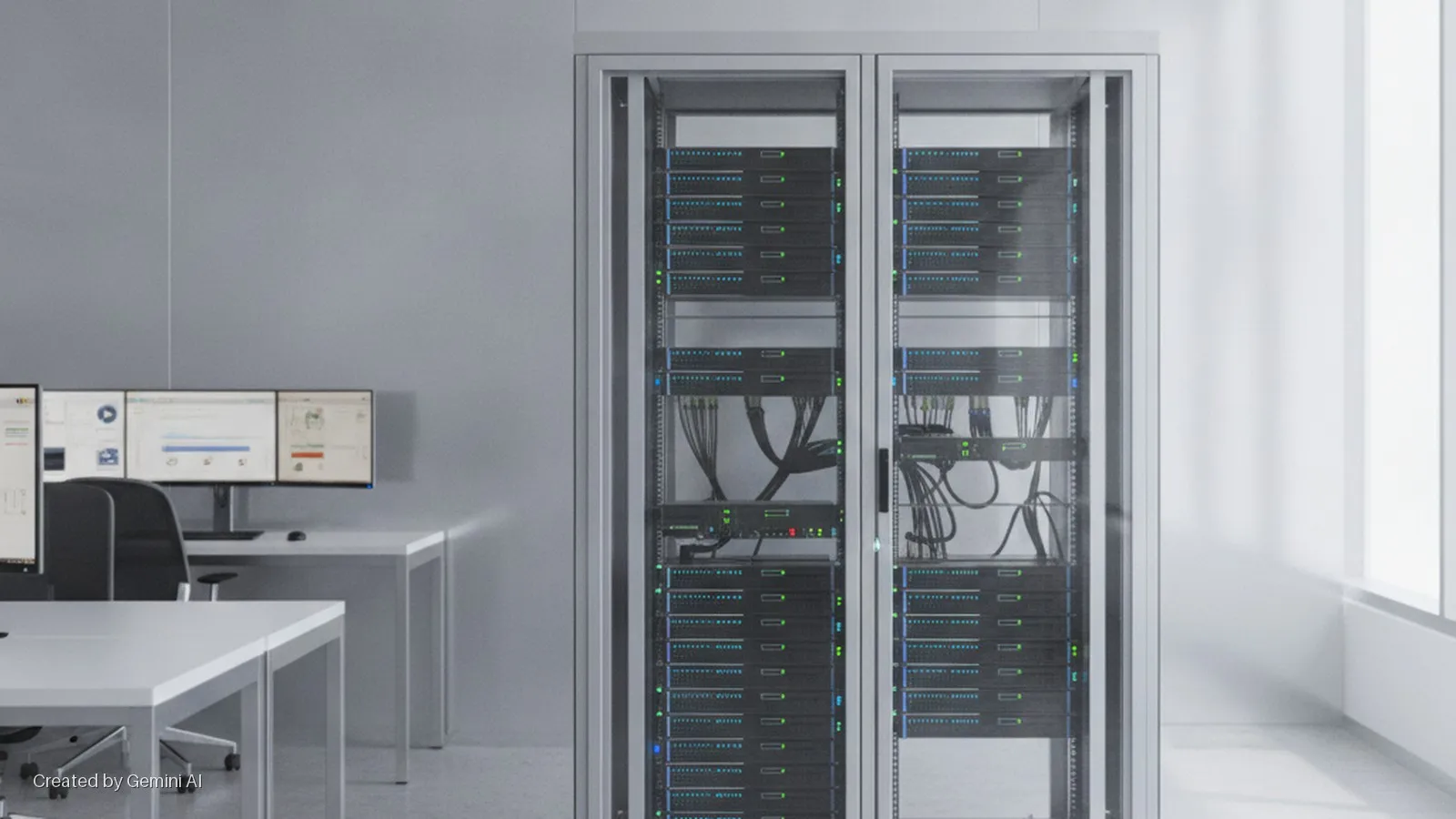
Ruanyun Edai Technology (NASDAQ: RYET) has signed a RMB5.99 million (approximately US$0.88 million) contract to deploy its YeeZo platform across ten AI-generated content (AIGC) vocational training laboratories in Jiangxi province, China. The client is Jiangxi Zhongtong Information Industry Data Services. The deal covers 610 workstations, installation, configuration, supporting infrastructure, and an ongoing platform service component, making it the first institution-scale commercial contract for YeeZo since its launch in May 2026.
The deployment signals a pivot in how edtech companies are commercialising generative AI tooling. Rather than licensing software alone, RYET is bundling compute infrastructure, installation services, and platform access into a single campus package, a model it intends to replicate across further institutions. The stated contract value is inclusive of VAT, and final settlement is based on actual installed quantities; the company notes that revenue recognition will depend on performance, customer acceptance, and applicable accounting standards.
From launch to lab in three months
YeeZo is positioned as a workflow and orchestration platform for AI content production, covering storyboarding, script analysis, character and scene management, visual-asset creation, and shot planning. In practical terms, it converts traditional media-production curricula into structured, supervised digital pipelines that align student output with industry workflows.
The speed of commercial progression is notable. RYET introduced the platform in May, launched a university training programme in August, and has now contracted a ten-laboratory deployment. The company's longer-term ambition, described as a strategic target rather than financial guidance, is to extend YeeZo to up to 200 universities through phased anchor launches and network scaling. CEO Maggie Fu framed the contract's significance in terms of operating model assembly: "This contract brings the full operating model together: software, production infrastructure, platform access, implementation and support."
The Formind pivot and the international capital question
The YeeZo rollout sits inside a broader corporate repositioning. RYET is planning to transition toward the Formind Group identity, using its China base to build operating evidence before adapting products and partnerships for international markets. The company has set a strategic target of growing revenue from markets outside China to more than 50% of annual revenue by end-2027, a target that, if achieved, would represent a substantial reorientation of its revenue geography.
That ambition places RYET in a crowded field. The intersection of generative AI and institutional education is attracting capital from multiple directions: US-listed edtech platforms such as Duolingo and Coursera have moved aggressively into AI-native content pipelines, while Chinese education groups are pursuing dual-market strategies following Beijing's regulatory normalisation of the sector after the 2021 crackdown. RYET's NASDAQ listing gives it access to US capital markets, but its operational base and initial customer set remain firmly domestic, a gap that the Formind rebranding is designed to close.
For cross-sector investors, the more structurally interesting question is whether campus-scale AIGC infrastructure can follow the same replicable deployment logic as enterprise SaaS. The bundled hardware-plus-software-plus-support contract model RYET is piloting resembles the approach used by early cloud-managed-service providers: lock in the institution with infrastructure, then build recurring revenue through platform renewals and expanded user counts. If YeeZo's unit economics at the ten-laboratory level support that thesis, the model has read-across implications for the broader EdTech-meets-AI infrastructure space, and for how sovereign and institutional capital in markets such as the GCC and Southeast Asia might fund localised deployments.
The immediate financial contribution from the Jiangxi contract is modest relative to RYET's ambitions, and the company has been explicit that no revenue from the contract has yet been reflected in its financial results. The strategic value lies in what the deployment proves operationally, not what it delivers to the income statement this quarter.