
Aleta launches Hello Kitty Visa debit card in Singapore
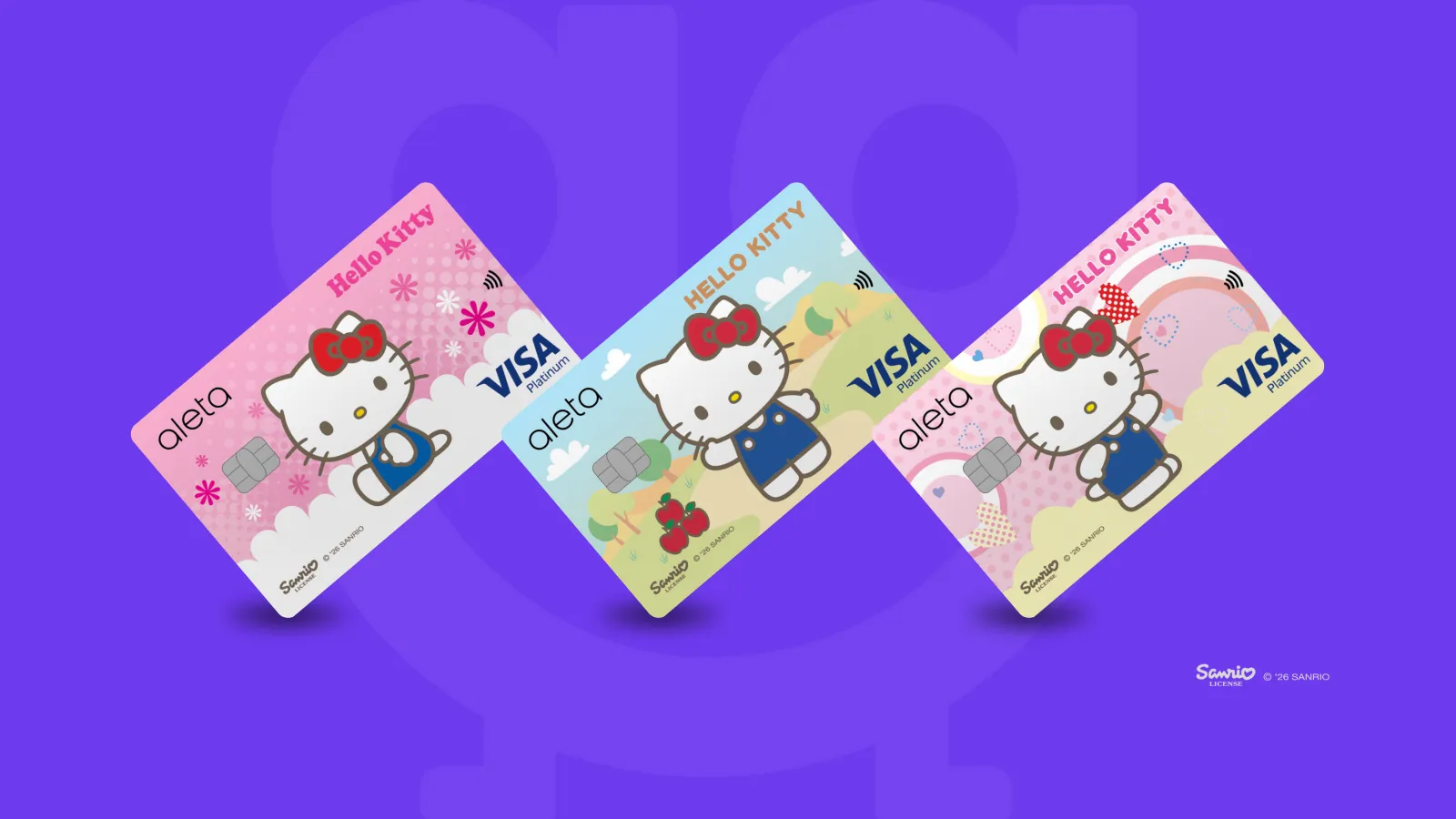
Singapore-based payments company Aleta has launched a limited-edition Hello Kitty Visa debit card, the second instalment in a three-part Sanrio character series that the company says is doubling as a showcase for its underlying card-issuance infrastructure. A total of 9,000 physical and virtual cards are available, alongside a lucky-draw tier of 300 metal cards for top-spending customers.
The move follows what Aleta describes as a faster-than-expected take-up of the first card in the series. Its Cinnamoroll-themed Visa debit card, launched in June 2026, reached full sign-up within 45 days across its own 9,000-card allocation. The company expects the Hello Kitty variant, which carries multi-generational brand recognition given the character's 1974 origin, to outperform that figure.
IP as a distribution channel
The cards are priced at S$18 each and ship with a bundle of lifestyle perks: a five-year fee waiver, limited-edition merchandise, and eSIM data. Cardholders accumulate spend points redeemable against Sanrio-branded goods and experiences, with a trip to Sanrio Puroland in Japan as the headline prize. Ten percent discounts apply at Sanrio Shop outlets in Singapore.
The geographic reach of the card's scan-and-pay feature is also expanding. Aleta's QR-code payment capability, which allows cardholders to pay at local QR terminals overseas at zero foreign exchange fee, currently covers China. South Korea and Vietnam are being added with this launch, and Japan is scheduled to follow in November when the third character, Kuromi, completes the series.
BIN sponsorship: the commercial layer beneath the collectible
The consumer product is, in Aleta's own framing, at least partly a marketing vehicle for a different revenue line. The company operates a Visa BIN (Bank Identification Number) sponsorship business, under which it lends its Principal Member status to enterprises that want to issue their own branded Visa debit cards without navigating the full accreditation process independently. Aleta says the Cinnamoroll launch generated a measurable uptick in inbound BIN sponsorship enquiries.
The BIN sponsorship model is a B2B play sitting beneath the consumer-facing collectible series. By acting as the licensed intermediary, Aleta can bring an enterprise client to market with a Visa co-branded or white-label card in as little as two weeks, the company says. That speed-to-market proposition has clear appeal in Southeast Asia, where regional fintech ecosystems are maturing rapidly but full Visa Principal Member licensing remains a significant operational and capital commitment for mid-market businesses.
For the cross-sector investor, the more significant signal here is structural rather than promotional. Consumer IP licensing, historically a retail and entertainment-sector dynamic, is being folded into payments infrastructure as an acquisition and brand-awareness tool. The model echoes what global neobanks have trialled with sports and entertainment co-brands in Western markets, but Aleta's approach leans into the cultural weight of Japanese character IP across Southeast Asia, a region where Sanrio's kawaii aesthetic carries demonstrable consumer spend conversion.
The broader question is whether the BIN sponsorship pipeline can be meaningfully scaled on the back of a consumer collectible strategy, or whether the two businesses will need to be separated as Aleta grows. The company operates across Singapore, Hong Kong, Dubai, Malaysia and Canada, and holds a Major Payment Institution licence from the Monetary Authority of Singapore. A third-character launch in November and the planned Japan QR expansion will provide the next data points on both consumer appetite and enterprise pipeline conversion.