
QCI brings next-day slot analytics to 100,000 casino machines
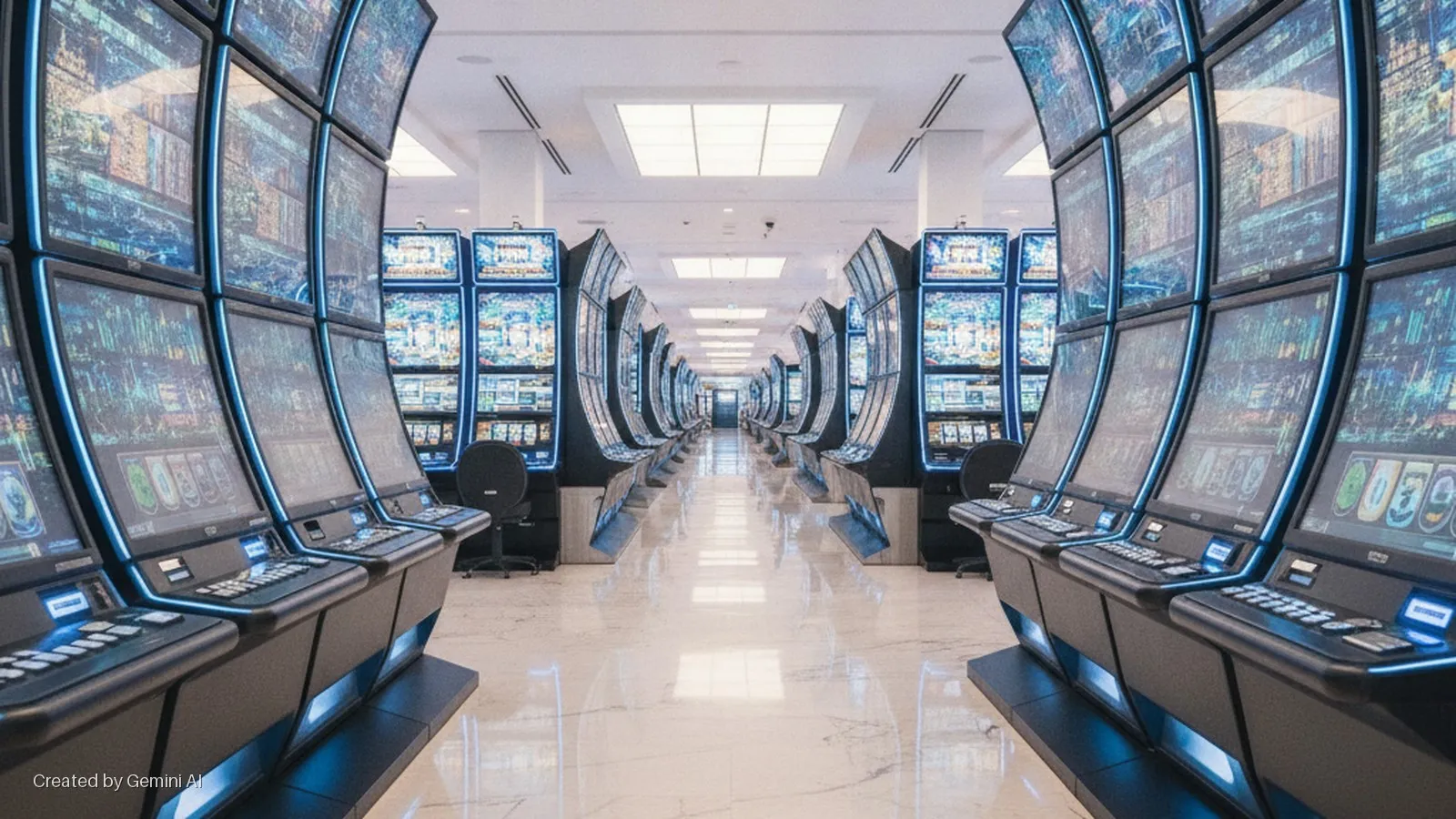
Quick Custom Intelligence (QCI), the San Diego-based technology platform deployed across more than 325 casino resorts in North America, Australia, and Europe, has expanded its QCI Metrics product to deliver next-day slot performance data drawn from nearly 100,000 gaming machines. The move compresses an industry reporting lag that has historically stretched to six weeks, a gap that rendered data useful for post-mortems rather than live operational decisions.
The update represents a meaningful shift in how casino resort operators can manage their slot floors. Where a floor director previously had to wait a financial quarter to evaluate whether a change in machine placement or theme mix was working, the new cadence shortens that feedback loop to days or less. QCI says the capability will extend to more than 100,000 machines once current rollouts are complete.
Closing the analytics gap in gaming operations
Beyond speed, the expanded Metrics product introduces what QCI describes as advanced theme-name normalisation: a standardisation layer that reconciles inconsistent game and theme names across different manufacturers and data sources. In a sector where hundreds of slot titles from dozens of hardware vendors coexist on a single floor, fragmented naming conventions have long undermined cross-property benchmarking. By creating a unified taxonomy, QCI is positioning the dataset as infrastructure rather than merely a reporting tool.
The data also feeds back into QCI Slots, the company's dedicated slot-management module, enabling operators to benchmark their own performance against the broader market. QCI's recommendation engine can then apply that aggregated industry knowledge to individual property decisions, a pattern familiar from retail and e-commerce personalisation stacks now migrating into hospitality and gaming.
"Having run a floor myself, I know the hard part was never the idea. It was waiting a quarter to find out if it worked," said David Jacques Farahi, Executive Chairman of QCI. "That loop used to take quarters. Now it can take weeks, or less."
The agentic operations angle
The release sits within a broader strategic frame that QCI is building in public. The company describes itself as an "agentically run technology business" in which agentic AI manages significant portions of its own internal operations, not merely the products it sells to customers. Its QCI Resorts platform covers hospitality, food and beverage, marketing, loyalty, guest engagement, and enterprise operations through a common AI layer, with gaming systems integrated alongside rather than replaced.
That architecture is worth watching beyond the casino vertical. The convergence of real-time operational data, large-scale normalisation pipelines, and agentic AI decision-making is precisely the stack that logistics, retail, and property management operators are also assembling. QCI's differentiation is that it is building this natively for a sector with unusually rich transaction data: the company's platform is said to support more than 42 billion dollars in annual gross gaming revenue across its customer base.
For cross-sector investors, the more consequential question is whether the agentic-operations model QCI is piloting inside a casino resort enterprise translates into a replicable playbook for other high-volume, multi-site hospitality and retail businesses. Capital has been flowing steadily into enterprise AI platforms that promise to collapse the distance between operational data and autonomous decision-making. QCI's next-day Metrics update is a relatively narrow product announcement, but it is evidence that the feedback-loop compression thesis is moving from proof-of-concept into production at scale.
QCI will demonstrate the expanded Metrics capability at the Global Gaming Expo (G2E) in Las Vegas from 28 September to 1 October 2026.