
TBC Bank Uzbekistan adds UZCARD to Salom debit card network
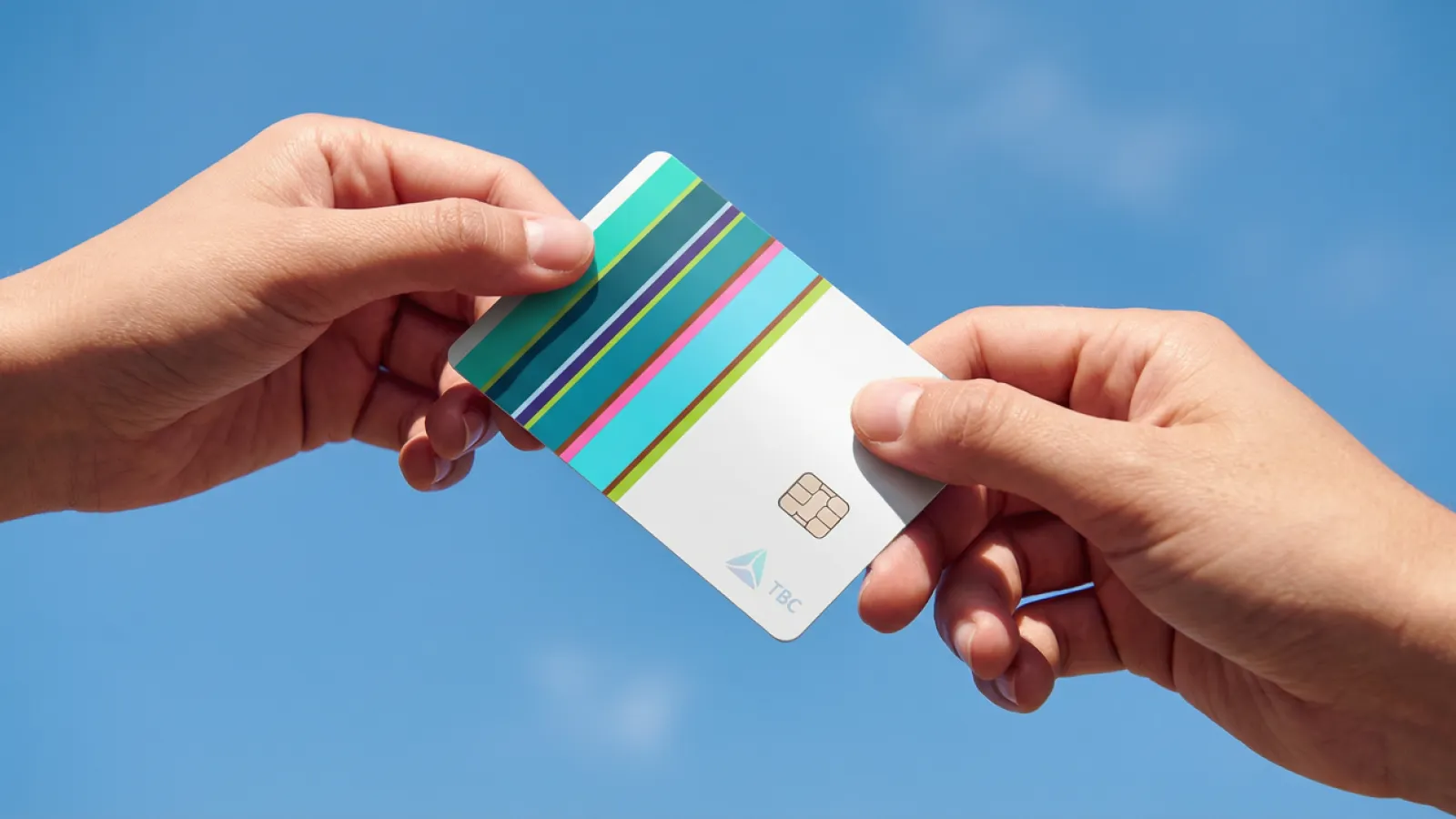
TBC Bank Uzbekistan has extended its flagship TBC Salom debit card through a new partnership with UZCARD, the domestic payments network that underpins much of Uzbekistan's retail financial infrastructure. The move adds a third card-network rail alongside the existing Humo and Visa issuances, and launches a first-phase target of up to one million new cards. It is a telling marker of how fast a consumer-banking franchise can scale in a market where digital financial services were barely a mass-market reality half a decade ago.
Since the TBC Salom card launched in late 2024, total issuance has risen more than tenfold to 1.2 million cards by the end of June 2026. The product leads with 12% annual interest on deposits, 5% cashback at partner merchants, free peer-to-peer transfers and free ATM withdrawals. The UZCARD variant adds one further differentiator: discounted fares on ATTO, the national fare-payment system that spans large parts of Uzbekistan's public transport network, turning the card into an infrastructure touchpoint as well as a financial one.
Domestic rails as competitive moat
The logic of adding UZCARD is architectural rather than purely commercial. By running Salom across all three major card networks in the country, TBC UZ is hedging against any single-network dependency while simultaneously deepening presence in everyday payment flows. ATTO integration is a deliberate ecosystem play: a card used for the morning commute, the grocery run and the peer transfer competes on habit as much as on product terms.
Spartak Tetrashvili, CEO of TBC Bank Uzbekistan, framed the ambition plainly: "Combining our unique digital expertise with UZCARD's payments system and ATTO's transport functionality, we have created a product that helps users handle more of their daily needs."
For TBC Uzbekistan as a group, Salom and its credit-card sibling TBC Osmon function as entry points into a broader ecosystem that stretches across lending, buy-now-pay-later, business banking, insurance and travel and ticketing. The group says it has reached nearly six million monthly active users and is profitable, making it an unusual specimen in emerging-market fintech: a digital bank that has achieved unit economics before its home market has fully saturated.
Central Asia as the convergence opportunity
The wider macro frame matters for investors tracking frontier digital-finance expansion. Uzbekistan's population of around 37 million is young, urbanising rapidly and historically under-banked, which means the card-issuance growth curve TBC UZ has posted, a tenfold rise in under two years, reflects genuine market penetration rather than share-gain from incumbents. That dynamic is scarcer than it looks: most high-growth fintech stories in developed markets are displacement plays.
TBC Bank Group is London-listed (LSE: TBCG), which gives Western institutional investors a direct equity window into Central Asian digital finance. CNBC and Statista have recognised TBC Uzbekistan as among the world's top fintechs, and the group claims the first such recognition from Central Asia. Whether that translates into sustained multiple expansion will depend on how quickly the Uzbek central bank's regulatory posture evolves alongside the private sector's ambitions: payments infrastructure at this scale increasingly attracts sovereign and regulatory attention.
For cross-sector observers, the UZCARD deal illustrates a pattern emerging across post-Soviet markets from Kazakhstan to Georgia: domestic payment networks, once state-adjacent monopolies, are becoming commercial partners for agile digital banks rather than bureaucratic gatekeepers. That structural shift opens a middle layer of infrastructure investment that sovereign-wealth and growth-equity capital has not yet fully priced.