
EssilorLuxottica and Meta push AI glasses into mainstream with Gen 3
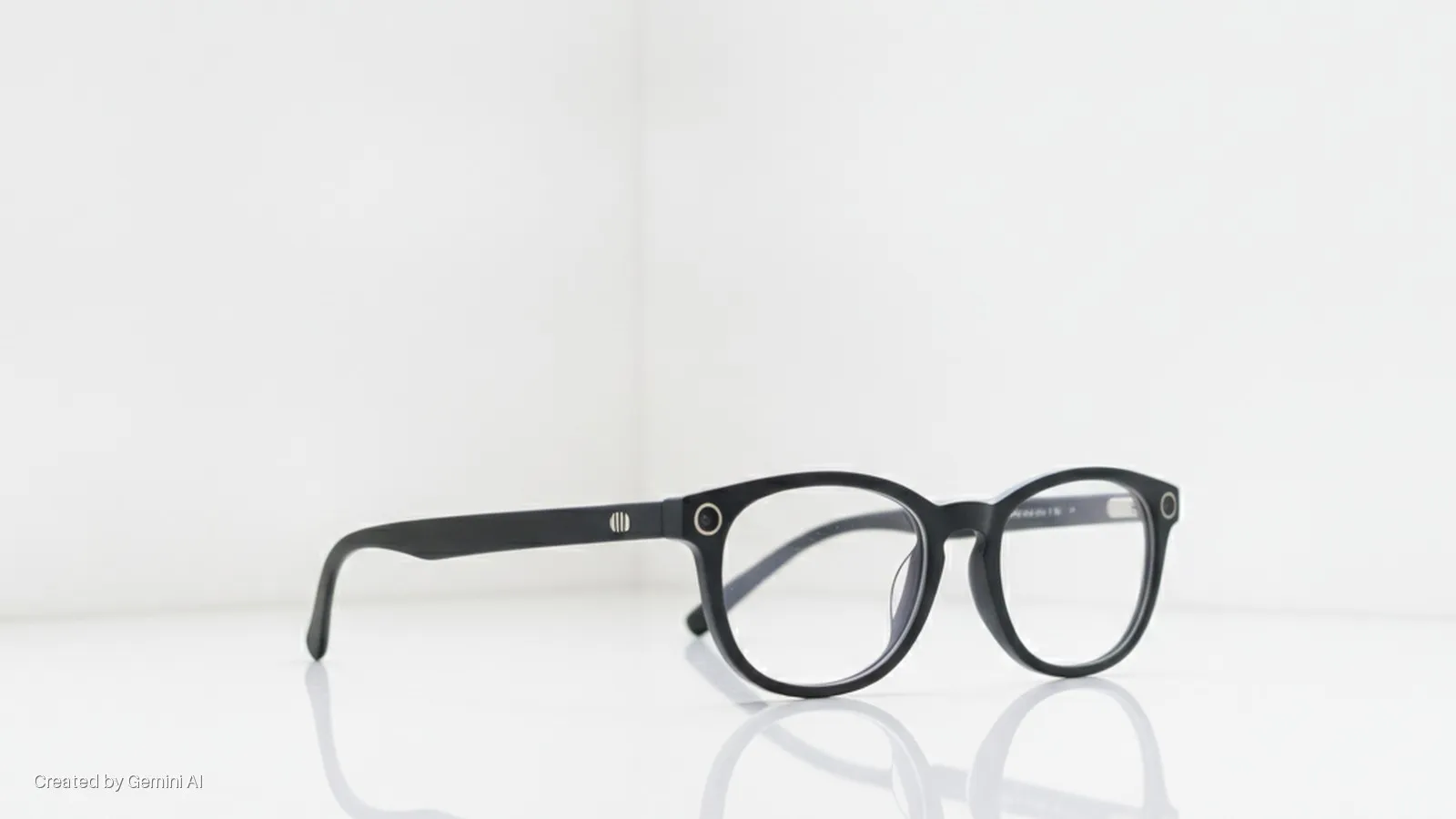
EssilorLuxottica and Meta Platforms have used the Meta Connect 2026 event to announce the most expansive update yet to their Ray-Ban Meta AI glasses line, a partnership that is quietly becoming one of the more consequential hardware bets at the intersection of consumer wearables, AI software, and optical retail.
The two companies unveiled three broad product moves: a camera-free audio-first line called Ray-Ban Meta Audio, a third-generation Ray-Ban Meta flagship, and two new Meta Glasses styles designed in collaboration with K-pop artist LISA. By the end of 2026, the combined portfolio is expected to exceed 100 distinct styles, spanning prescription-compatible frames, multiple price points, and an expanded geography that now includes markets across Southeast Asia, the Middle East, Southern Africa, and Oceania.
Hardware and software converge on the face
Ray-Ban Meta Audio strips the camera from the form factor entirely, keeping only the audio system and AI assistant. Weighing as little as 43 grams, the line launches in Clubmaster and Burbank silhouettes, both prescription-compatible. The move signals a strategic recognition that, for a meaningful segment of buyers, ambient sound without earphone isolation is a more compelling entry point than photography.
The Gen 3 flagship, by contrast, doubles down on the full-featured proposition: slimmer chassis, longer battery life, a customisable action button, and 27 colour and lens combinations. Notably, the Aviator silhouette enters the line for the first time in its 90th anniversary year, a calculated brand moment that broadens the appeal to a demographic not previously targeted by the smart-eyewear category.
On the software side, Meta is integrating Muse, its personal AI agent, across the glasses portfolio in the United States, handling hands-free tasks while the wearer stays physically present in their environment. A "private processing" feature is also en route later this year, a move that addresses one of the most persistent friction points for enterprise and privacy-conscious consumer adoption alike.
Perhaps the most strategically significant software addition is Hearing Enhancement, an FDA-cleared feature for adults with perceived mild to moderate hearing loss. Available via one-time payment or subscription, it converts a fashion-forward consumer device into a regulated wellness tool, blurring the boundary between consumer electronics and the medical-device sector.
Cross-sector read-across: wearables as healthcare infrastructure
The hearing-enhancement addition deserves attention beyond the product-launch context. Prescription eyewear already sits at the junction of retail and healthcare; adding FDA-cleared audio processing effectively repositions a Ray-Ban frame as a hearable medical device competing, at least partially, with the over-the-counter hearing-aid market that US regulators opened to consumer brands in 2022. For investors tracking the wellbeing and medical-device space, the EssilorLuxottica-Meta template, fashion brand as healthcare delivery vehicle, is a replicable model that broader optical and consumer-electronics incumbents will be watching closely.
The geographic expansion reinforces a second macro angle. Adding Poland, Portugal, South Africa, Indonesia, Thailand, the Philippines, Malaysia, Hong Kong, and New Zealand to the retail footprint is not merely a sales exercise. It reflects the broader race among Western technology platforms to embed AI-native hardware into emerging-market consumer ecosystems before local or Chinese competitors establish category ownership. EssilorLuxottica's existing optical retail infrastructure in these markets provides a distribution moat that a pure-play technology entrant would find costly to replicate.
For capital allocators, the partnership remains a rare live proof point of luxury consumer brand plus hyperscale AI platform generating a genuinely new product category at scale. As Francesco Milleri, EssilorLuxottica's chairman and chief executive, noted in the announcement, the companies have moved from the original Ray-Ban Stories five years ago to "a powerful assortment of AI glasses with strong consumer choice across brands, price points and tech features." The next question the market will ask is whether that assortment can sustain unit economics as the novelty premium fades and the category commoditises.