
Thunderhead and Zero Intensity target data centre power transparency
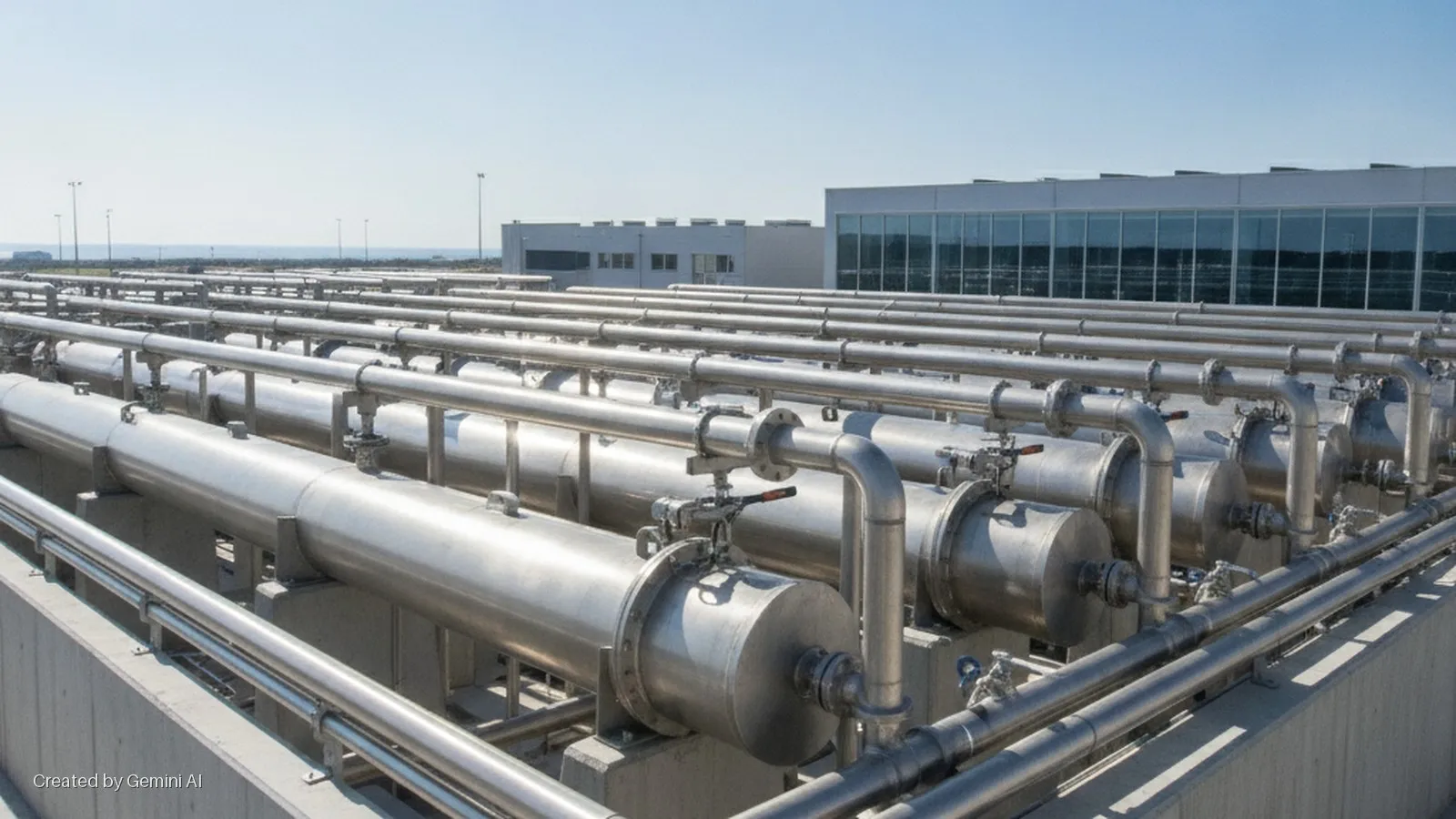
Thunderhead Energy Solutions and Zero Intensity have announced a strategic partnership aimed at bringing independent, verifiable accountability to the power infrastructure underpinning hyperscale data centres. The tie-up pairs Thunderhead's natural gas generation platform with Zero Intensity's Clean Compute service, which profiles a data centre's full operational footprint, from energy draw and water consumption to waste heat, air quality, noise, light and land use, both inside the fence line and upstream through the generation supply chain.
The partnership is a direct response to sharpening pressure on data centre operators from regulators, local communities and enterprise customers who are no longer satisfied with self-reported sustainability metrics. Thunderhead, a San Antonio-based developer backed by institutional infrastructure capital, builds dispatchable natural gas capacity for hyperscale operators. Zero Intensity provides the risk-and-transparency layer, drawing on what the company describes as more than a century of combined team experience across physical energy trading and capital markets.
From reliability to accountability
Brennan Zaunbrecher, CEO of Thunderhead Energy Solutions, framed the shift as a commercial imperative: "Our customers are rightly asking for more than reliable electrons. They want a credible account of how that power actually performs. Zero Intensity gives us the rigor and transparency to answer those demands."
The substance of what Zero Intensity brings is less a clean-energy certificate and more a financial-grade data infrastructure. Its proprietary Atlas scoring engine normalises data quality across exposure types, progressively migrating facility performance measurement from estimates toward persistent, auditable actuals. Where mitigations are pursued, say, offsetting water use or hedging noise impacts on local communities, Clean Compute is designed to match each mitigation as closely as possible to the relevant exposure in time, geography and quality, prioritising local solutions first.
David Tucker, CEO and co-founder of Zero Intensity, positioned the proposition in explicitly financial terms: "Data center power is not simply an input. It carries risk, volatility and potential value. Through Clean Compute, we identify, mitigate and optimise those exposures and, where possible, monetise them. Differentiation unlocks value."
Capital allocation and the compute-energy convergence
The strategic logic here sits at a significant cross-sector intersection. Data centre operators are under mounting capital pressure from two directions simultaneously: energy procurement costs are rising as AI compute workloads drive demand growth, while lenders, insurers and institutional equity investors are demanding more granular environmental and operational risk disclosure before committing capital or extending coverage.
Zero Intensity's move to build market infrastructure for what it calls "exposure markets", pushing bilateral trades toward transparent forward curves, points toward an emerging financial layer on top of physical power delivery. If such forward markets develop, data centre operators could eventually hedge operational externalities the way utilities hedge fuel price risk, creating new instruments for the infrastructure capital community.
For investors already active across energy infrastructure and digital infrastructure, this convergence is material. Sovereign wealth funds and large infrastructure managers have been deploying into both hyperscale data centre assets and power generation simultaneously, often in the same geographies. A credible, third-party data standard for compute-linked energy externalities would directly affect asset valuations, insurance pricing and refinancing risk across those portfolios.
Whether the Clean Compute framework gains traction beyond early adopters will depend on regulatory momentum. In the US, grid operators and state-level permitting bodies are increasingly scrutinising data centre power purchase agreements, and the European Union's Energy Efficiency Directive is already pushing operators in that jurisdiction toward more detailed operational reporting. A verifiable, normalised data layer of the kind Zero Intensity is building could become a prerequisite for approvals and financing in tighter regulatory environments, giving the partnership a longer commercial runway than a purely voluntary market would imply.