
Nanox drops 2026 guidance as imaging roll-out lag fuels going-concern
Nano-X Imaging (NASDAQ: NNOX) has withdrawn its 2026 revenue guidance and flagged substantial doubt about its ability to continue as a going concern, as the Israeli medical-imaging company reported a net loss of $14.3 million for the first quarter ended 31 March 2026. Revenue grew 53% year-on-year to $4.3 million, but operating cash burn of $14 million left the company with roughly $27 million in net cash by the time of this report's publication, a figure management concedes is insufficient to fund operations for at least twelve months under current plans.
The guidance withdrawal marks a significant pivot. Nanox had set a 2026 revenue target as recently as 20 April; it now says annual guidance is "not currently an appropriate tool" for measuring progress, citing the gap between signing commercial agreements and recognising revenue. Deployment timelines, site construction, import licensing and local regulatory approvals are all contributing to the lag between the company's commercial pipeline and its income statement.
Deployment reality versus commercial ambition
Nanox reports approximately 40 Nanox.ARC systems in various stages of deployment globally, with most not yet generating revenue. A further 21 systems are earmarked for the Nanox Imaging Network, a proof-of-concept initiative with Monarch Medical Management and Billing in the United States, focused on workers' compensation and specialised healthcare segments. The company also holds distribution agreements for around 360 capital-expenditure systems across the US over the next two to three years, a pipeline that has yet to translate into meaningful revenue recognition.
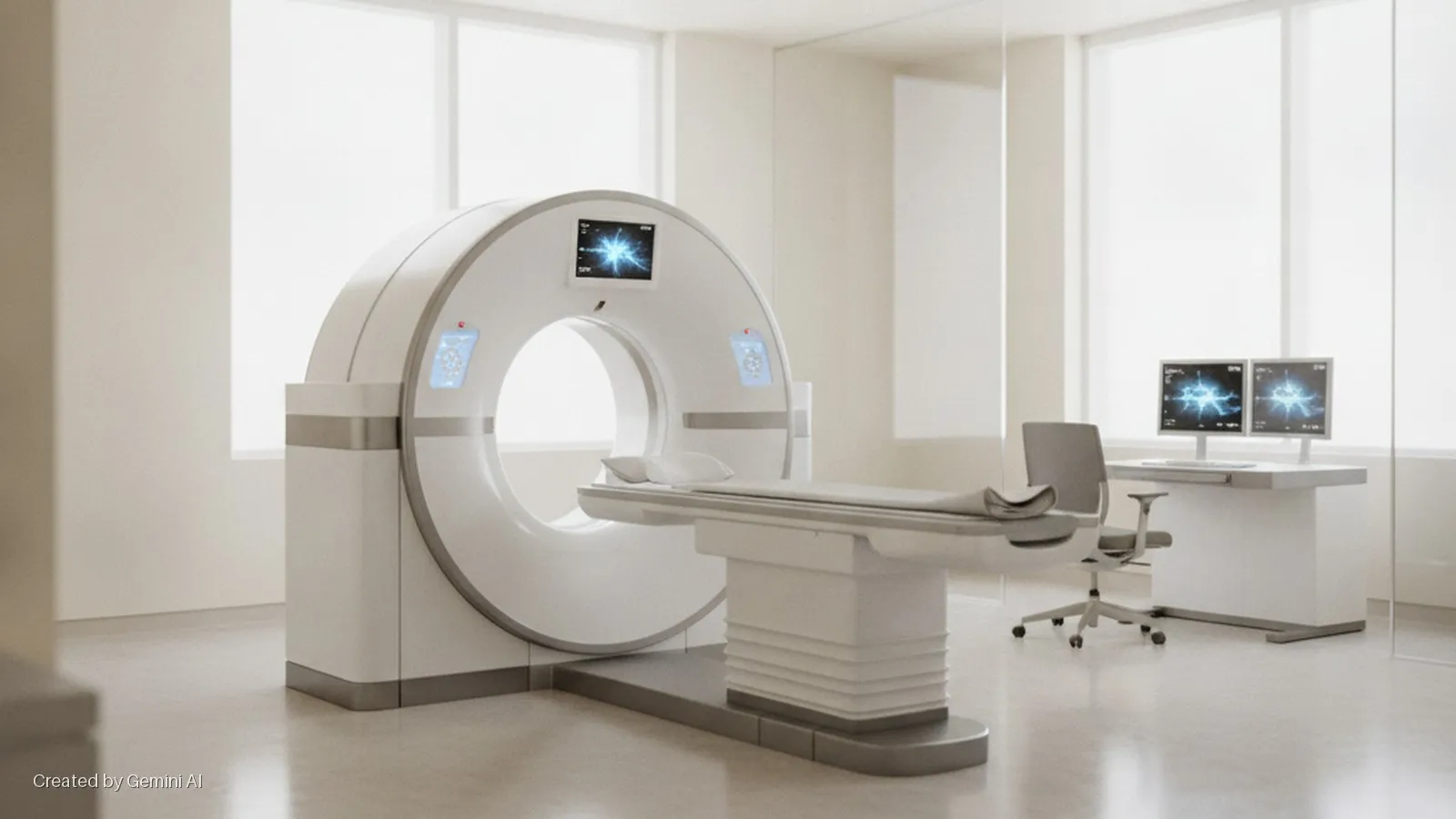
The most concrete commercial signal in the release is the integration of a Nanox.ARC unit into routine clinical workflow at a RadNet facility. RadNet is the largest outpatient imaging-centre operator in the United States, and the company is positioning this deployment as a high-visibility reference site intended to de-risk adoption decisions for subsequent buyers. Nanox is also advancing an AI-enabled cardiac solution in collaboration with Cedars-Sinai Medical Center, though the release offers no clinical data or timeline for commercialisation.
On the cost side, the company is evaluating restructuring options for its South Korean operations, ranging from an expanded consolidation to an outright sale or wind-down. A class action complaint filed in New Jersey in June 2026, alleging securities-law violations tied to disclosures about the Korea manufacturing facility, adds legal cost uncertainty to an already stretched balance sheet.
Convergence context: medtech meets capital scarcity
Nanox's predicament sits at the intersection of two macro forces shaping the medical-imaging and digital-health landscape. First, the commercialisation curve for hardware-plus-AI medtech platforms is proving substantially longer than the venture and growth-equity cycles that funded the build-out phase. Nanox has accumulated a deficit of $463 million since incorporation, funded almost entirely by equity issuance. With public-market appetite for pre-profit medtech under sustained pressure and the company explicitly seeking new private or capital-markets funding, the dilution risk for existing shareholders is material.
Second, the AI-enabled imaging stack that Nanox is assembling, hardware, cloud, teleradiology, AI analytics, health IT, mirrors the integrated platform architectures being pursued across digital health more broadly, from GE HealthCare to smaller challengers such as Nanox rival Sievert Larsen-backed startups in Europe and the Gulf. The strategic logic is sound: bundling a low-cost digital tomosynthesis device with AI triage and remote radiology services addresses real access gaps, particularly in emerging markets and outpatient settings. But the capital intensity of hardware deployment, combined with multi-stage regulatory clearance in each market, means the business model's unit economics are not yet visible at scale.
For cross-sector investors tracking the medtech-AI convergence, Nanox is a live stress test of whether the "platform" framing can survive the gap between commercial agreements and cash receipts. The next indicators to watch are whether management secures bridge financing before the third quarter and whether the RadNet reference deployment accelerates partner sign-ups under the NIN proof-of-concept. Until those data points arrive, the going-concern disclosure will dominate the investment narrative.