
sensiBel optical MEMS mic targets robotics and drone detection
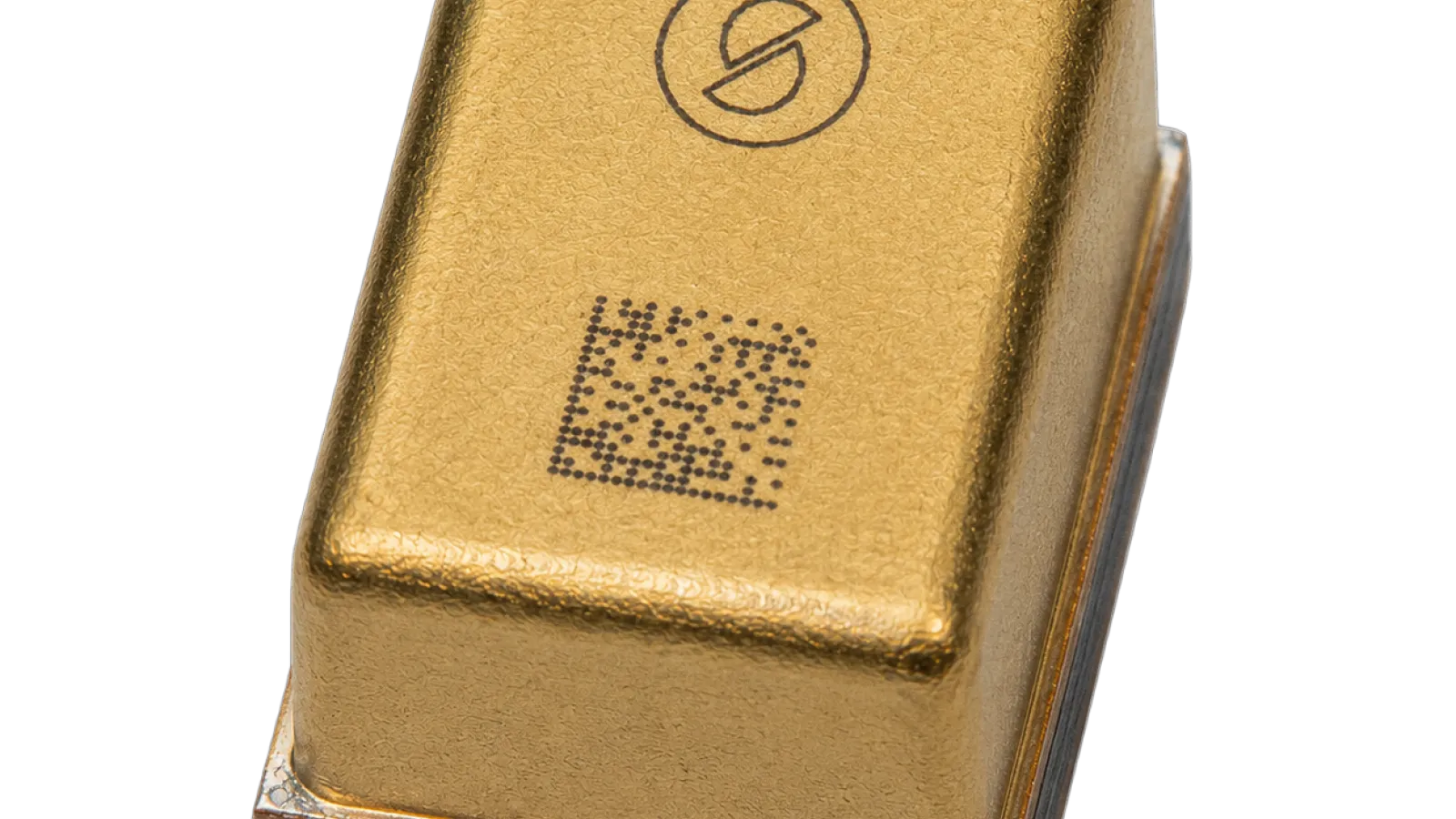
Oslo-based sensiBel has unveiled the SBM140B, an optical MEMS microphone it says sets a new performance ceiling for the category, combining an 84dBA signal-to-noise ratio with a 146dB acoustic overload point to deliver a 136dB dynamic range. The company argues no capacitive MEMS microphone currently on the market matches those figures, and it is positioning the component explicitly for markets where conventional sensors buckle: humanoid robotics, acoustic drone detection, beamforming arrays and high-precision measurement systems.
The device is sampling to select customers now and is scheduled for production in Q1 2027. sensiBel's existing SBM100B, which achieves an 80dB SNR and 132dB dynamic range, is already shipping across a range of customer applications.
What makes optical MEMS different
Where conventional capacitive MEMS microphones measure changes in electrical capacitance as a membrane flexes, sensiBel's optical architecture measures membrane displacement directly using light. The company says this removes the fundamental noise floor imposed by capacitive sensing and allows the device to handle very loud and very quiet acoustic signals simultaneously, without clipping or compression. For system designers, that means a single configuration covers everything from barely audible background signals to sudden high-intensity events, a critical constraint in drone-detection arrays and industrial measurement rigs that must function reliably across wildly varying acoustic environments.
"Taking full advantage of sensiBel's optical MEMS architecture, the SBM140B achieves an exceptionally low 10dBA equivalent input noise while simultaneously supporting extremely high sound pressure levels, all without clipping or compression," said Jakob Vennerød, co-founder and head of product development at sensiBel.
Convergence: where the component markets collide
The SBM140B's target application list is itself a map of where several high-growth hardware sectors are converging. Humanoid robotics, currently receiving record venture and corporate capital from players including Figure AI, Physical Intelligence and Tesla's Optimus programme, depends on precise acoustic sensing for spatial awareness and human-voice interaction in noisy factory or logistics environments. Drone detection, increasingly a defence and critical-infrastructure procurement priority across NATO member states, requires microphones that can isolate the characteristic acoustic signature of small unmanned aerial systems against high ambient noise backgrounds.
Both use cases sit at the intersection of frontier hardware and AI inference at the edge. Beamforming arrays, which the SBM140B is explicitly designed to improve, are a core enabling layer for AI-driven acoustic processing: the cleaner the raw signal chain, the more accurately a model can localise, classify and track a sound source in real time. Component-level improvements here compound through the full AI inference stack, reducing the compute load needed to correct for noise artefacts downstream.
Capital and supply-chain context
sensiBel is a Norwegian deep-tech company, which places it within the Nordic hardware-innovation corridor that has produced successive generations of sensor and acoustic IP. The MEMS microphone market has historically been dominated by capacitive players, with Knowles and TDK Acoustics as the scale incumbents and a cluster of fabless challengers competing on size and power. An optical architecture is a structural departure rather than an incremental refinement, and commercialisation at scale will depend on sensiBel's ability to secure qualified foundry capacity and design-win momentum before the larger players can respond with their own high-dynamic-range offerings.
The company's go-to-market approach, offering AURORA and POLARIS evaluation platforms compatible with both the SBM140B and the shipping SBM100B, suggests it is prioritising early design wins with system integrators in robotics and defence-adjacent sensing over immediate volume ramp. That is a logical sequencing for a deep-tech component startup: anchor customers in high-value, performance-critical verticals first, then use those reference designs to unlock the broader industrial and consumer audio markets where margin pressure is higher but volume is transformative.
For cross-sector investors watching the enabling-layer infrastructure beneath the robotics and autonomous-systems boom, precision sensing is an underappreciated dependency. The sensor stack that lets a humanoid robot or a perimeter-security drone-detection system actually perceive its environment is as strategically important as the model running on top of it.