
Embraer delivers first RECARO-fitted E175 to American Airlines
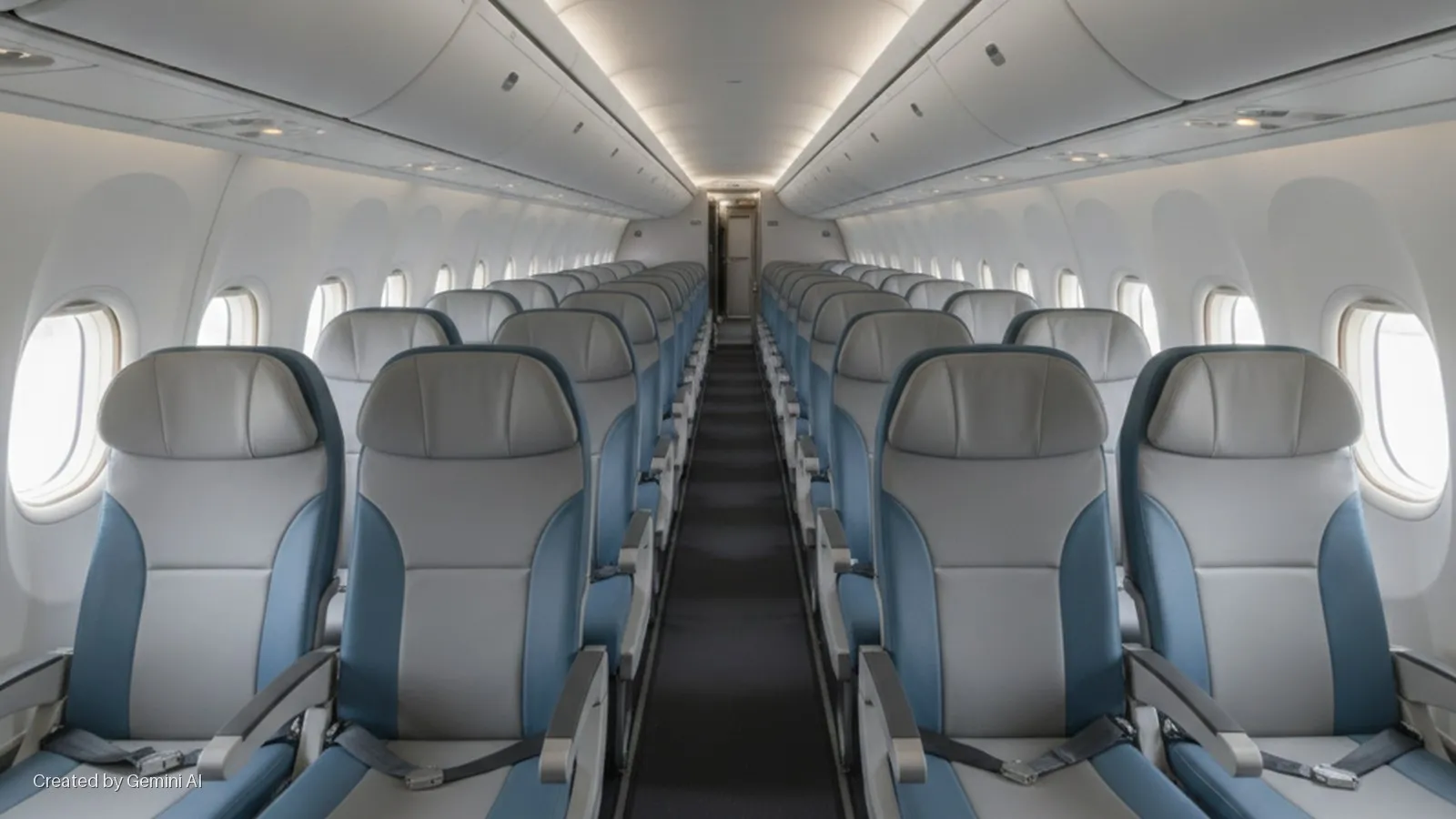
Embraer has delivered the first E175 regional jet fitted with new-generation RECARO slimline passenger seats to American Airlines, marking an incremental cabin modernisation step for one of North America's most widely operated regional aircraft.
The announcement describes a seat-profile change intended to improve knee room and aesthetics, bringing the E175's main cabin closer in feel to Embraer's newer E2 narrowbody family. American Airlines is cited as the first US carrier to introduce the RECARO configuration on the type.
What the release says
Embraer's commercial aviation chief Arjan Meijer framed the delivery as evidence of continued platform investment: "The introduction of our new RECARO seats demonstrates our commitment to investing in the platform and delivering enhancements that improve passenger experience while creating additional value for operators."
Beyond the seating change, the release references ongoing E175 upgrades including enhanced data connectivity and a next-generation weather radar, though no timelines, costs, or contracted volumes are attached to any of these items.
Why this is a limited Disrupts story
The press release does not contain the elements that would allow a Disrupts-standard convergence brief to be constructed without fabrication. There are no capital figures, no supply-chain or geopolitical angle, no cross-sector technology collision, and no macro-investor-relevant data point. The story is a regional-aviation product announcement routed through a seat-supplier relationship, closer to a trade note for an aviation-specialist publication than a convergence piece.
The broader regional-aviation market does carry genuine Disrupts angles: the competitive tension between Embraer and Airbus's A220 for US regional fleet replacement, the role of scope clauses in US pilot contracts in constraining regional jet size, and the question of how next-generation hybrid-electric regional aircraft (Heart Aerospace, Wright Electric) may erode the addressable market for incumbent platforms. None of those angles are supported by the source material here.