
PureCS and Dell unite to bolster UAE sovereign cybersecurity layer
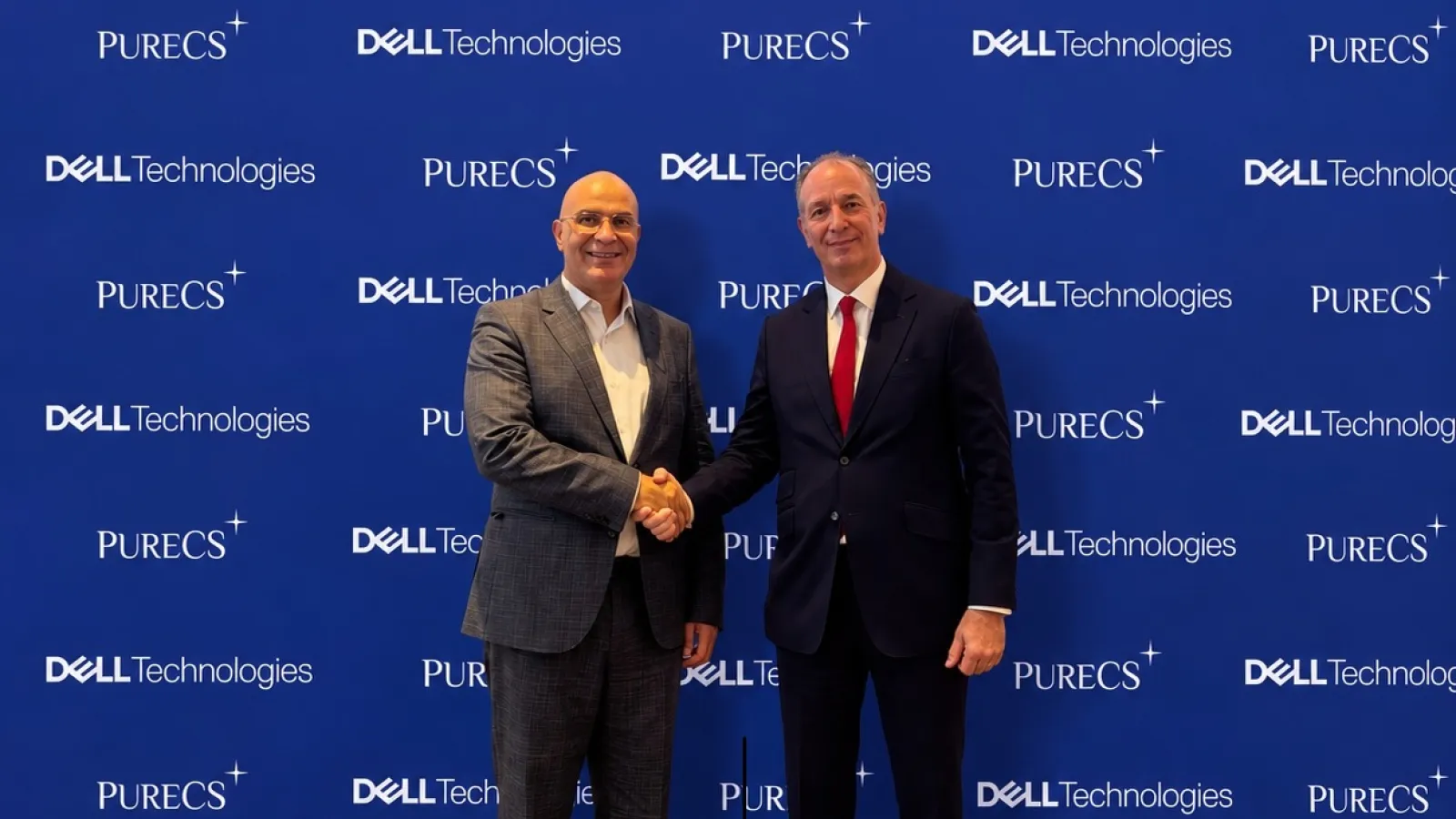
PureCS, the digital infrastructure and cybersecurity arm of PureHealth, the Middle East's largest healthcare group, has signed a partnership with Dell Technologies to deliver managed threat detection and extended detection and response (XDR) services through its Abu Dhabi Security Operations Centre. The agreement places Dell's global cybersecurity capabilities inside a locally anchored SOC, positioning the alliance as a direct play on the UAE's push for data sovereignty and in-country digital resilience.
Under the arrangement, Dell will operate through PureCS's Abu Dhabi SOC to serve government entities and private sector organisations across the UAE. The model is deliberately onshore: by keeping threat intelligence, incident response and data processing within UAE borders, both companies are aligning with the country's wider digital-sovereignty agenda, which mandates that sensitive government and critical-infrastructure data remain in-country.
Sovereign infrastructure, not just a vendor deal
The partnership is more than a standard reseller arrangement. PureCS's parent, PureHealth, operates over 110 hospitals and 316 clinics across the UAE and internationally, giving the cybersecurity subsidiary a ready-made base of critical digital assets to protect. A healthcare group of that scale generates some of the most sensitive data in any economy, and the extension of its cybersecurity arm into a commercial SOC service signals an ambition to monetise that operational expertise beyond the group's own estate.
Rashid Hamad Al Neyadi, Chief Operating Officer of PureCS, framed the move in macro terms: "This partnership embodies our commitment to building trustworthy digital infrastructure that enables businesses and government entities to innovate, grow, and operate with confidence." Walid Yehia, Managing Director for South Gulf at Dell Technologies, cited PureCS's regional expertise and in-country delivery scale as the primary reasons for choosing the partner rather than building a standalone local presence.
A $29bn regional market shaping capital flows
The backdrop is a Middle East cybersecurity market that research firm MarketsandMarkets estimates will grow from $18.56bn in 2026 to $29.39bn by 2031, at a compound annual growth rate of 9.6%. That trajectory is being driven by the acceleration of AI adoption, cloud migration and digital-government programmes across GCC states, each of which is simultaneously expanding its attack surface and tightening data-localisation rules.
For cross-sector investors, the story sits at the intersection of three distinct capital flows. First, sovereign wealth and government procurement budgets in the GCC are flowing into digital infrastructure at scale, creating a durable revenue base for managed-security providers with in-country licences. Second, global technology primes such as Dell are increasingly choosing to embed into regional SOC partners rather than build their own local infrastructure, a capital-light model that compresses their go-to-market timeline but concentrates execution risk in the partner. Third, the healthcare-to-cybersecurity pivot that PureHealth is executing through PureCS reflects a broader pattern in which large Gulf conglomerates are treating their internal digital capabilities as separable, commercialisable assets.
The convergence angle extends further. As UAE entities deploy more AI-driven clinical and operational systems, the attack surface for critical national infrastructure expands in direct proportion. A SOC anchored in a healthcare parent, with intimate knowledge of operational technology as well as conventional IT environments, is structurally better placed to defend hybrid digital-physical systems than a pure-play IT security vendor. Whether PureCS can scale that differentiation to become a regional managed-security leader, rather than remaining a group-service function with a commercial wrapper, is the strategic question investors in this space will be watching.
The MarketsandMarkets market-size figures are company-cited and should be treated as directional rather than audited.