
Nearhuman raises £350k to put physical AI inside e-scooter fleets
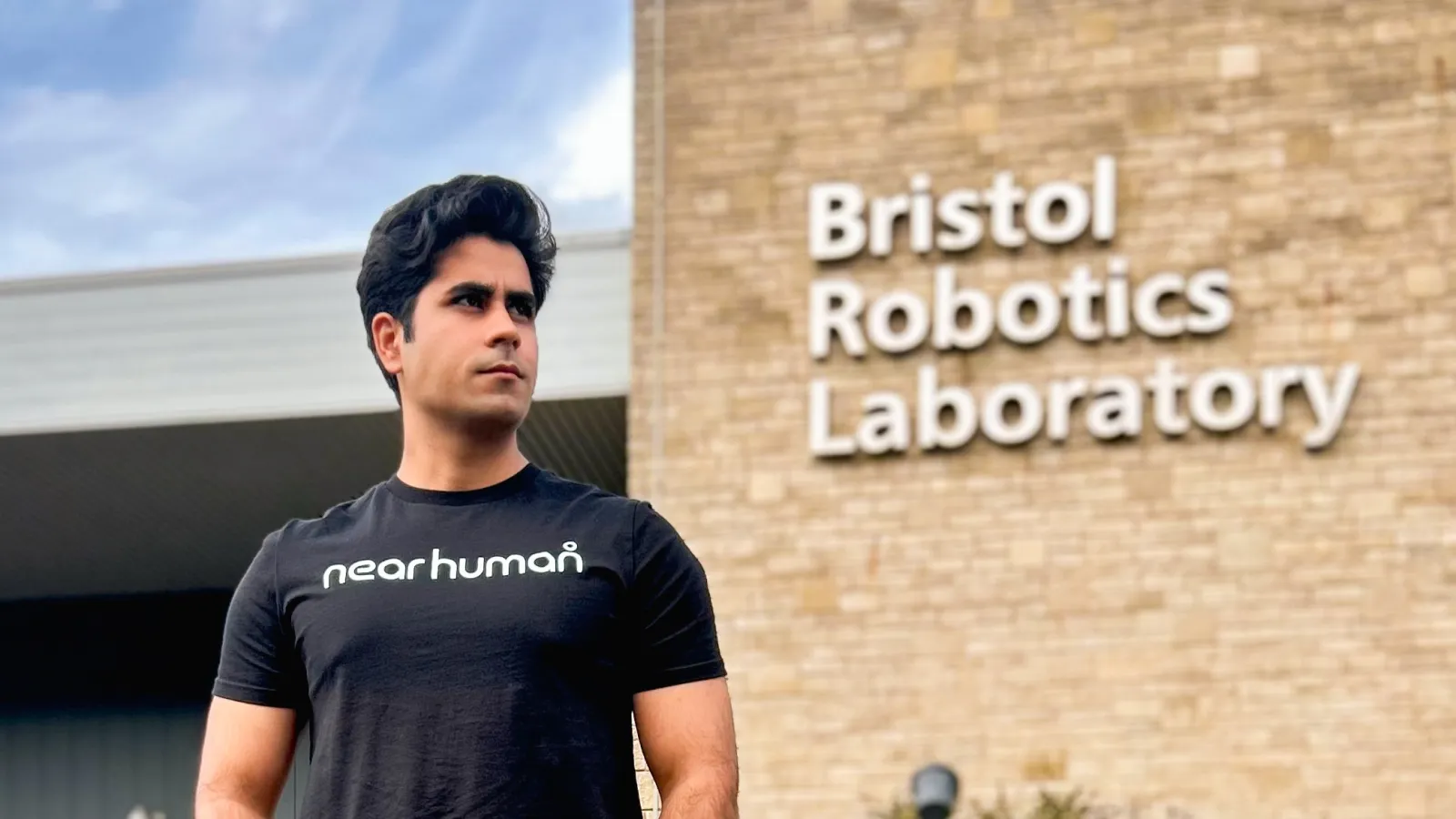
Nearhuman, a physical AI startup resident at Bristol Robotics Laboratory, has closed a £350,000 pre-seed round led by SFC Capital to deploy on-device computer vision across shared e-scooter and e-bike fleets. The raise is small by headline standards, but the bet it represents is large: that the intelligence layer for the physical world will be built at the edge, inside the machine, not streamed back to a cloud server.
The timing is not incidental. E-scooter casualties in Great Britain more than tripled between 2020 and 2025, rising from 454 to 1,477 according to Department for Transport data. Germany recorded 16,496 injury accidents in 2025, up 38% year-on-year. E-scooter deaths in France nearly doubled, from 45 to 80 over the same period. Operators and councils have responded with infrastructure upgrades, rider education campaigns and enforcement, but one structural gap persists: granular, real-time data on how vehicles are actually used on the street.
On-device intelligence, privacy by design
Nearhuman's answer is a retrofit camera module that attaches to vehicles already in service. The onboard AI detects pavement riding, near-misses with pedestrians and road hazards in real time, processing and redacting footage before it ever leaves the vehicle. The privacy-by-design approach is deliberate: it removes the regulatory and reputational friction that would otherwise accompany any fleet-wide video surveillance system, making council adoption politically easier.
The commercial logic extends beyond scooter operators. As fleets travel their daily routes, the same hardware captures street-level intelligence on road condition, cycle-lane quality and pavement degradation. That data product, sold to local authorities, positions Nearhuman as an urban-sensing infrastructure play as much as a micromobility safety vendor. A live Bristol pilot is underway; commercial deployment is planned for the coming months.
Founder Faizan Mir, 24, is a former IndiaSkills Mobile Robotics medallist who studied at UWE Bristol. Asked about the company's mission, he pointed to the limits of technology acting alone: "Better streets, education and enforcement all matter. What we can do is help give operators and councils clearer evidence, with privacy built into the hardware."
Ed Stevenson, Principal at SFC Capital, framed the investment in broader terms: "AI has changed how we work on screens. The next shift is AI that runs inside physical machines, and Nearhuman is building for exactly that."
Convergence read-across: edge AI meets urban infrastructure
The Nearhuman raise sits at the intersection of three converging forces that matter well beyond micromobility. First, the edge-AI hardware market is maturing rapidly, driven by cheaper inference chips and growing regulatory pressure to keep sensitive data local. Second, urban mobility operators are under mounting pressure from city governments to demonstrate safety outcomes as a condition of operating licences, creating a commercial pull for the kind of structured data Nearhuman can supply. Third, the built-environment data gap is attracting serious capital: digital-twin and smart-city infrastructure platforms have drawn significant institutional interest across Europe and the Gulf, where cities are building from scratch rather than retrofitting.
For cross-sector investors, the more interesting signal is the scalability of the underlying architecture. On-device AI that classifies motion, detects hazards and redacts sensitive footage in real time is directly transferable to logistics robots, construction-site safety monitors and autonomous-vehicle sensor stacks. Nearhuman is starting with e-scooters because the safety case is immediate and the regulatory environment in UK cities is receptive, but SFC Capital's framing suggests the firm is backing a platform thesis, not a single product. Whether that platform gains traction will depend on whether Nearhuman can establish its Bristol pilot data as the standard evidence base councils use to evaluate fleet operators, converting a safety tool into a durable infrastructure contract.