
MBody AI lists on Nasdaq via merger, raises $10m for robot fleet growth
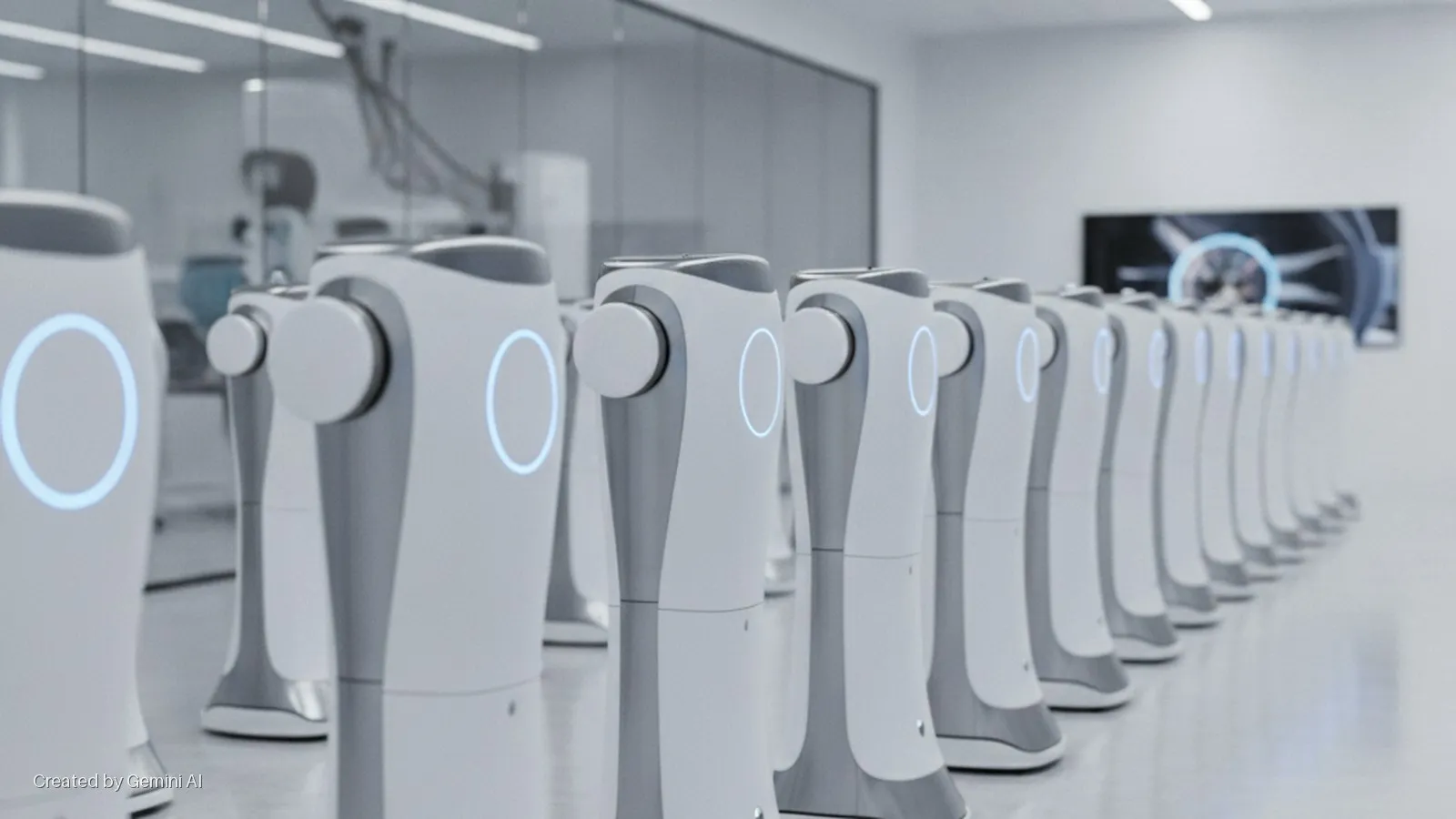
MBody AI Ltd., formerly Check-Cap Ltd., has completed its reverse-merger listing on the Nasdaq Capital Market and closed a $10 million underwritten public offering, marking the formal arrival of an enterprise robotics platform in the public equity arena. The combined company, trading under the ticker MBAI, deploys and manages autonomous robot workforces for hospitality and gaming operators under long-term subscription agreements, positioning itself at the intersection of physical AI, labour markets, and the broader enterprise automation wave.
The offering comprised 1,538,462 ordinary shares priced at $6.50 each, with no warrants, preferred shares, or convertible securities attached. The underwriter, Northland Capital Markets, retains a 30-day option to purchase up to a further 230,769 shares. Of the approximately 15.3 million shares now outstanding, roughly 81% are restricted securities held by former MBody AI Corp. shareholders, the majority of which are also subject to lock-up agreements.
A clean-balance-sheet entry into a crowded robotics market
Chief Executive John Fowler framed the capital structure as a deliberate strategic choice: "We enter the public markets with no debt, no preferred shares and no convertible securities, so our new shareholders own the same security management owns." The company says it intends to deploy the net proceeds to expand its robot fleet with enterprise customers and to fund working capital, with no near-term debt obligations absorbing cash flow.
The business model is subscription-based, built around the proprietary MBody AI Orchestrator, a fleet-management layer described as hardware-agnostic, meaning it can coordinate robots from multiple third-party manufacturers across sites and use cases. The company counts Fortune 500 hospitality and gaming operators among its customers, though it has not disclosed individual client names or revenue figures publicly. Former Check-Cap chairman David Lontini, who remains on the board, noted that shareholders "now hold shares in a company that is selling into one of the fastest-growing areas of the technology economy, as robots begin taking on physical work that operators cannot staff."
Convergence angle: embodied AI and the labour-substitution economy
The timing of MBody AI's listing sits within a broader macro-shift that is reshaping capital flows across multiple sectors simultaneously. Hospitality and gaming, historically among the most labour-intensive industries in the consumer economy, are accelerating investment in robotic automation as structural post-pandemic labour shortages persist, minimum-wage legislation rises across US states, and enterprise buyers grow more comfortable with autonomous physical systems managed via cloud-connected orchestration layers.
This convergence of physical AI, workforce economics, and subscription-based enterprise software is drawing investor attention across venture, private equity, and now, as this listing illustrates, the small-cap public market. Larger players in adjacent territory include Bear Robotics and Keenon Robotics on the hardware side, and a growing cohort of fleet-management software firms trying to do what MBody AI's Orchestrator attempts: abstract away the hardware dependency and compete on operational intelligence.
For cross-sector investors, the more consequential question is whether the hardware-agnostic, orchestration-led model can achieve the unit economics needed to sustain a public market narrative. The $10 million raise is modest relative to the capital intensity of deploying and servicing physical robot fleets at scale across geographically dispersed hospitality sites. It funds near-term pipeline conversion, but the company's ability to grow within existing accounts and attract new Fortune 500 logos will determine whether the public-market window stays open as investor appetite for early-stage robotics names fluctuates with broader risk sentiment.
The Israel-US dual-domicile structure, with operational roots in Isfiya and market presence in Las Vegas, also reflects an increasingly common pattern: deep-tech companies incorporating in jurisdictions with favourable R&D tax environments while anchoring commercial operations in the US to access institutional capital and enterprise procurement cycles.