
Alpine Income Property Trust acquires $117m industrial portfolio
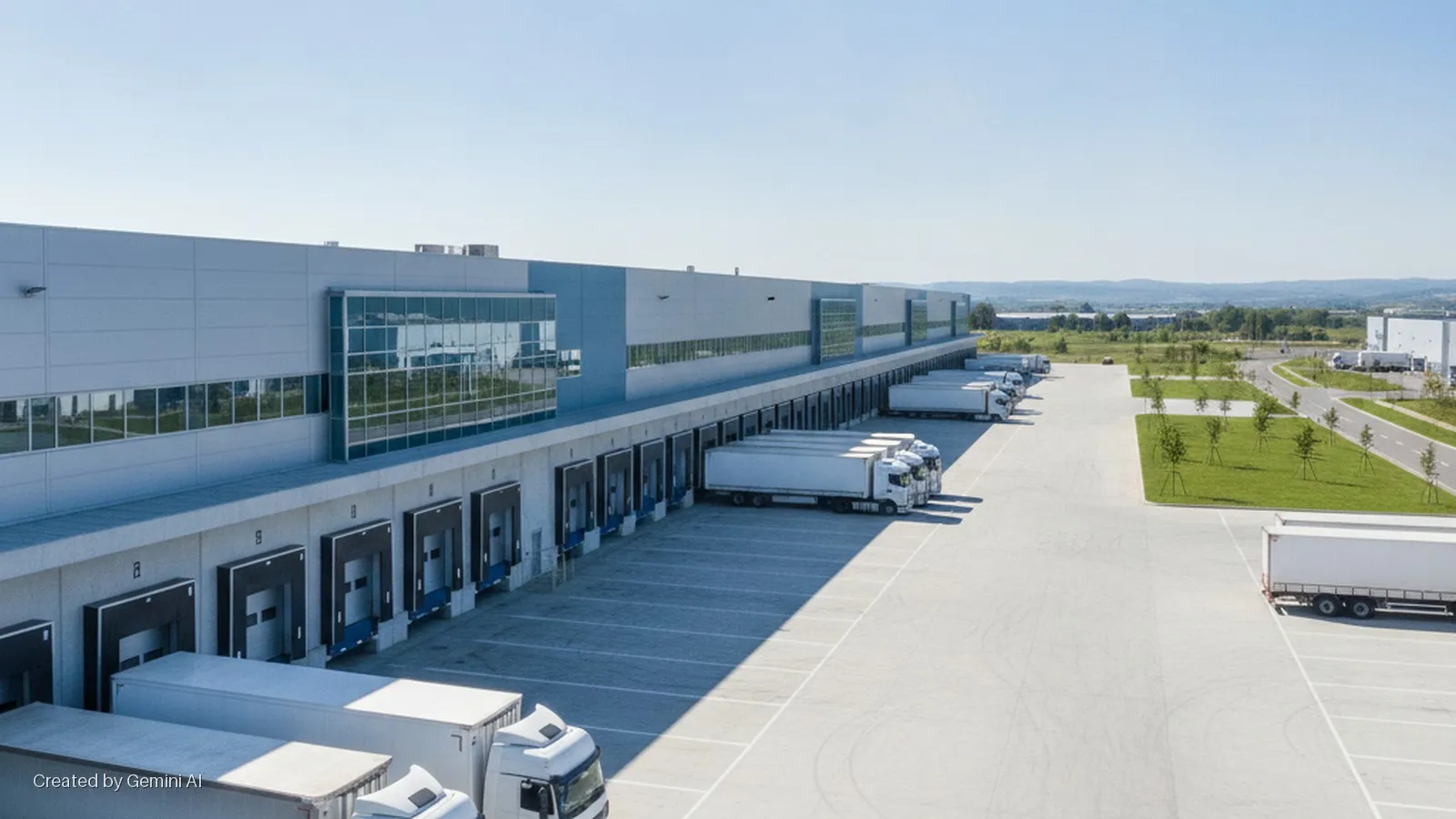
Alpine Income Property Trust (NYSE: PINE), a Florida-based real estate investment trust specialising in single-tenant net leased commercial properties, has agreed to acquire a 13-property industrial portfolio for $117.3 million, equivalent to approximately $63 per square foot. The deal, spanning 11 US states and covering around 1.9 million square feet across 209 acres, is expected to close before year-end.
The portfolio is fully leased to nine tenants under absolute triple-net lease structures, with a weighted average remaining lease term of 10.2 years and no expiries before late 2031. The tenants have occupied their respective sites for an average of roughly four decades, and many have made substantial capital investments in their facilities. Approximately 19% of in-place cash rent is attributable to investment-grade tenants or subsidiaries of investment-grade-rated parent companies.
A long-lease manufacturing play in a volatile rate environment
John P. Albright, President and Chief Executive Officer of Alpine, described the properties as "mission-critical manufacturing and distribution facilities" acquired at a low cost basis. He added that annual rent escalators built into the leases should support future cash flow growth alongside the initial yield.
The financing structure reflects the cautious pragmatism of mid-cap REITs in the current credit environment. Alpine intends to fund the acquisition through a combination of drawings on its revolving credit facility, proceeds from selective asset disposals, and repayments on its commercial loan book. That multi-source approach avoids a single dilutive equity raise, but it does concentrate near-term leverage risk on a credit line at a moment when US commercial real estate debt markets remain sensitive to rate expectations.
Convergence angle: industrial property as supply-chain infrastructure
The broader significance of this deal extends beyond REIT balance-sheet mechanics. Long-lease industrial real estate has become a proxy asset class for the reshoring and near-shoring of manufacturing capacity that has accelerated since the supply-chain dislocations of the early 2020s and intensified under successive rounds of US tariff policy. Tenants occupying mission-critical manufacturing and distribution sites for 40-plus years are often deeply embedded in domestic supply chains for sectors ranging from automotive components to defence subassembly and medical device production.
For cross-sector investors, that tenant stickiness carries a strategic read-across. As US policy continues to incentivise domestic industrial capacity through the CHIPS Act, the Inflation Reduction Act's manufacturing credits, and evolving tariff regimes, the underlying real estate that houses that capacity becomes a leveraged play on the friend-shoring thesis without requiring direct equity exposure to any single manufacturer or technology sector. Net-lease industrial portfolios at a low per-square-foot basis, with long weighted average lease terms, effectively securitise the rent obligations of the reshoring trade.
This dynamic has not gone unnoticed in capital markets. Institutional investors, including sovereign wealth allocators diversifying away from pure-play technology and infrastructure positions, have increased exposure to US industrial real estate over the past 18 months. The net-lease sub-sector, in particular, offers the inflation-linked rent escalation that fixed-income alternatives struggle to provide in a structurally higher-rate regime.
Alpine's deal is modest in absolute size relative to the multi-billion-dollar portfolios being assembled by larger listed REITs such as Prologis or STORE Capital's successors, but it is instructive as a signal of where mid-market capital is being deployed. The $63 per square foot acquisition price and the 10-year average remaining lease term suggest the vendor was willing to accept a discount to replacement cost in exchange for liquidity, a pattern that may recur as more private industrial portfolios reach refinancing deadlines in 2027 and 2028.
The deal is subject to customary closing conditions, with completion targeted in the fourth quarter of 2026.