
myPOS and Bancomat unite to plug Italy's SME payments gap
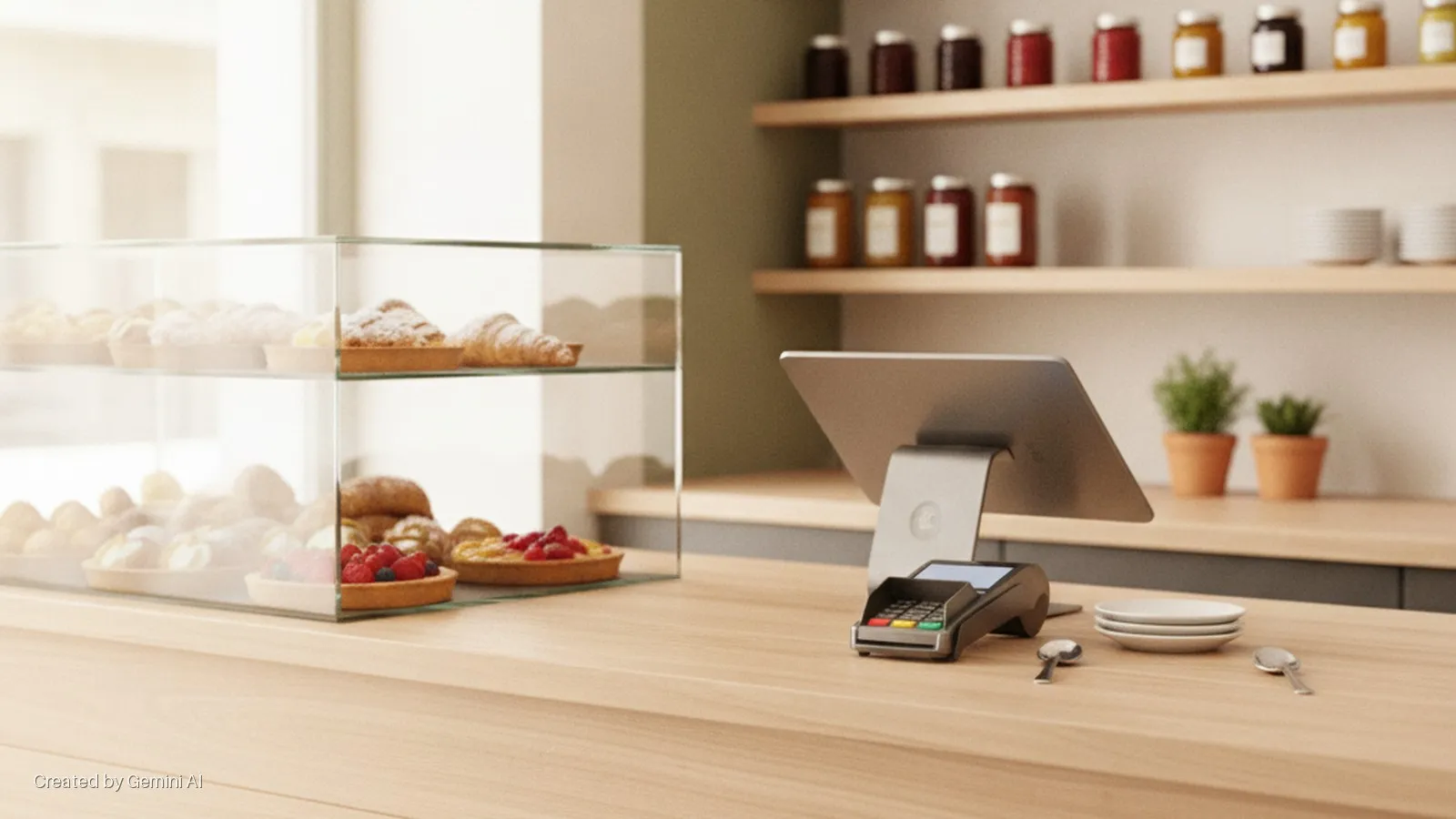
myPOS, the pan-European payments and acquiring platform serving more than 350,000 small businesses across 30-plus markets, has struck a partnership with Bancomat, Italy's dominant domestic card network, to enable in-store Bancomat acceptance for all Italian myPOS merchants. Online acceptance via Bancomat Pay is expected to follow shortly. The rollout begins this summer and applies to both new and existing myPOS customers in the country.
The deal addresses what the company describes as a structural commercial friction: Italian merchants using myPOS terminals previously could not accept Bancomat cards, a network embedded in millions of Italian wallets and deeply ingrained in everyday consumer behaviour. For a small retailer in Milan or a café in Naples, declining a Bancomat card is effectively declining a sale.
Closing a critical acceptance gap
Alessandro Bocca, myPOS Country Manager for Italy, was direct about the stakes: "For Italian small businesses, accepting Bancomat is not optional; it is often the difference between completing a sale and losing one." That framing matters because it signals something beyond a product feature update. For myPOS, Italy is now a strategic priority, and the Bancomat partnership is a prerequisite for meaningful market share rather than a value-add for an already complete offering.
Massimo Itta, Chief Commercial Officer at Bancomat, framed the deal as mutual network extension, noting that the collaboration is aimed at "further extending the reach of our network and reinforcing our role at the heart of Italy's payments ecosystem." For Bancomat, the partnership provides distribution access to a tech-forward merchant base it may not have been reaching through legacy acquirers and traditional bank-issued terminals.
The combined proposition bundles Bancomat acceptance with myPOS's instant settlement, transparent flat-rate pricing, and a free business current account. That package is positioned as a single-provider alternative to the fragmented multi-provider setups that many Italian SMEs currently run.
The broader European SME payments competition
The partnership sits within a sharply competitive European SME payments landscape. Incumbents such as Worldline and Nexi (which operates Bancomat's broader card infrastructure in Italy) have historically owned the domestic-network relationships, while challengers including SumUp, Zettle by PayPal, and Stripe Terminal have competed on price and simplicity. myPOS's move to bundle domestic-network acceptance with modern fintech-style account features narrows the gap between the challenger and incumbent value propositions.
From a macro perspective, this is also a localisation story with wider implications. Pan-European payments platforms have often under-indexed on domestic schemes, prioritising Visa and Mastercard rails for their universality. Italy's Bancomat is not an outlier: France's Carte Bancaire, Germany's girocard, and the Netherlands' iDEAL all command strong domestic loyalty. Platforms that fail to integrate these networks risk ceding ground to local acquirers who already carry the domestic-scheme relationships.
For cross-sector investors watching European fintech consolidation, the myPOS-Bancomat agreement illustrates how the next wave of SME payments growth will be won not through technology differentiation alone, but through the hard work of building country-by-country scheme compliance and regulatory alignment. Italy is the eurozone's third-largest economy, and SME payments volume there remains a material prize. Acquirers and payment infrastructure investors tracking European open-banking rollouts and the EU's forthcoming Payments Package reforms should note that domestic card networks are likely to remain relevant alongside account-to-account alternatives for several years yet.