
Arridex Omnifactory opens as West Africa's first additive hub
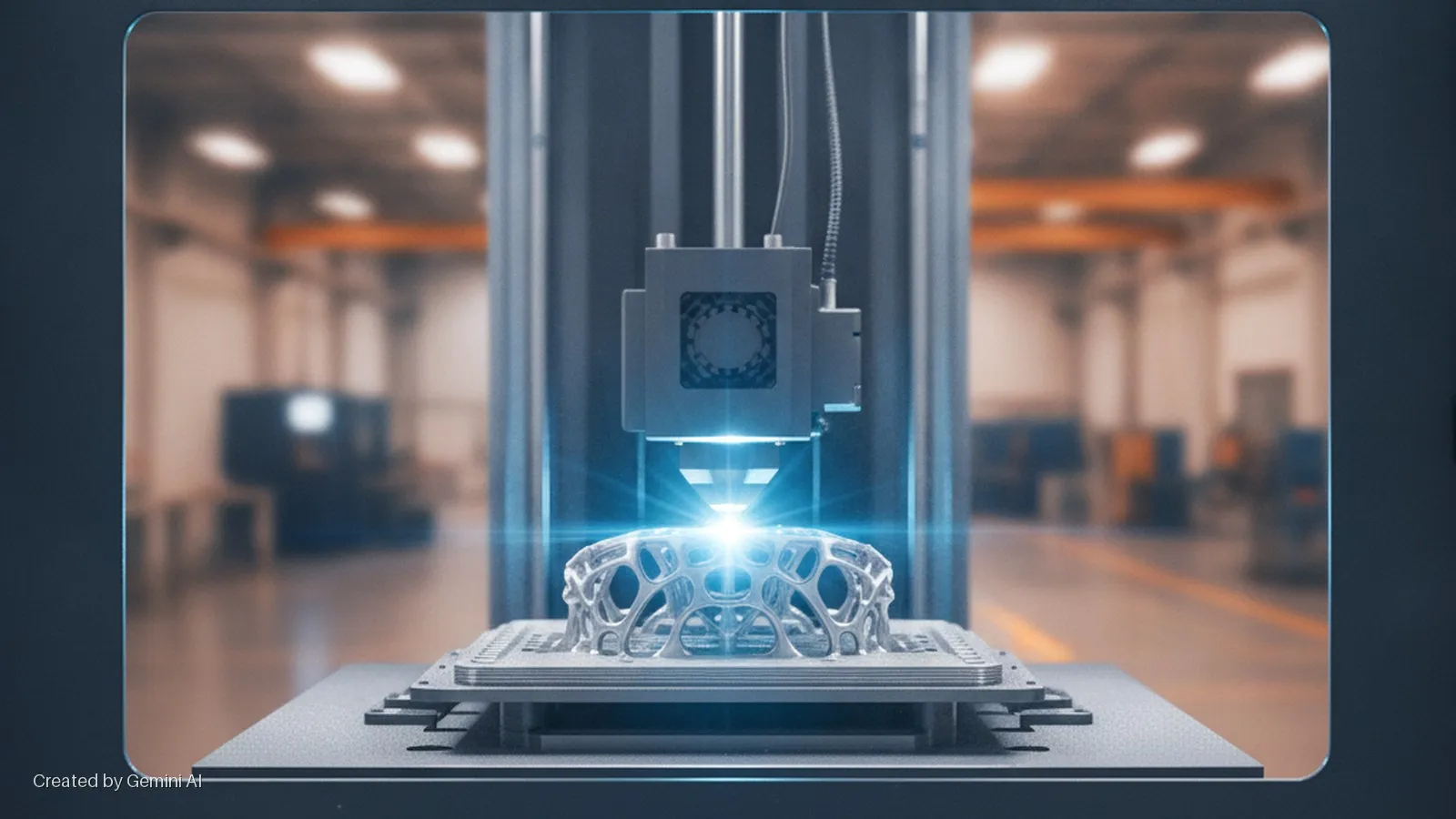
Arridex, the Nigerian industrial technology group formerly known as RusselSmith Group, has formally commissioned the Omnifactory in Lagos: West Africa's first multi-technology industrial additive manufacturing facility. The ceremony was presided over by Babajide Sanwo-Olu, Governor of Lagos State, and attended by senior officials and an investment delegation at the Invest Lagos 3.0 forum. The opening marks a structural shift in how the region sources critical industrial components, moving production from distant global suppliers to an on-demand facility in Lagos itself.
The Omnifactory combines four distinct additive manufacturing processes under a single roof: Laser Powder Bed Fusion (L-PBF), Cold Spray, Fused Filament Fabrication (FFF), and Selective Laser Sintering (SLS). That breadth allows the facility to produce everything from precision aerospace parts to full-size marine components. For asset operators managing ageing infrastructure across Nigeria and the wider region, the practical significance is immediate: spare parts that once required procurement across multiple jurisdictions and extended lead times can now be manufactured on demand in Lagos.
Breaking the Import Dependency Loop
The structural problem Arridex is addressing is one that has quietly eroded operational reliability across West Africa's most capital-intensive sectors. Oil and gas operators, maritime fleets, and defence programmes have routinely contended with supply chains that span Europe, North America, and East Asia, with obsolescence risk layered on top: when original equipment manufacturers discontinue a part, asset owners have few options outside expensive re-engineering or extended downtime. The Omnifactory's on-demand model collapses that dependency by printing certified components locally.
Arridex already holds Pioneer Status in additive manufacturing from the Nigerian Investment Promotion Commission and is the first company qualified by the Nigerian Upstream Petroleum Regulatory Commission (NUPRC) for additive manufacturing deployment in the oil and gas sector. It also operates a joint venture with the Defence Industries Corporation of Nigeria (DICON) for military-grade additive components, giving the facility an institutional reach across both civilian and defence procurement channels. The company's CEO, Kayode Adeleke, was direct about the ambition: "We are not stopping here. By the first quarter of 2027, we will commission the Arridex Mega Omnifactory, which will stand among the largest single-site industrial additive manufacturing facilities in the world. The next chapter of global manufacturing can be written from Lagos."
Convergence Angle: Reshoring Meets the Global South
The Omnifactory's commissioning sits at an intersection that cross-sector investors are beginning to map seriously. The global conversation around reshoring and supply-chain resilience has been dominated by US-China tensions, the CHIPS Act, and European strategic autonomy. What is less observed is the parallel dynamic emerging across Africa: a continent whose industrial operators have historically been price-takers in global supply chains is now building the physical infrastructure to re-route that dependency. Additive manufacturing is the enabling technology in that transition, because it trades logistics complexity for compute and materials science, both of which are increasingly accessible.
For capital allocators with exposure to African infrastructure, defence, or energy assets, the Omnifactory model is a signal worth tracking. The facility's certification by Nigerian regulatory bodies across both the upstream petroleum and defence sectors suggests the institutional groundwork for broader adoption is already in place. Arridex's membership of the Additive Manufacturer Green Trade Association (AMGTA) and its designation as a Strategic Partner of the Commonwealth Enterprise and Investment Council (CWEIC) further indicate a company positioning for international capital and procurement relationships, not just local contracts.
The broader read-across is for defence and aerospace supply chains specifically. As Western prime contractors face pressure to localise production in partner nations, facilities like the Omnifactory represent a new class of in-country manufacturing partner: certified, multi-technology, and operating to global standards in a market where that combination has been virtually absent. Whether sovereign or institutional capital follows that signal into West African industrial infrastructure will be a metric worth watching through 2027.