
Waste Connections opens $100m landfill-to-RNG plant in Ontario
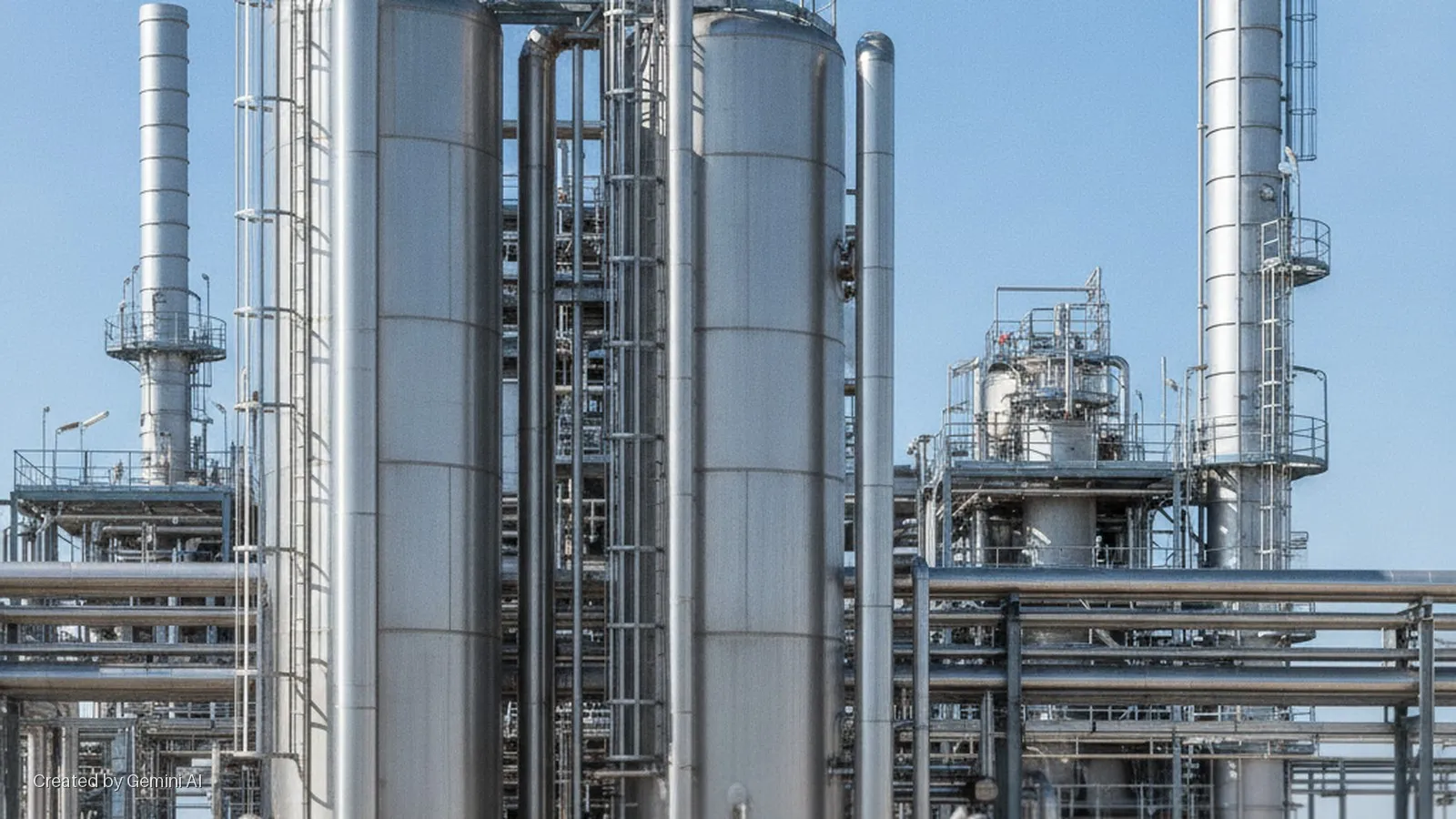
Waste Connections of Canada has officially opened a nearly $100 million renewable natural gas (RNG) facility at the Ridge Landfill in Chatham-Kent, Ontario, converting decomposing-waste methane into pipeline-quality energy distributed through Enbridge Gas's existing natural gas grid. The project is one of the larger private capital commitments to landfill-gas-to-energy infrastructure in Canada and signals growing investor appetite for decarbonisation plays that exploit legacy waste and energy systems rather than building entirely new ones.
Developed in partnership with Enbridge Gas, the facility includes an upgrading system of compressors, blowers and chillers, plus a 5.7-kilometre pipeline connecting the Ridge Landfill directly to Enbridge's distribution network. Construction began in 2023, commissioning completed in late 2025, and full operations commenced in early 2026. At capacity, the plant will process approximately 62.6 million cubic metres of landfill gas annually, reducing greenhouse gas emissions by more than 85,000 tonnes per year and generating enough RNG to heat more than 18,000 Ontario homes.
From waste to grid: the infrastructure logic
The project's strategic importance lies less in any single technical innovation and more in its infrastructure reuse model. Rather than requiring new pipelines, storage facilities or consumer-side hardware upgrades, the RNG is injected directly into Ontario's existing natural gas distribution system. For fleet operators, municipalities and industrial gas consumers, this means lower-carbon energy arrives through unchanged supply channels, which materially reduces the adoption friction that has historically stalled alternative-fuel rollouts. John Snelling, Vice President for Waste Connections' Canada Region, framed it directly: "By transforming landfill gas into renewable natural gas, we are helping communities reduce emissions while making better use of existing resources."
The involvement of Ontario Minister of the Environment Todd McCarthy and Minister of Agriculture Trevor Jones at the ribbon-cutting underscores the project's dual positioning: an environmental compliance asset and a rural economic development story. Chatham-Kent, an agricultural municipality southwest of Toronto, gains local employment, regional supply-chain activity, and a landfill liability partially converted into a revenue-generating energy asset.
Cross-sector read-across: waste, energy and the infrastructure capital shift
The Ridge facility is a small but illustrative data point in a broader reallocation of infrastructure capital. Private equity and corporate balance sheets are moving aggressively into the "hard-to-abate" decarbonisation stack, where landfill gas, agricultural biogas, and industrial off-gas streams can be monetised through existing grid infrastructure. Waste Connections already operates multiple RNG facilities across North America, giving it portfolio-level learnings on project economics that smaller municipal operators cannot replicate.
For energy investors, the convergence point here is the intersection of waste management, gas distribution infrastructure and carbon-credit markets. In Canada, the federal Clean Fuel Regulations create a compliance credit mechanism that makes RNG economically attractive beyond its raw energy value: producers can generate credits that fossil-fuel suppliers must purchase to meet blending obligations, adding a financial-markets layer to what is otherwise a straightforward infrastructure project. That credit dynamic is increasingly attracting institutional capital into the landfill-gas segment, with Enbridge's distribution network acting as the off-take anchor that de-risks project financing.
The broader implication for cross-sector strategists is that gas-grid incumbents such as Enbridge are becoming critical enablers of the circular-economy transition, not merely legacy fossil-fuel distributors. As regulatory pressure mounts on methane emissions from landfills across North America, the commercial logic for converting liability into energy supply only strengthens. Waste Connections has positioned itself at this junction, and the Chatham-Kent facility offers a repeatable template: private capital, a utility partner for grid access, and a provincial government keen to show practical decarbonisation results ahead of emissions-reduction deadlines.