
Indigenous-led Biidaaban venture restarts Hamilton biodiesel plant
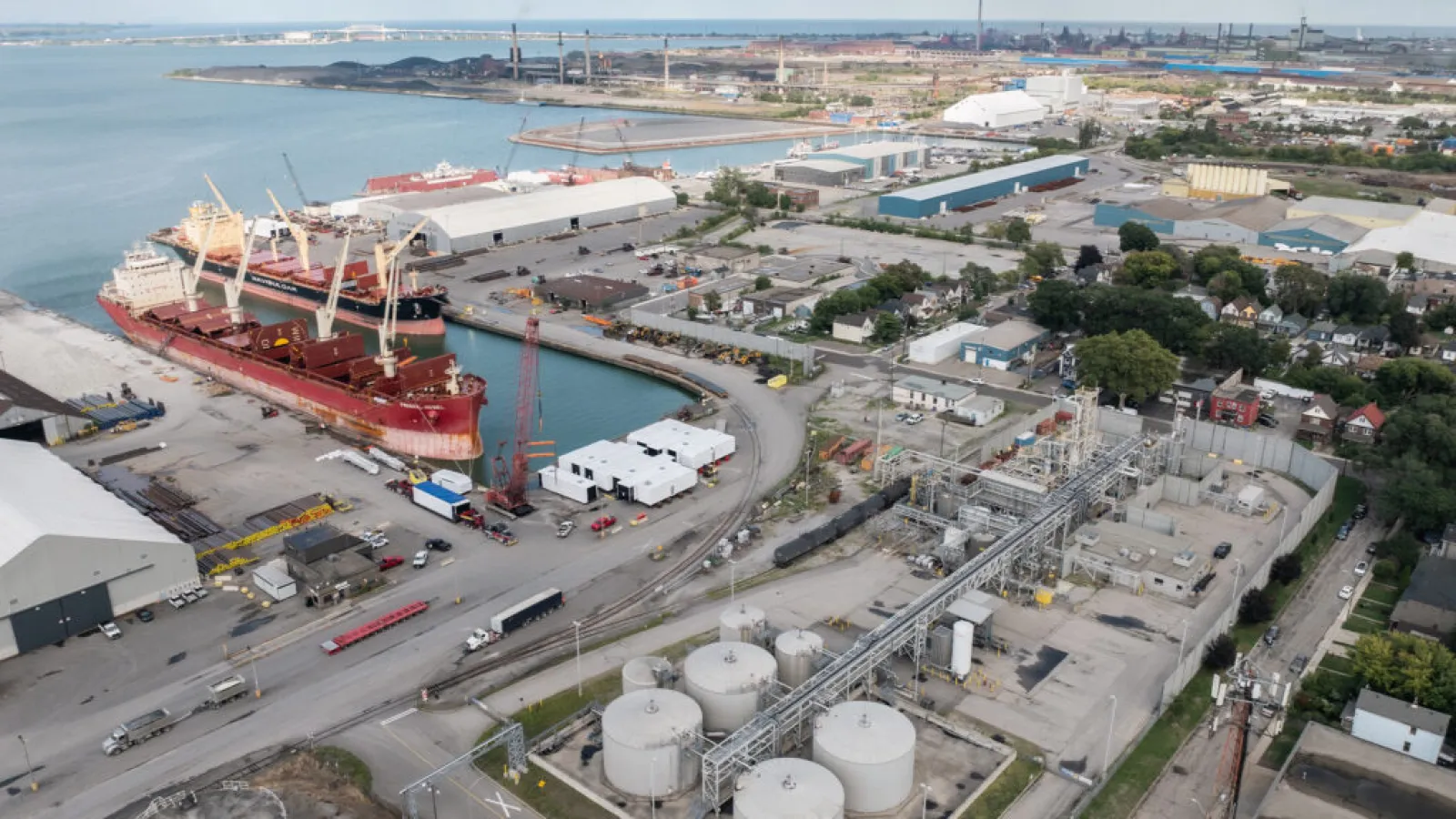
The Mississaugas of the Credit Business Corporation (MCBC) and HOPA Ports have formed a joint venture to reactivate an idled biodiesel production facility at Pier 14 in the Port of Hamilton, Ontario. The newly created operator, Biidaaban Renewable Energy, will be 51% owned by MCBC, making it an Indigenous-majority-controlled clean-fuel asset and one of the more structurally distinctive energy-infrastructure transfers in Canada's recent energy transition history.
The facility had been shut down by its former US-based owners when market conditions deteriorated. HOPA Ports, which owns the underlying land, stepped in to acquire and mothball the plant rather than allow it to be decommissioned. That intervention has now created the conditions for a transition to new ownership, with MCBC taking the controlling stake and Tim Haig, incoming President and CEO of Biidaaban, leading operations.
Policy tailwind meets stranded asset
The restart timing is not accidental. Both Ontario and the federal government have moved in the past twelve months to shore up the economics of domestic biodiesel production. Ontario's changes to fuel blending requirements have strengthened local demand, while Ottawa's updates to clean-fuel policy and enhanced domestic biofuel support have addressed competitiveness gaps that had previously made Canadian facilities uneconomic against cheaper imported product.
That combination of regulatory demand-pull and federal supply-side support has transformed the Hamilton plant from a stranded asset into a commercially viable proposition. The facility is expected to begin operations later this summer, producing biodiesel from agricultural and waste-based feedstocks. Biidaaban projects annual CO2-equivalent emissions reductions of approximately 130,000 tonnes, the equivalent of removing roughly 28,000 passenger vehicles from Canadian roads each year. The venture also expects to create more than 70 direct jobs in the Hamilton region.
A template for reconciliation capital at port infrastructure scale
The broader significance of Biidaaban sits beyond its emissions arithmetic. MCBC's 51% stake, underpinned by an MOU between HOPA and the Mississaugas of the Credit First Nation as Treaty Rights Holder, establishes a model that could apply across Canada's extensive port-linked industrial estate. The Mississaugas' treaty territory covers the Greater Toronto Area and much of the Golden Horseshoe, a region that generates approximately 25% of Canada's GDP. Positioning an Indigenous-majority entity as operator of clean energy infrastructure within that economic footprint carries weight both for reconciliation policy and for infrastructure investors watching how Indigenous economic participation is being structurally embedded rather than tokenised.
For cross-sector capital allocators, the Biidaaban structure is worth studying for two reasons. First, it demonstrates that stranded industrial assets with clear emissions-reduction utility can be recapitalised under new ownership frameworks when policy support is sufficiently clear and durable. Second, it points to a growing class of Canadian infrastructure deal in which Indigenous governance rights are being converted into economic equity, rather than consulted around. That shift has implications for pension funds, sovereign vehicles and infrastructure-focused private equity active in Canadian energy transition assets, particularly those seeking both stable cash flows and alignment with ESG mandates that increasingly demand meaningful Indigenous economic participation rather than box-ticking.
The clean fuels sector itself remains under pressure from feedstock cost volatility and competition from imported biodiesel, risks the release does not address directly. Whether the Ontario and federal policy environment holds through a full electoral cycle is the key variable. If it does, Biidaaban may become a reference case. If it does not, the Hamilton plant's history of US ownership and shutdown could repeat under new management.
HOPA's President and CEO Ian Hamilton framed the port authority's rationale plainly: "By preserving the facility through a challenging period, we've been able to support a transition to new ownership that secures jobs, strengthens domestic production capacity, and puts the asset back to work for the region."