
Eos Energy launches rights offering to fund zinc storage JV
Eos Energy Enterprises, the New Jersey-based maker of zinc-based battery energy storage systems (BESS), has updated the terms of a rights offering intended to fund its equity contribution into Frontier Power USA, a newly formed joint venture targeting utility-scale long-duration energy storage (LDES) in the United States.
The rights offering is priced at $5.481 per unit, representing an approximate 10% discount to the company's closing share price on 29 June 2026. Each unit comprises one share of common stock and 0.4388 of a warrant, with each whole warrant carrying an exercise price equal to the subscription price. The record date is set for 1 July 2026, with distribution following a day later.
Zinc chemistry in a lithium-saturated market
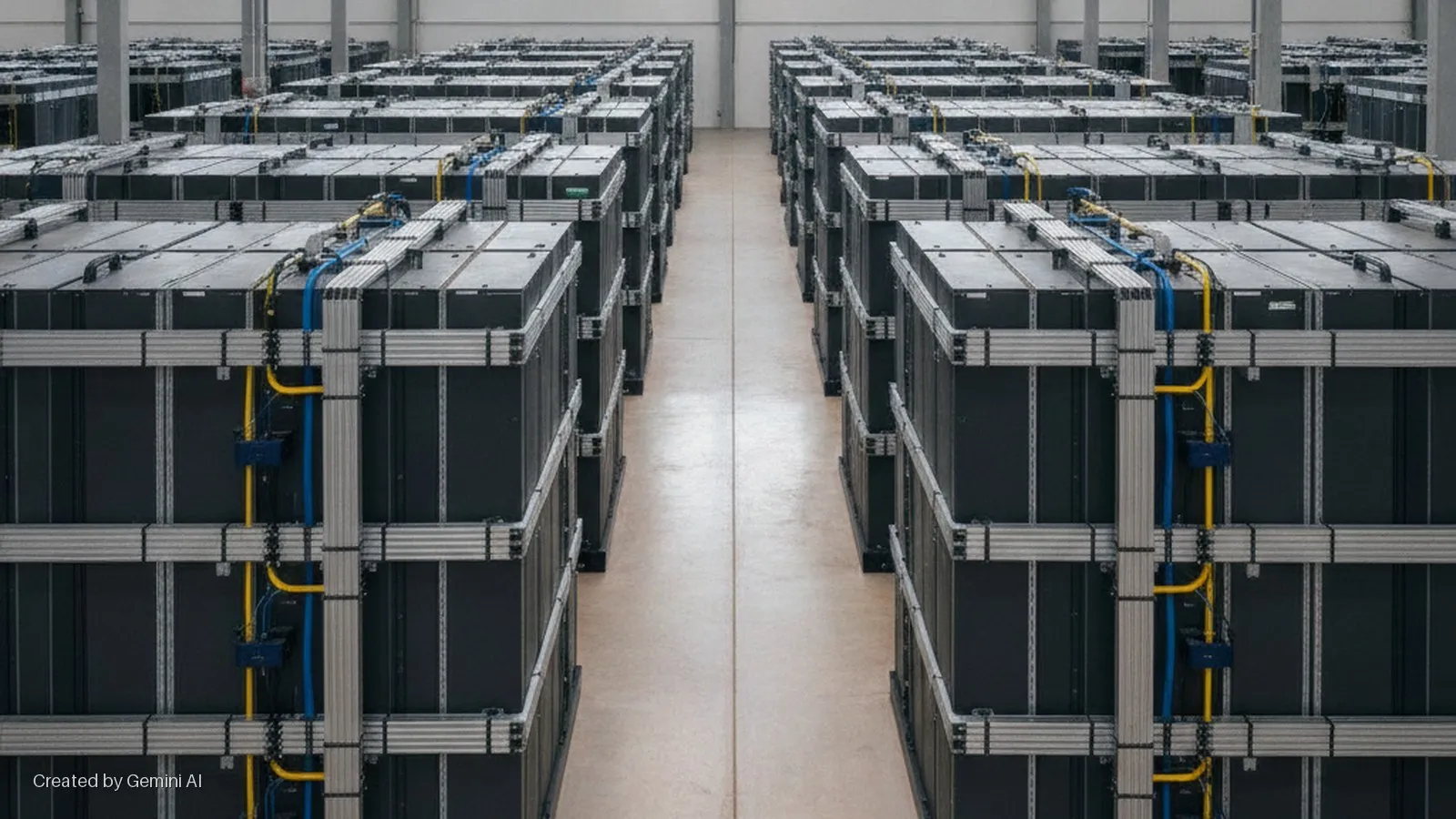
Eos builds its systems around what it calls Znyth technology, a zinc-based aqueous chemistry that the company positions as non-flammable and built from widely available materials rather than the lithium, cobalt, or nickel chains that dominate conventional BESS supply. The company says its systems are suited to discharge durations of four to sixteen-plus hours, placing them squarely in the LDES segment that grid operators increasingly require as intermittent renewable penetration rises.
That positioning matters in the current capital environment. Lithium-iron-phosphate (LFP) battery prices have fallen sharply over the past two years, compressing margins for incumbents and raising the bar for alternative chemistries to prove total-cost-of-ownership advantages at scale. Eos has acknowledged ongoing challenges converting its order backlog to revenue, and the rights offering follows a registered direct offering conducted on similar pricing terms, suggesting the company is managing dilution carefully while preserving access to capital.
Convergence context: LDES as grid infrastructure, not just energy storage
The broader significance of Eos's financing move sits at the intersection of energy transition, domestic manufacturing policy, and grid infrastructure investment. The Frontier Power USA joint venture is a direct play on the structural demand created by the Inflation Reduction Act (IRA), which provided production and investment tax credits specifically designed to anchor American-made storage manufacturing. The company flags, however, that potential repeal or modification of IRA provisions represents a material risk, an acknowledgement that US energy policy is in flux under the current administration.
For cross-sector investors, the LDES segment has attracted attention beyond traditional energy infrastructure funds. Data centre operators grappling with grid connection queues and power purchase agreement shortfalls are evaluating long-duration storage as a behind-the-meter resilience layer, a dynamic that could eventually make companies such as Eos relevant to hyperscale procurement conversations as well as to utility offtake. Meanwhile, the Department of Energy's loan facility remains a potential source of non-dilutive capital for Eos, though the company notes the timing and availability of any such funding is uncertain.
The over-subscription privilege included in the offering structure allows existing eligible holders who exercise their basic rights in full to bid for any units left unsubscribed at expiry, a mechanism designed to maximise the probability of a fully subscribed raise without requiring a backstop underwriter.
Risks the market is watching
The offering remains conditional on stockholder approval of an increase to Eos's authorised common stock, satisfaction of conditions under its existing credit agreement with Cerberus, and SEC clearance of the prospectus supplement. The company also flags supply chain disruption, evolving US trade policy, and customer financing risk as variables that could affect its ability to convert pipeline to revenue even if the capital raise closes as planned.
For macro investors, the Eos rights offering is less a headline raise and more a signal of where small-cap LDES companies currently sit in the capital cycle: reliant on equity markets and policy support, navigating a competitive landscape where Chinese LFP supply chain advantages remain formidable, and betting that domestic manufacturing credentials and alternative chemistry will command a premium as grid complexity deepens.