
Burckhardt Compression wins Nordic green hydrogen supply deal
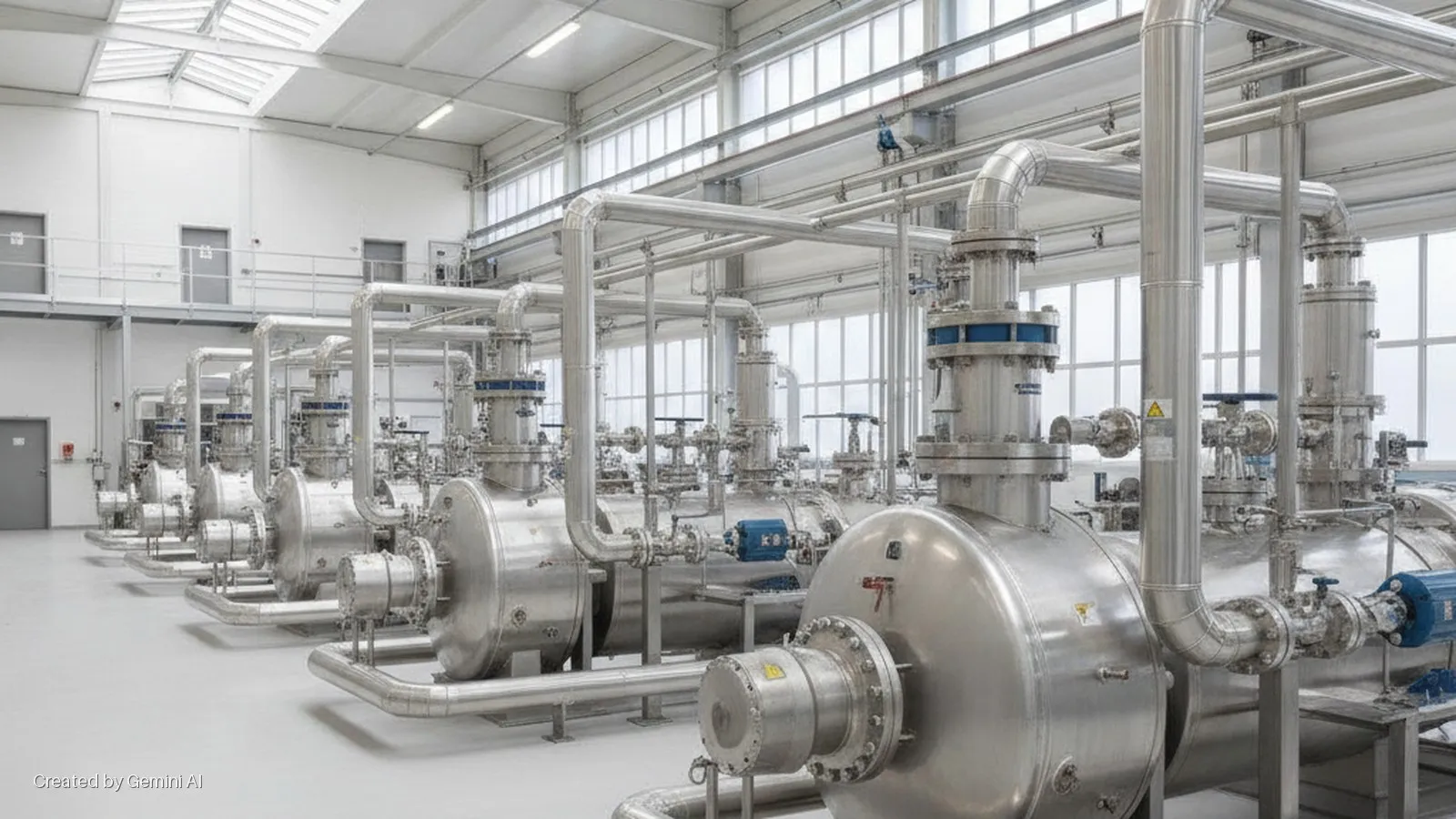
Swiss compression specialist Burckhardt Compression has been selected by Norwegian green hydrogen producer Hydrogen Solutions AS (HYDS) to deliver high-pressure compression systems for projects targeting 20 to 40 MW of production capacity in the Nordic region. The equipment, capable of reaching pressures up to 515 bar, will compress electrolysis-derived hydrogen into tube trailers for road-based distribution, filling a gap that exists because dedicated hydrogen pipeline networks across Scandinavia remain nascent.
The contract underscores a structural reality facing early-stage hydrogen economies everywhere: before grid-scale pipeline infrastructure materialises, trailer filling is the de facto last-mile logistics layer. Compression to trailer pressure is therefore not a peripheral engineering detail but the rate-limiting step in monetising green hydrogen at scale. Burckhardt Compression, listed on the SIX Swiss Exchange and founded in 1844, brings a global track record across production, storage, and refuelling applications that start-up hydrogen producers like HYDS cannot replicate in-house.
Supply chain before pipeline
HYDS, founded in 2021 and already operating two electrolyser plants at Kaupanes and Stord in Norway, has been supplying high-pressure green hydrogen to customers since 2023, positioning it as one of Norway's more experienced operators in the segment. The new projects, developed alongside regional energy and industrial partners and powered by renewable electricity, are intended to serve decarbonisation demand across maritime, mobility, and heavy-industry sectors. Frode Kirkedam, CEO of HYDS, was direct on supplier selection criteria: "The quality, reliability and competence of our suppliers have a direct impact on plant performance, project risk, safety and long-term value creation."
Deliveries remain subject to finalisation of commercial agreements between the two parties, meaning the contract is not yet unconditional. That caveat aside, the deal reflects a pattern now visible across Northern Europe: green hydrogen developers are locking in proven compression and equipment partners early, treating supply-chain certainty as a project-finance prerequisite rather than an afterthought.
Nordic hydrogen and the cross-sector convergence
The broader significance for cross-sector investors sits at the intersection of three converging forces. First, Nordic renewable electricity surpluses, driven by hydro and expanding offshore wind capacity, create a natural feedstock advantage for electrolytic hydrogen that few other European geographies can match. Second, the maritime sector's decarbonisation imperative, particularly acute in Norway given its large merchant and offshore fleet, generates near-term hydrogen offtake demand that industrial gases alone cannot satisfy. Third, heavy transport and construction, sectors HYDS explicitly targets, are proving more amenable to hydrogen than battery-electric alternatives at high duty cycles and large payloads, sustaining demand signals that justify infrastructure build-out.
For capital allocators watching the hydrogen infrastructure theme, the HYDS-Burckhardt deal illustrates where the real near-term value chain is forming: not in electrolyser manufacturing itself, where competition among European, Asian, and US players is intensifying and margins are compressing, but in the compression, storage, and logistics layer that turns molecules produced at a plant gate into revenue-generating deliveries. Compression technology at 515 bar is a highly engineered, low-commoditisation segment, and incumbents with certified equipment and service networks carry a durable competitive position relative to the hardware commoditisation risk that electrolyser OEMs face.
The Nordic hydrogen economy also sits within the wider European Union regulatory push, including the Hydrogen and Decarbonised Gas Markets Package, which is beginning to shape infrastructure-investment incentives and cross-border offtake frameworks. Projects that can demonstrate operational reliability before those frameworks fully mature will be better placed to access subsidised financing instruments as they become available, adding a timing dimension that favours HYDS's early-mover position.