
Volatus Aerospace delivers ISR drone fleet to undisclosed NATO partner
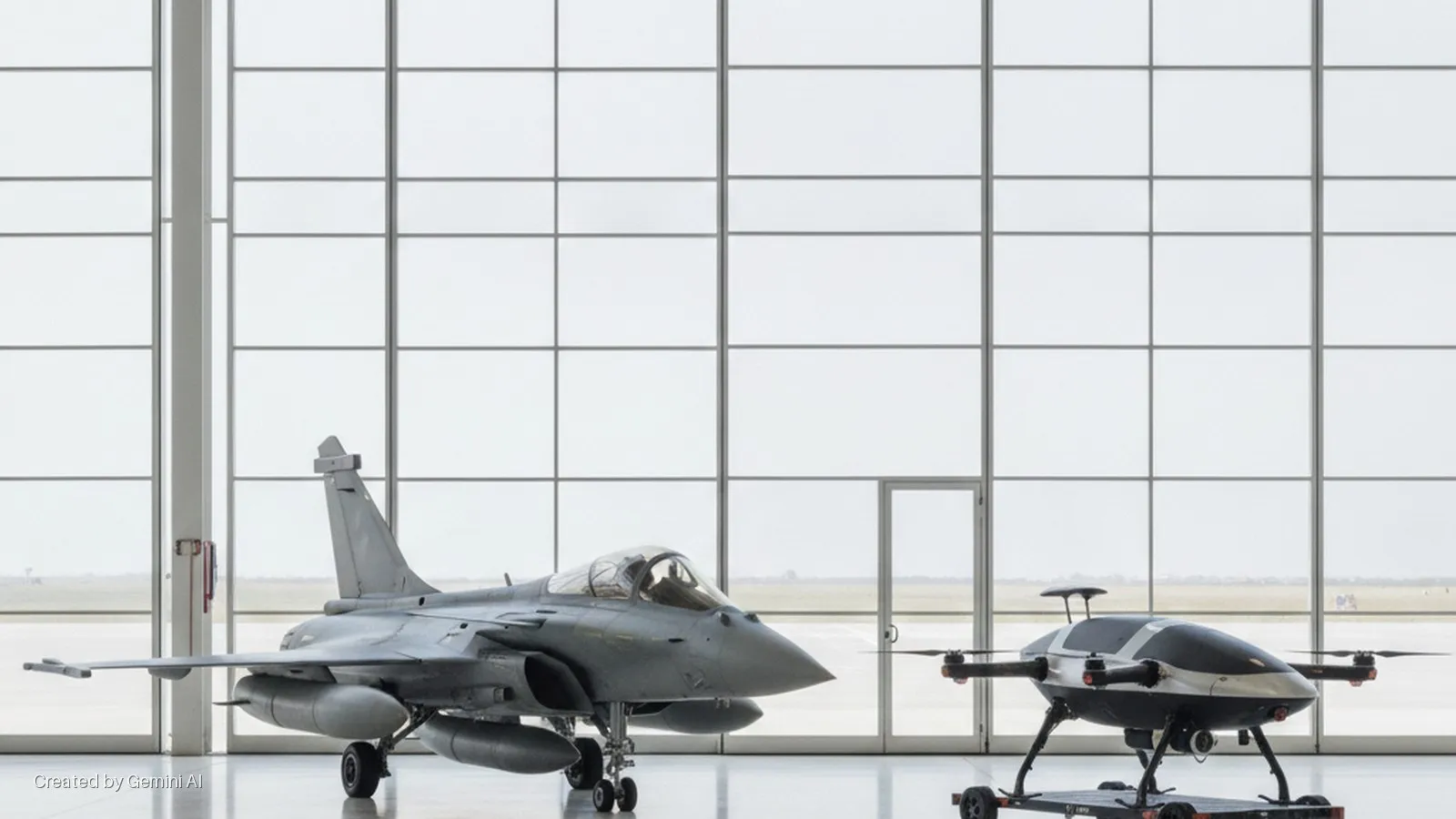
Canadian aerospace and defence company Volatus Aerospace (TSX: FLT) has completed the first major delivery milestone of a C$9 million contract to supply an intelligence, surveillance and reconnaissance (ISR) drone training fleet to an unnamed NATO member state. The announcement marks a tangible step in the alliance's broader push to industrialise uncrewed-systems capability below the level of frontline combat platforms.
The initial tranche, valued at approximately C$4.5 million, has been delivered in full. The customer has already begun exercising an option for the second tranche, with the unexercised balance remaining available through to end-2027. The contract, first announced in December 2025, had previously been subject to supply-chain disruptions flagged in the company's quarterly filings, making this delivery both operationally and reputationally significant for the Mirabel, Québec-headquartered firm.
Training as the bottleneck in NATO's drone build-out
The fleet is not a frontline offensive system. Its explicit purpose is to give new defence personnel foundational skills in drone flight, navigation and basic ISR operations, enabling them to progress to more advanced platforms. The systems are commercially derived, designed for repeated use in controlled training environments, and feature automated safety functions suited to operators with limited prior uncrewed aircraft system (UAS) experience.
That framing matters strategically. Across NATO, the bottleneck in drone adoption is no longer primarily hardware procurement, it is the human pipeline. Qualified UAS operators represent a scarce resource, and alliance members are increasingly treating operator training infrastructure as a component of readiness on a par with the platforms themselves. Volatus' positioning as an integrator of aircraft, training curriculum and lifecycle support, rather than a pure hardware vendor, gives it a structurally stickier role in this supply chain.
"Training is foundational to the effective adoption of uncrewed systems," said Glen Lynch, CEO of Volatus. "This program gives new operators the tools and experience they need to begin building that capability, while creating a pathway toward more advanced systems and applications."
Cross-sector implications: defence procurement meets the commercial drone economy
The broader read-across from this contract touches two converging trends. First, the increasing militarisation of commercially derived drone platforms is blurring the traditional boundary between the consumer and defence aerospace markets. Systems that began life serving utility inspection, logistics and cinematography use cases are being hardened, integrated and re-sold into NATO training pipelines, a structural dynamic that benefits mid-tier integrators like Volatus over large prime contractors ill-suited to rapid, lower-cost procurement cycles.
Second, the capital landscape for dual-use drone and UAS companies is shifting. European and Canadian sovereign and institutional investors have been steadily increasing exposure to defence-adjacent technology firms following NATO member commitments to raise defence spending toward and beyond the two-percent-of-GDP threshold. For smaller-cap TSX-listed players, a confirmed NATO-partner contract provides the revenue visibility and allied-credibility signalling that can attract institutional interest from defence-focused funds otherwise concentrated in larger primes.
Volatus has not disclosed which NATO member placed the order, citing confidentiality terms. Follow-on orders under the second tranche and potential contract extensions through 2027 will be the next indicators of whether the company can convert this initial beachhead into a recurring allied revenue stream.