
ParaZero accelerates active counter-FPV drone shields for vehicles
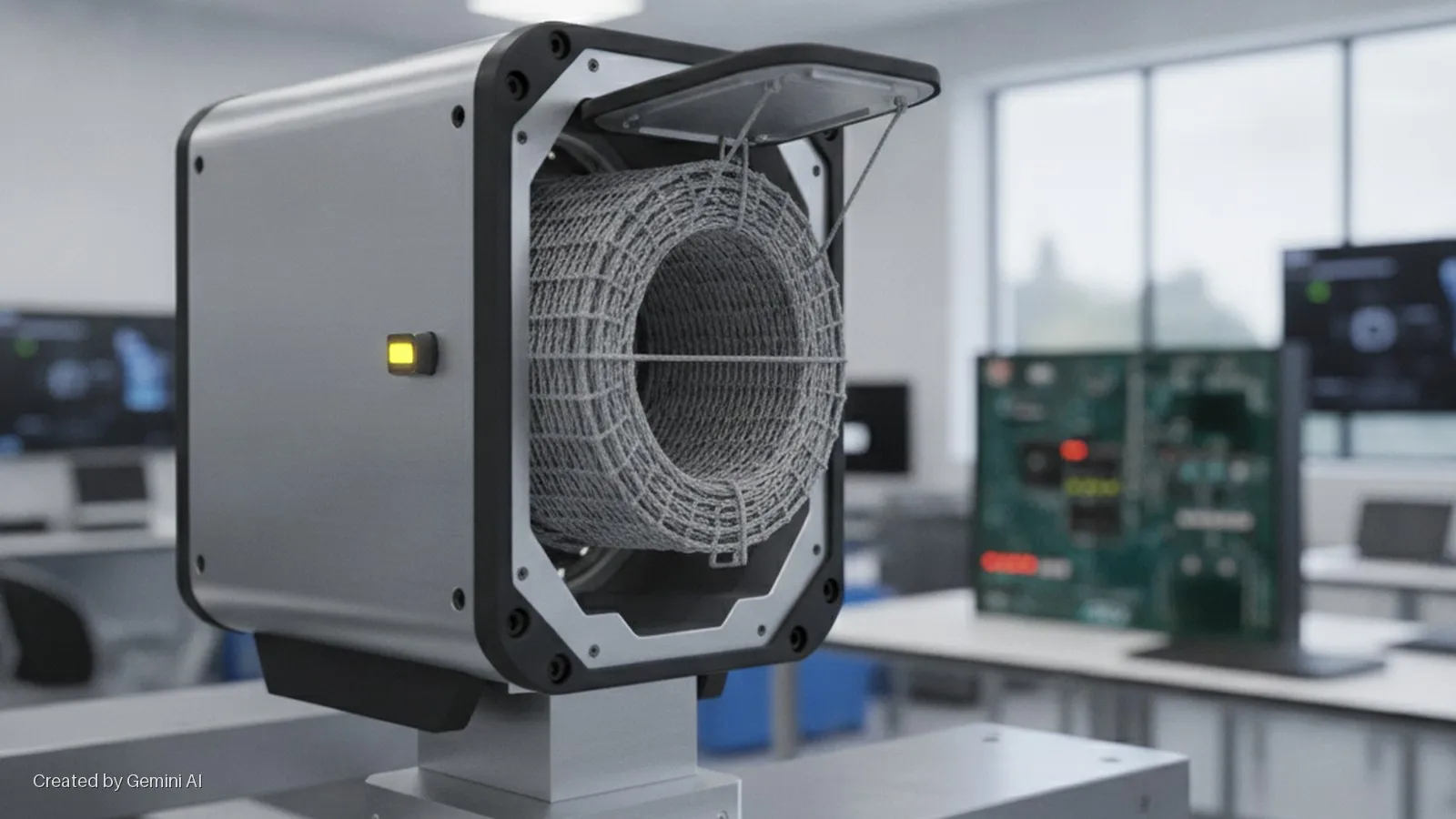
ParaZero Technologies, the Nasdaq-listed Israeli aerospace defence firm, is pushing its DefendAir counter-drone platform into an accelerated development cycle, positioning it as an active-protection alternative to passive armour for military vehicles and high-value battlefield assets. The move arrives as first-person-view (FPV) attack drones have become the defining tactical weapon of modern conflict, with per-unit costs that can be measured in hundreds of dollars yet capable of disabling vehicles worth millions.
The company's central argument is economic as much as it is technical: traditional reactive armour and "cope cages" welded onto armoured vehicles impose weight penalties and offer diminishing returns against the speed and manoeuvrability of modern FPV kamikaze drones. ParaZero says DefendAir flips the calculus by using autonomous, sensor-driven net-based interception to neutralise threats before impact, without explosive countermeasures and without adding prohibitive weight to the platform.
The asymmetric economics of FPV defence
The asymmetry at the heart of modern drone warfare is stark. FPV drones assembled from commercial components can be produced for a fraction of the cost of a single Javelin missile or the armour package on an infantry fighting vehicle. That cost gap has made high-volume attrition tactics viable at scale, and it has exposed a structural weakness in defence procurement cycles that were built around peer-adversary platforms rather than commodity aerial threats. ParaZero's pitch to "Tier-1 defence innovators" is that a scalable, retrofittable active-protection layer represents a more capital-efficient response than either passive armour upgrades or expensive interceptor munitions.
CEO Ariel Alon frames the argument in operational terms: "The race to defend against FPV drones cannot be won with steel and mesh alone. Modern warfare requires agility, speed, and precision. By deploying DefendAir as an active protection layer, we provide defence forces with a reliable, non-explosive solution that bridges the gap between traditional armour and the next generation of aerial threats."
The platform is designed to be retrofitted to existing armoured vehicles, which is a meaningful procurement advantage: it removes the need to wait for next-generation platform cycles and allows allied forces already fielding ageing fleets to upgrade incrementally. ParaZero says detection and neutralisation are near-instantaneous and remove the human-reaction bottleneck in high-tempo engagements.
Convergence of commercial drone tech and defence procurement
The broader strategic context here extends well beyond a single product announcement. The rapid proliferation of FPV drone threats has been enabled by the same commercial supply chain that powers consumer drones: off-the-shelf flight controllers, lithium-polymer batteries, and low-cost video transmission modules. That means the defence sector is now competing against a threat vector that scales at the pace of consumer electronics, not traditional weapons development.
This is reshaping how defence ministries allocate procurement budgets. NATO member states and partner nations are increasingly evaluating counter-UAS (unmanned aerial systems) solutions not as a niche capability but as a baseline force-protection requirement, on par with electronic warfare. The counter-drone market has attracted capital from defence primes, venture-backed startups, and sovereign procurement programmes simultaneously, compressing development timelines and raising the bar for field-ready certification.
ParaZero's positioning as a retrofit, non-explosive solution is also relevant to urban and critical-infrastructure protection, not just conventional battlefields. Airports, energy facilities, and government sites face analogous FPV threat profiles, and procurement cycles for those environments tend to be faster than military acquisition. Whether DefendAir can navigate dual-use certification across both channels will be a material question for investors watching the company's Nasdaq-listed equity.
The company has not disclosed the identities of its Tier-1 defence partners, nor provided a timeline for first contracts or revenue milestones, which limits independent verification of the commercial pipeline at this stage.