
CSG and FNSS launch Karpat medium tank to serve Europe's rearmament
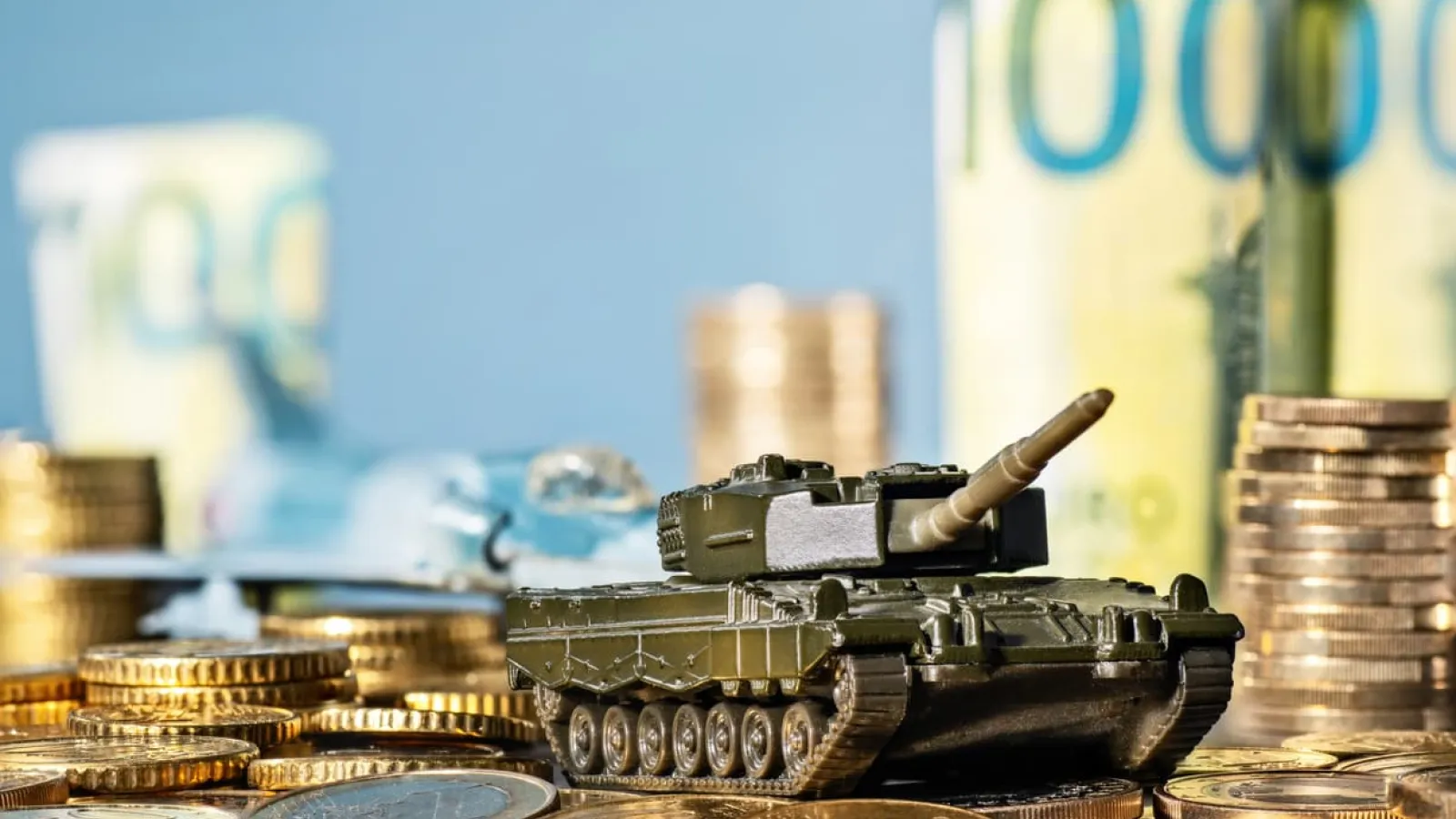
Slovakia's CSG group and Turkish armoured-vehicle specialist FNSS Savunma Sistemleri have announced a strategic industrial cooperation at the IDEB 2026 defence exhibition in Bratislava, simultaneously unveiling the CFL-120 Karpat — a medium tank that the two companies say is positioned to serve armed forces seeking main-battle-tank firepower at lower weight and cost. The vehicle, which incorporates Leonardo's HITFACT® MkII 120 mm turret, represents a three-nation supply chain spanning Slovakia, Turkey, and Italy, assembled for a European and global export market that is, by most metrics, expanding rapidly.
The Karpat's specifications are designed to exploit a strategic gap that several European and non-European armies are actively trying to fill. Weighing up to 34 tonnes — substantially lighter than a conventional main battle tank — and capable of 70 km/h on road with a 450 km range, the platform combines mobility with a 120 mm cannon compatible with NATO-standard ammunition. Ammunition is stored outside the crew compartment, a design choice the companies say improves survivability. An active protection system effective against drones, guided missiles and anti-armour projectiles can be integrated, as can battle management and laser-warning systems suited to networked operations. The vehicle is based on FNSS's Kaplan MT platform, which is already in service with the Indonesian Army.
A Cross-Border Industrial Architecture for Rearmament
The commercial logic behind the cooperation is as much about industrial base resilience as it is about the vehicle itself. CSG's manufacturing footprint in Slovakia provides EU-origin production credentials — relevant for NATO members procuring under national or collective defence frameworks — while FNSS contributes the tracked-vehicle engineering heritage developed over decades in Turkey. Jan Marinov, CEO of CSG Defence, said the arrangement aims to "offer modern and competitive vehicles for customers in Europe and other regions while further developing CSG's industrial capabilities in the field of combat vehicles." Selim Başbaş, CEO of FNSS, pointed to the importance of "resilient industrial partnerships" in meeting modern battlefield requirements.
The initial phase of cooperation focuses on the Karpat, but both sides have left the door open to expanding the scope to additional armoured platforms. The framework also envisages technology transfer and the integration of Slovak sub-suppliers — a model that aligns with how European governments are increasingly structuring defence procurement: favouring domestic or allied-nation industrial participation as a condition of contract.
The Macro Bet: Europe's Rearmament Cycle as a Capital Event
The Karpat's launch sits inside a structural shift in European defence spending that is now large enough to register as a macroeconomic event in its own right. NATO member states are under sustained political pressure to reach — and in some cases exceed — the two-percent-of-GDP defence expenditure benchmark, and several Central and Eastern European nations are accelerating land-forces modernisation programmes specifically. For smaller or mid-tier armies that cannot sustain the acquisition and through-life costs of a full main battle tank fleet, a medium platform offering comparable direct-fire capability at lower logistical burden represents a credible procurement option.
Beyond Europe, the companies identify Asia, the Middle East, and Africa as potential markets — geographies where terrain conditions, budget constraints, and operational doctrine often favour lighter, higher-mobility armour over the heaviest Western platforms. The Kaplan MT's existing service record in Indonesia gives the Karpat lineage a verifiable export reference, which matters in competitive procurement contests.
For cross-sector investors tracking the European defence industrial build-out, the partnership model here is instructive. It is not a single-nation acquisition programme but a privately structured, multi-country production arrangement designed to capture demand across multiple customer sets. That model — light on sovereign underwriting, heavy on industrial agility — is increasingly how mid-tier defence manufacturers are positioning themselves as NATO rearmament capital flows outward from the largest primes to the second tier. The question for procurement officers and investors alike is whether European armies will move fast enough to make the medium-tank category a volume business before the next generation of unmanned ground systems begins to redefine the armoured role entirely.