
Nayax adds AI layer to vending management app MoMa
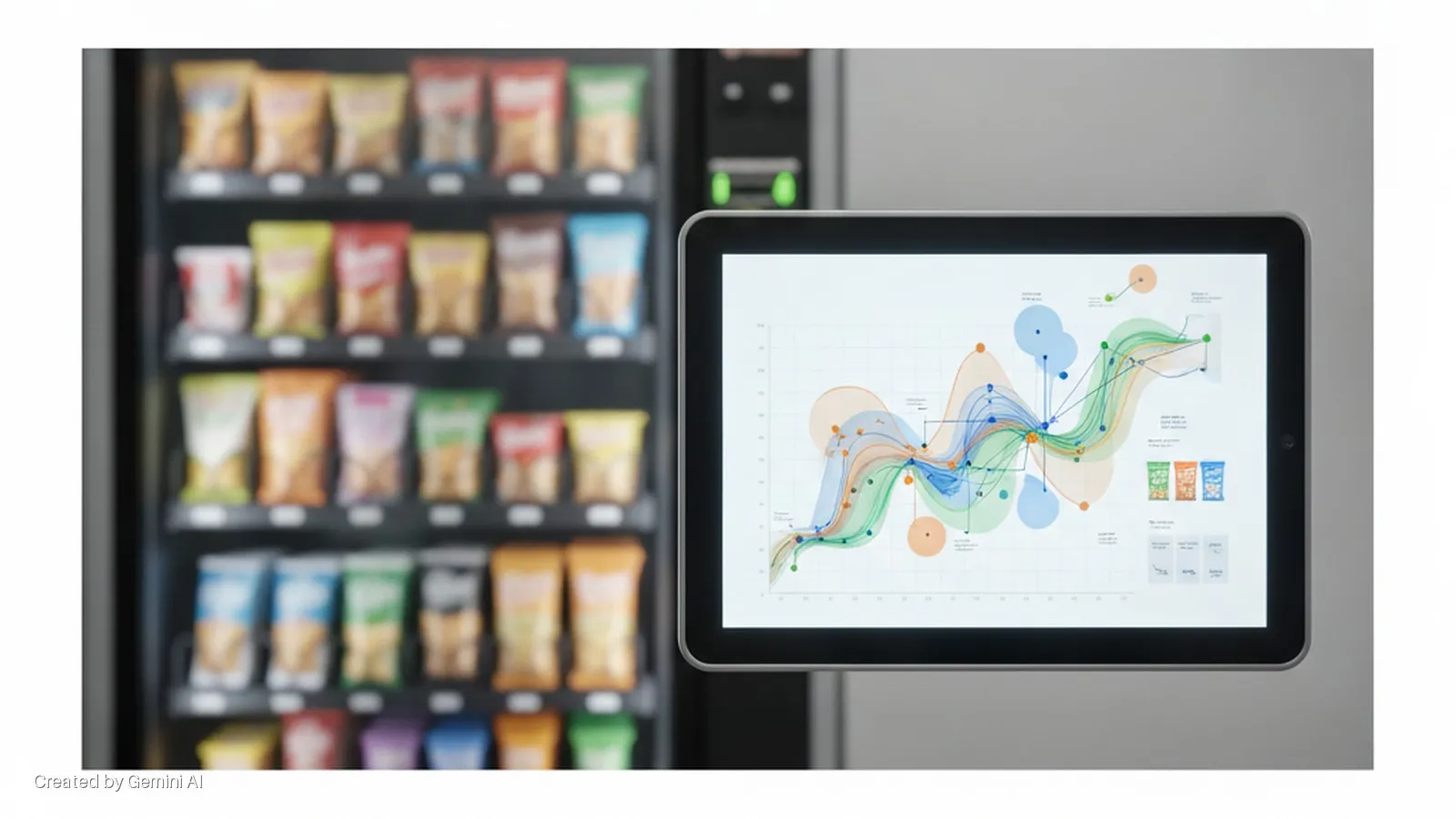
Nayax, the Israel-headquartered commerce enablement and payments platform, has embedded a new artificial intelligence layer into MoMa, its mobile management application for unattended and self-service retail operators. The update brings plain-language querying, AI-generated planogram recommendations, and image-based shelf mapping to a sector that has historically lagged behind staffed retail in its adoption of data-driven decision tools.
The announcement positions Nayax at the intersection of two converging pressures in physical retail: the ongoing labour squeeze pushing operators to run leaner route structures, and the broader roll-out of AI-assisted operational tooling from the enterprise tier down into small and mid-sized businesses. Unattended retail, which spans vending machines, self-service kiosks, and micro-markets, has always generated granular transaction data. The persistent challenge has been converting that data into timely action without a back-office analyst or an on-site team.
What the AI layer actually does
The centrepiece of the update is the MoMa AI Assistant, which allows operators to query their own fleet data in natural language. Rather than constructing custom reports, an operator can ask which machines are underperforming or why revenue fell at a specific location and receive a synthesised answer drawn from live sales, inventory, and machine-status feeds.
Planogram AI Suggestions goes a step further by recommending product-mix and slot changes at the machine level, drawing on historical sales velocity to flag which items no longer justify their position. A complementary demand-based picklist feature adjusts restocking priorities dynamically, in theory reducing unnecessary site visits and the associated fuel and labour costs.
Visual Recognition, the third pillar of the update, allows an operator to photograph a machine's current layout and have MoMa reconstruct the planogram automatically. Nayax says the process runs up to five times faster than manual mapping, a claim that carries weight in a segment where planogram entry is often done sporadically and inconsistently, degrading the quality of inventory analytics downstream. Joshua Lloyd, a UK-based Nayax customer managing more than 200 machines under the JDJ Vending Services brand, said the platform gives him operational oversight without constant physical presence.
The wider convergence read
For cross-sector observers, the more significant signal here is not the feature set itself but where it sits in the retail technology stack. The same pattern of AI-assisted operational intelligence that has been reshaping e-commerce fulfilment centres and staffed grocery chains over the past two years is now reaching the fragmented, owner-operated end of physical retail. Nayax serves over 80 merchant acquirers and payment integrations across 13 offices globally, giving it a distribution footprint that extends well beyond what a pure software vendor could reach. That combination of payments infrastructure and operational software is increasingly the template for retail tech platforms seeking to deepen their value proposition and defend against margin compression.
The broader capital landscape in retail AI reflects the same dynamic. Investor appetite for software that improves unit economics in physical retail without requiring significant capital expenditure has been durable through the recent fintech funding correction. Platforms that own both the payment flow and the management layer are particularly well placed to monetise AI features through usage-based pricing or tiered subscription models, a structural advantage over point-solution providers. For operators already running Nayax hardware, switching costs are high, which makes the AI layer a retention and upsell mechanism as much as a product innovation.
The second-order implication reaches into the logistics and supply-chain tier. Smarter demand signals from unattended retail fleets, aggregated at scale, could eventually feed upstream into FMCG (fast-moving consumer goods) distribution planning, creating a data loop between the machine at the end of the supply chain and the warehouse at its origin. Nayax has not announced any wholesale data-partnership strategy, but the infrastructure to support one is now materially more coherent.