
BiomX subsidiary DFSL to debut LADAR counter-drone tech at ISC 2026
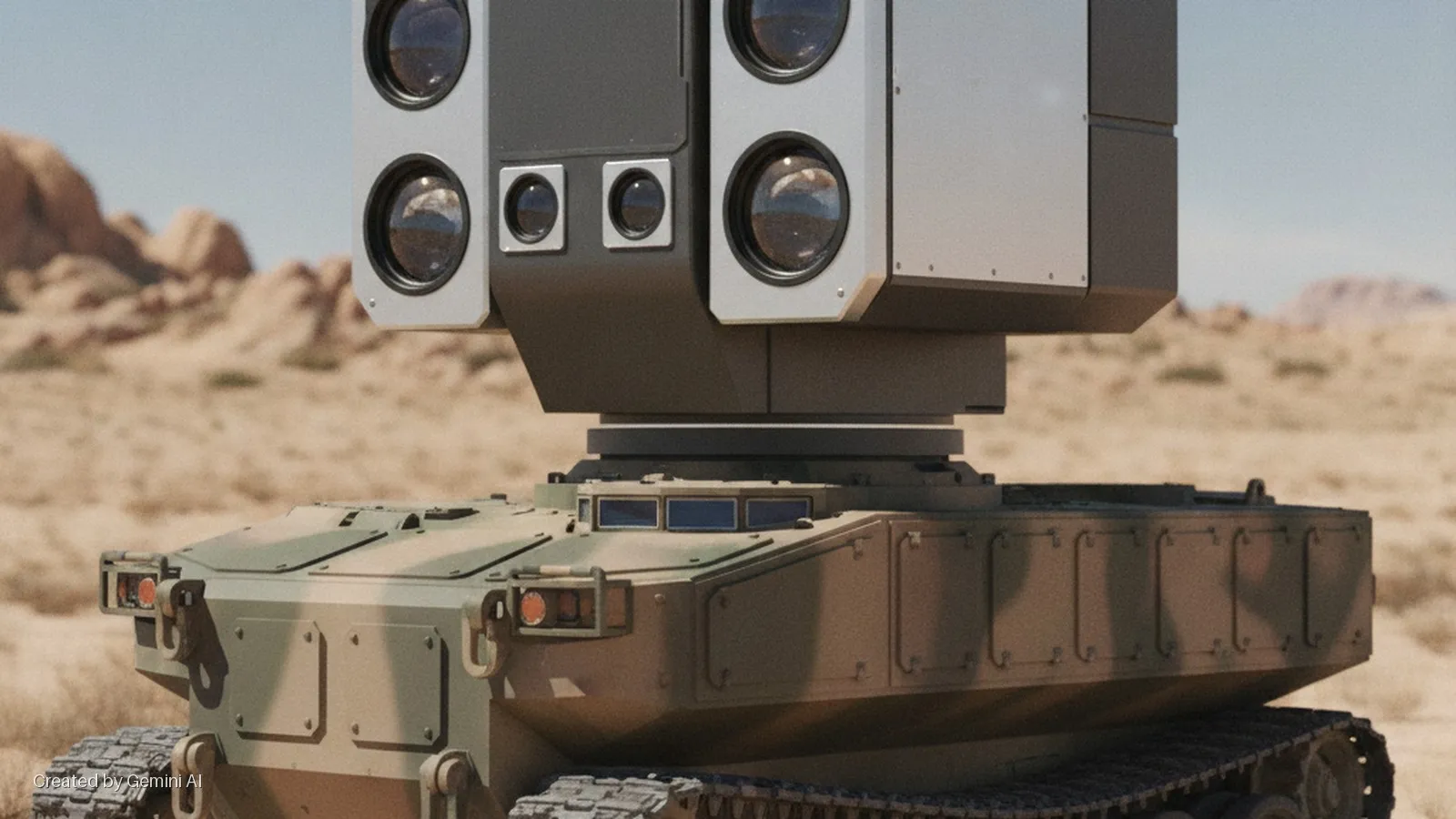
BiomX Inc., a NYSE-listed holding company pivoting into physical-threat detection, has announced that its majority-owned subsidiary DFSL Ltd. will exhibit laser radar (LADAR) counter-drone and perimeter security systems at ISC 2026. The showcase positions DFSL's battlefield-tested platform in front of an international buyer community at precisely the moment government procurement budgets for counter-unmanned aerial systems (counter-UAS) are accelerating across NATO member states, the Gulf, and sub-Saharan Africa.
DFSL's core technology is a proprietary LADAR platform augmented by on-sensor AI algorithms, machine-learning inference running directly on the detector hardware rather than in a remote server, that performs real-time detection, classification, and tracking of UAVs and ground intruders. The company claims approximately 99% detection accuracy in operational environments, a figure it attributes to a design philosophy centred on minimising false positives, the persistent weak point of conventional radar and electro-optical systems. The technology has been deployed across Israel, parts of Africa, and major US transportation infrastructure, backed by patents and grant support from the Israel Innovation Authority and EU research programmes.
From biotech ticker to defence-tech portfolio
BiomX's corporate backstory adds an unusual layer of strategic context. The company originally traded as a phage-therapy biotech under the ticker PHGE, pursuing bacteriophage treatments for chronic bacterial infections. That scientific identity appears to have been substantially deprioritised as management has reoriented the balance sheet toward physical-security acquisitions. BiomX now describes itself as "focused on acquiring and further developing technologies that identify, track, and counter physical threats", a pivot that puts it in the same strategic territory as established defence-tech roll-ups rather than life-sciences peers. The ISC event serves, in part, to signal that repositioning to institutional audiences.
BiomX CEO Michael Oster framed the showcase as a demonstration of integration across the portfolio: "Together, these technologies create a powerful detect-analyse-respond chain that addresses the escalating drone threats facing defence forces, governments, and infrastructure operators worldwide." The portfolio also includes Zorronet, a wholly-owned subsidiary whose capabilities are not detailed in the announcement, positioned as part of the same detection and response chain.
Counter-UAS as a convergence investment thesis
The broader counter-drone market is attracting capital from directions that would have seemed unrelated five years ago. Defence primes, sovereign venture funds, and infrastructure operators are all building or buying UAS-detection capability as commercial drone proliferation outpaces legacy air-defence assumptions. The threat is no longer purely military: attacks on energy infrastructure, border crossings, and transport nodes using low-cost commercial UAVs have reframed counter-drone technology as critical-infrastructure spend, not exclusively defence procurement.
That convergence of threat vectors is opening new procurement channels. Infrastructure operators, airport authorities, grid operators, port authorities, are now buyers alongside traditional defence ministries, creating a dual-track commercial opportunity that companies like DFSL are structurally positioned to exploit. DFSL's deployment record across transportation infrastructure in the US is a deliberate signal to that buyer community. The on-sensor AI element also matters to infrastructure buyers: edge inference (processing on the device itself) reduces latency and removes dependence on cloud connectivity in electromagnetically contested or remote environments.
For cross-sector investors, BiomX's pivot raises pointed questions. The company's SEC filings reference a going-concern qualification and a risk of delisting from NYSE American, suggesting the defence-tech repositioning is as much a capital-structure exercise as a strategic one. Whether DFSL's operational deployments and patent portfolio can attract the institutional defence-procurement contracts needed to stabilise the parent company's balance sheet is the near-term test. ISC 2026 is the opening move in making that case to the market.