
Deel and Clarity on hiring fraud in the age of deepfakes
Deel, the global people platform, has acquired Clarity, an AI cybersecurity company that specialises in identity verification, deepfake detection and fraud prevention. The deal was announced on 3 August 2026 alongside Deel’s news that it had passed $1.5 billion in annual recurring revenue.
It is Deel’s fifteenth acquisition, and it is aimed at a problem that remote hiring has made harder to ignore: candidates who are not who they appear to be. In written answers to Disrupts, the two chief executives explained what the deal is for.
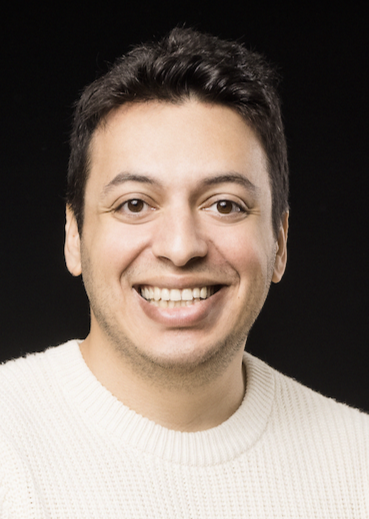
Deel co-founder and CEO Alex Bouaziz said the case for buying rather than building came down to people and speed. “Clarity brings to the table not only exceptional AI technology that solves these challenges, but an elite team of engineers and scientists, specialised in identity fraud and security,” he said. “By acquiring a world-class AI team, we’re bringing that deep expertise to Deel in the fastest way possible.”
Co-founder & CEO,
Deel
The revenue milestone set the timing. “Surpassing $1.5 billion in ARR has given us the financial strength to invest now,” Bouaziz said. “With fraudsters becoming more calculated in their techniques, we need to be ahead of the curve in an area where generative AI is rapidly escalating.” Deel did not disclose the price; the Israeli business daily Calcalist reported it at between $40 million and $50 million.
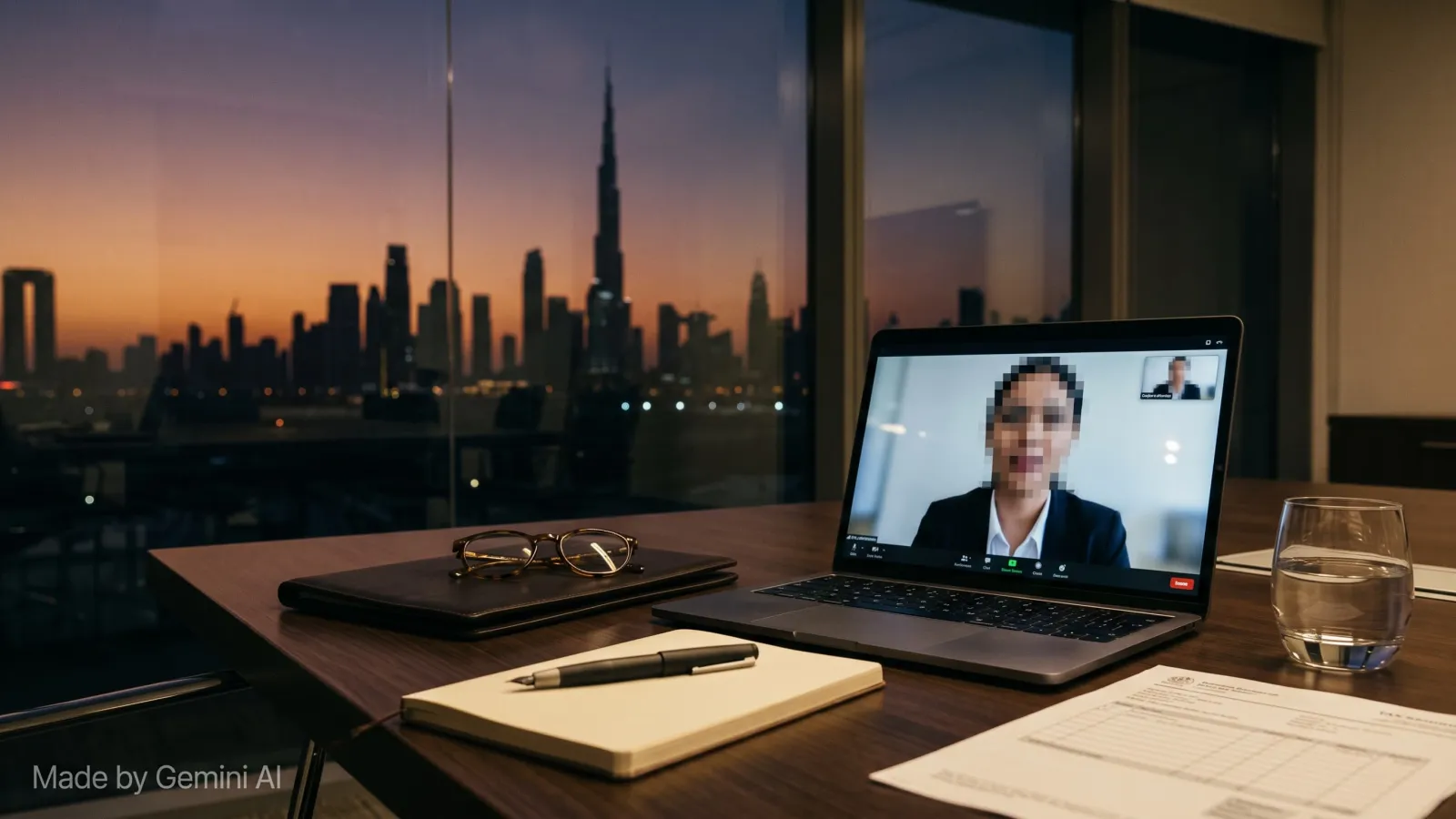
The problem Bouaziz describes is that most hiring checks were built to confirm a person’s identity once, at the point of hire. “It's like a bouncer at a club door: they check a person's ID exactly once before letting them inside,” he said. Fraudsters can now use real-time deepfakes and AI-generated responses to pass as strong candidates in virtual interviews, presenting a stolen identity, a synthetic one, or a candidate who is generated entirely by AI.
“Once that candidate is hired, the fraudster can then take the company laptop and network passwords, hand them over to an unauthorised organisation, and access sensitive company data,” Bouaziz said. “This ‘AI candidate’ is the mask used to steal from corporations, and it isn't theoretical.” He said hundreds of companies had already been tricked by such schemes, and that Deel, as a remote-first company, recognised that fraudsters were taking advantage of remote work models.
The pattern is one US authorities have warned about for several years, most prominently in schemes in which North Korean IT workers used stolen or fabricated identities to secure remote jobs at Western companies.
For Michael Matias, co-founder and CEO of Clarity, the change has been in quality as much as volume. “What was once easy to spot is now becoming impossible to detect with the human eye, particularly with the rise of voice cloning and deepfakes,” he said. The point of greatest concern for hiring leaders is the interview itself. “Someone can appear on video looking and sounding legitimate, while AI helps generate responses in real time in an attempt to fool recruiters.”
Matias does not argue for pulling back from remote hiring. “Organisations should retain the flexibility to hire globally and remotely, but instead of approaches designed before these technologies existed, they need verification tools that are built for an AI-driven world,” he said.
Deel’s plan is to build Clarity’s technology into a single trust layer across the workforce lifecycle, rather than keeping identity verification and IT security in separate silos. “In practice, that means the identity verified during the hiring process doesn't stop at onboarding,” Bouaziz said. “It becomes the foundation for everything that follows, from device provisioning and system access to ongoing security monitoring.” The first thing customers should notice, he said, is simplicity: fewer separate vendors for identity checks, IT and workforce security.
Continuous verification of staff raises an obvious privacy question. In the UK, the Information Commissioner’s Office guidance on monitoring workers expects any monitoring to be necessary, proportionate and transparent to the people affected. Matias said Clarity’s technology is “strictly focused on verifying identity and detecting malicious activity or fraud attempts”. “By proving that everyone on the network is who they say they are, we protect the company's data and network without crossing the line into the daily personal privacy of the employees,” he said.
Bouaziz expects the question to widen as AI agents take on work alongside people. “Trust needs to be continuous, with clear visibility into who, or what, is accessing company systems and sensitive data,” he said. His advice to global employers is to “start auditing how identity verification works end-to-end in their organisation today, and then extend that protection continuously across employment”.
The Clarity transaction has closed and Clarity’s team has joined Deel, which says its platform is used by more than 40,000 businesses across more than 150 countries.