
Yes& acquires Modo Modo in third B2B agency buy in 18 months
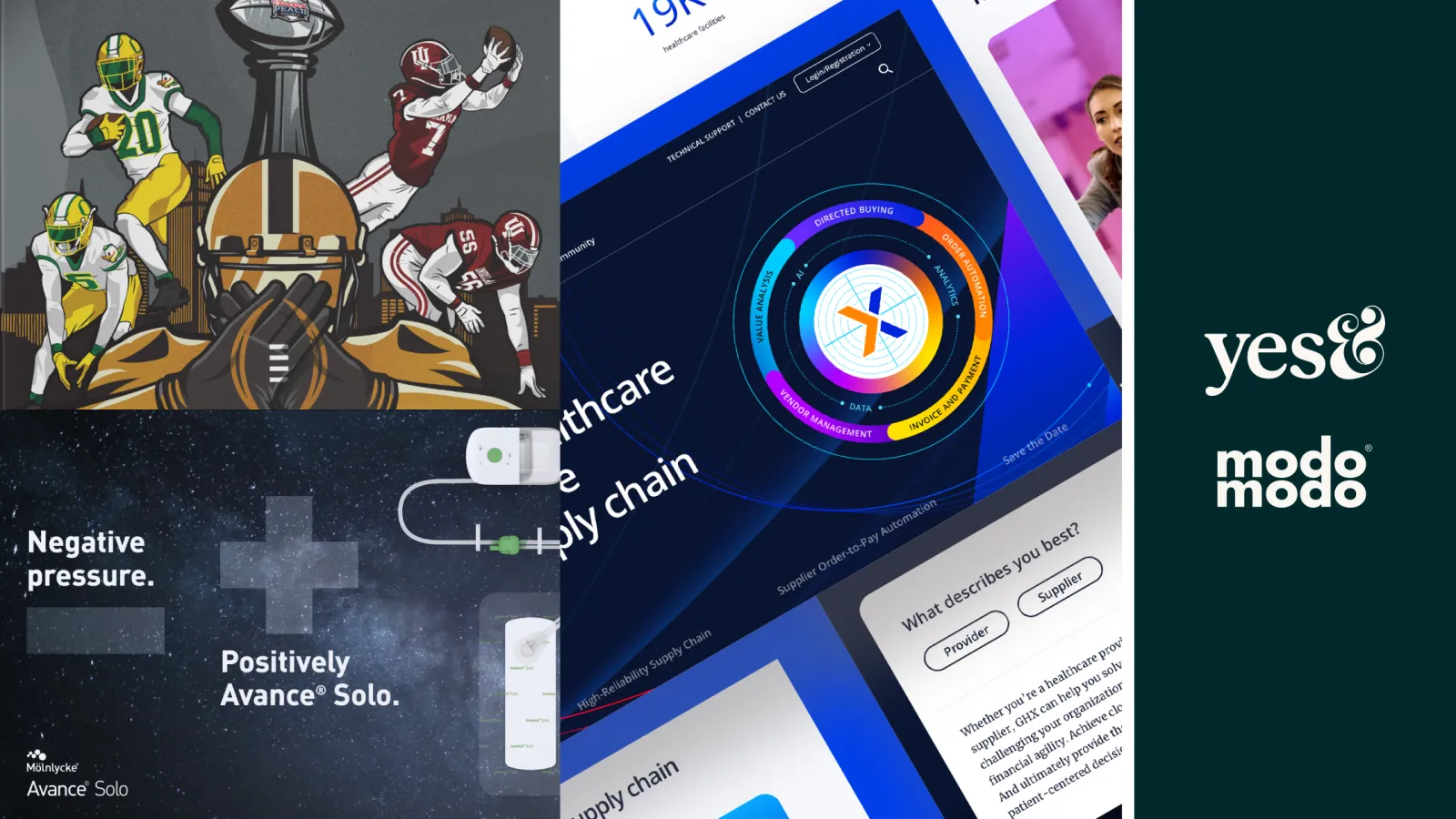
Yes&, a Washington DC-headquartered independent creative agency, has acquired Modo Modo, an Atlanta-based B2B specialist with nearly two decades of experience in regulated and technically complex industries. The deal marks Yes&'s third B2B acquisition in 18 months, following the additions of Beacon Digital Marketing in 2025 and Symmetri Marketing Group earlier in 2026, and forms part of a broader regional roll-up strategy centred on Atlanta and the US Southeast.
Modo Modo was founded in 2007 by Moira Vetter and has built a client roster that includes Equifax, Fiserv, Northside Hospital, Cox Enterprises and Georgia Tech. Those names span financial data infrastructure, payments processing, healthcare and higher education. Vetter will continue in a leadership role at Yes&, heading the agency's investment in the B2B segment. Yes& chairman Jeb Brown described Modo Modo as a diversification of the agency's portfolio and a deepening of its Atlanta footprint.
A roll-up play in a consolidating market
The acquisition joins a wider pattern of mid-market agency consolidation in the US, driven by enterprise clients demanding integrated, omnichannel capability rather than point solutions. Yes& has now made five acquisitions in the Atlanta area, including Metaleap Creative and Hothouse, adding brand systems, design, hospitality and consumer marketing alongside the B2B and enterprise stack. Taken together, the acquisitions position Yes& as a multi-capability holding-group challenger, assembling regional depth in a city that has become a significant hub for financial services technology, healthcare and media.
"We're joining Yes&, and leading growth in the B2B segment, at a time when global brands need to place smarter, more agile bets with their agency partners," said Vetter.
The convergence angle: B2B marketing meets regulated-industry complexity
The strategic logic here runs deeper than geography. As AI-generated content floods generic marketing channels, the premium in B2B services is shifting towards agencies that can communicate across the boundary between technical complexity and commercial narrative. Modo Modo's sectoral focus, covering fintech, healthcare, manufacturing and enterprise technology, places it precisely at that intersection. Clients operating in regulated industries require marketing partners who understand compliance constraints, procurement cycles and the language of specialist buyers, capabilities that are increasingly difficult to separate from data, automation and digital experience platforms.
For Yes&, the Modo Modo deal extends its reach into sectors where marketing budgets are growing fastest. Enterprise technology and fintech marketing spend continues to expand as vendor competition intensifies, particularly in areas such as payments infrastructure, health data and cloud services. Yes& CEO Zihla Salinas noted that Modo Modo's experience across healthcare, manufacturing, fintech and enterprise marketing adds depth to the agency's ability to support clients in fast-changing industries.
From a capital perspective, the roll-up model Yes& is executing is one that private equity has dominated in the agency sector for the better part of a decade. Independent agencies pursuing the same consolidation playbook face a challenging valuation environment as larger holding groups, and PE-backed challengers compete for the same talent and client relationships. Yes&'s approach, maintaining independent status while building scale through targeted acquisitions, represents a bet that regional depth and sector specialisation can sustain competitive differentiation without the overhead of a global network.
The broader implication for cross-sector observers is that the agency services market is itself undergoing the kind of convergence visible in other industries. Marketing, technology and regulated-industry compliance are collapsing into a single service layer. The agencies that survive at scale will increasingly resemble technology-enabled consultancies as much as creative studios, and the race to acquire that hybrid capability before AI commoditises the purely creative component is already well underway.