
Applied Atomics licenses mPower SMR to power AI data centres
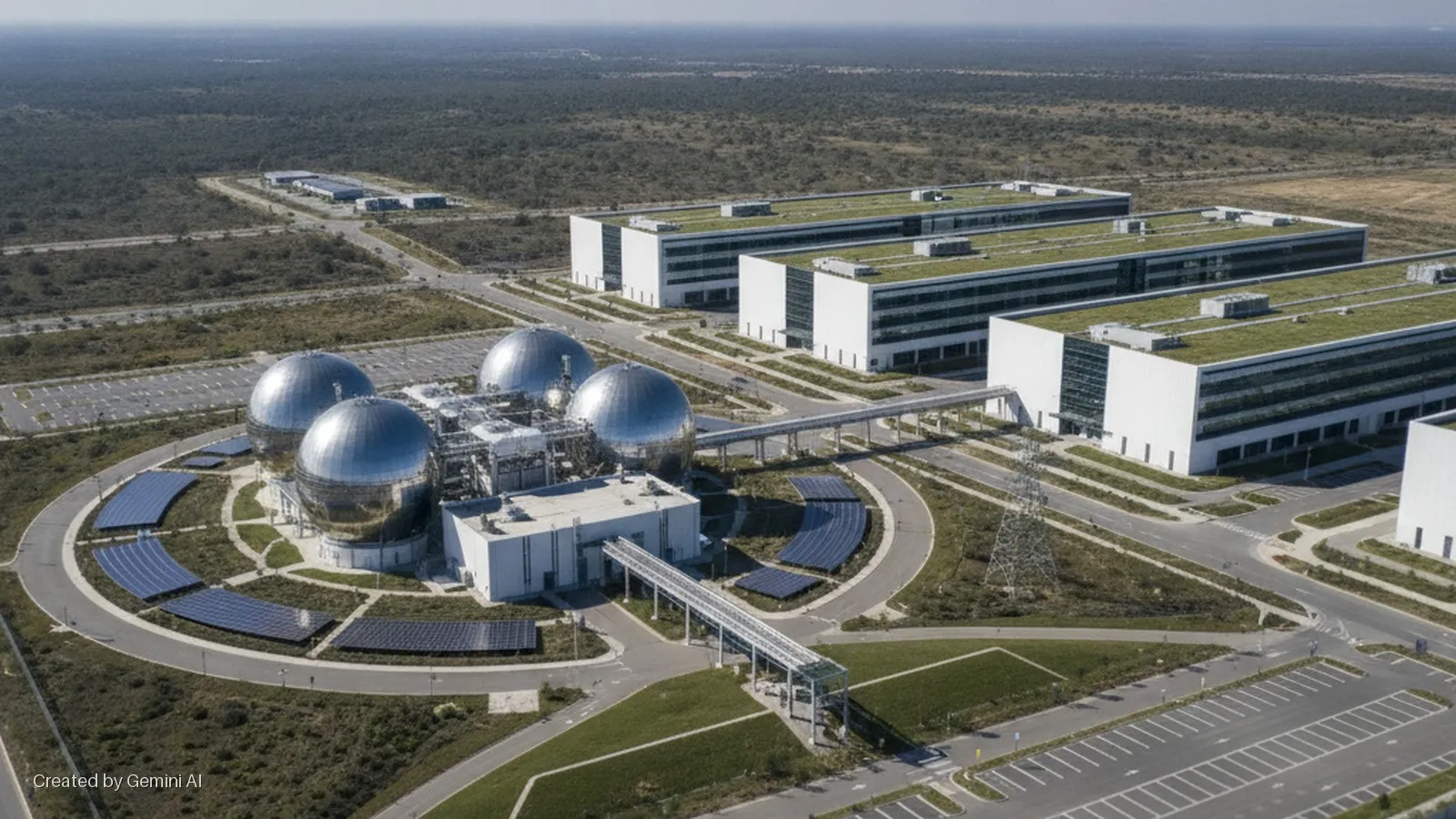
Applied Atomics, a nuclear energy company headquartered in Anchorage, Alaska, has secured an exclusive land-based licence for BWX Technologies' mPower small modular reactor (SMR) design, positioning the technology directly at the intersection of nuclear energy, digital infrastructure and industrial decarbonisation. The deal hands Applied Atomics commercial deployment rights across the United States, Canada and wider international markets, while BWXT retains IP ownership, manufacturing exclusivity and royalty rights on all mPower components.
The timing is pointed. US electricity demand is forecast to grow at its fastest rate in a generation, with data centre construction alone expected to require more than 300 gigawatts of new capacity by 2035, according to industry analysts cited in the announcement. Applied Atomics has named technology and industrial customers as its primary initial market, describing the mPower design's modularity and site flexibility as suited to behind-the-meter and campus-scale deployments, the kind of dedicated power supply that hyperscalers and large-language-model infrastructure operators are actively seeking.
The reactor and why it was shelved
The mPower design is an integral pressurised light water reactor, factory-built and transportable by conventional freight. Rated at 195 megawatts of electrical output and 575 megawatts-thermal of heat per unit, it uses standard low-enriched uranium fuel and is engineered for a refuelling cycle of at least two years. Its integrated steam generator eliminates the external primary coolant pipework found in conventional plants, removing what the company describes as a key failure mode: the loss-of-coolant accident that has historically shaped nuclear safety regulation.
BWXT halted the mPower programme in 2014 and formally suspended it in 2017, citing insufficient utility offtake commitments at the time. It preserved the engineering archive and test facilities throughout. Applied Atomics CEO Benjamin Kellie framed the deal in explicitly commercial terms: "BWXT spent a decade working to design mPower. Our job is to complete its development then design and deploy the first optimised, vertically integrated SMR power plant." The company will re-engage the US Nuclear Regulatory Commission to resume design certification and begin site-specific engineering for initial deployments, contracting BWXT for ongoing technical support.
Convergence angle: compute demand is rewriting the nuclear investment case
The Applied Atomics move sits within a structural realignment that is arguably the most consequential energy-technology convergence of the decade. The insatiable power appetite of AI training clusters and inference infrastructure has transformed nuclear from a politically fraught legacy asset into a strategic procurement target. Microsoft's agreement with Constellation to restart Three Mile Island Unit 1, Google's power purchase agreement with Kairos Power for a fleet of SMRs, and Amazon's acquisition of a data centre campus co-located with a nuclear plant have each signalled that hyperscalers will underwrite firm, carbon-free baseload at a premium to grid prices.
That capital signal is reshaping the SMR competitive landscape. NuScale, once the frontrunner for US SMR commercialisation, cancelled its flagship Utah project in late 2023 after costs escalated. X-energy, Kairos and TerraPower are each advancing designs at different stages of NRC review, backed by a mixture of Department of Energy grants and private capital. Applied Atomics is entering a crowded field, but with a design that has a decade of engineering behind it and a manufacturing partner in BWXT with established nuclear production capability.
The geopolitical layer adds further urgency. Several allied nations, including Canada, Poland, and a cohort of Gulf states, are actively evaluating SMR imports as part of energy sovereignty strategies. Applied Atomics' licence covers deployments beyond North America, leaving open the prospect of export agreements that would bring it into competition with Russian ROSATOM and Chinese CNNC designs currently courting the same markets.
For capital allocators watching the AI infrastructure build-out, the strategic calculus is shifting: reliable baseload power is becoming a bottleneck asset. SMR licences, once niche clean-energy plays, are now proxy bets on where the next generation of compute clusters will be sited. Applied Atomics has not disclosed its funding position or a commercialisation timeline, but the NRC re-engagement process, when it begins, will set the public clock running.